PRECISION ALUMINIUM FORGING + CNC · SHENZHEN FACTORY · ISO 9001-ALIGNED
Forged aluminium parts manufacturer
— drawing to finished part
under one roof.
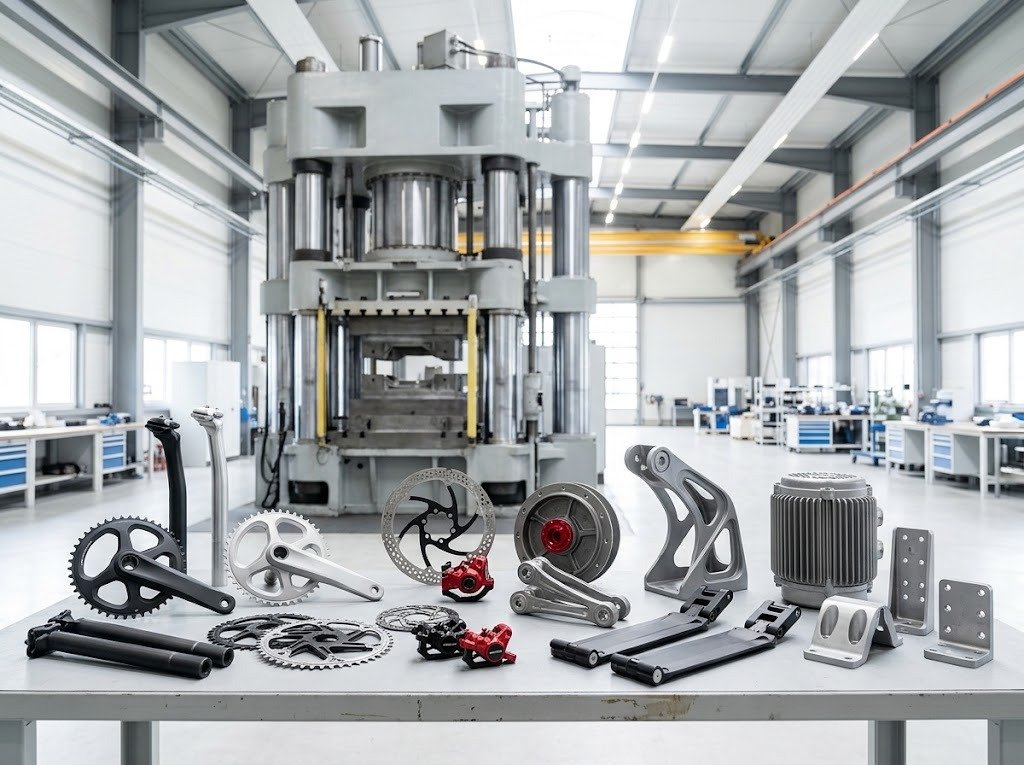
One factory, seven steps: tooling, hot / cold / liquid-die forging, CNC finishing and anodising. Bicycle, e-bike, motorcycle and industrial buyers get a DFM note and cost range in 3 working days — with 99% first-pass yield.
START WHERE YOU ARE
Three ways buyers work with us
I have a drawing
Send STEP / DWG / PDF. An engineer reviews forgeability, draft angles and tolerances — and you get a feasibility opinion with a cost range in 3 working days.
Request reviewI machine from solid
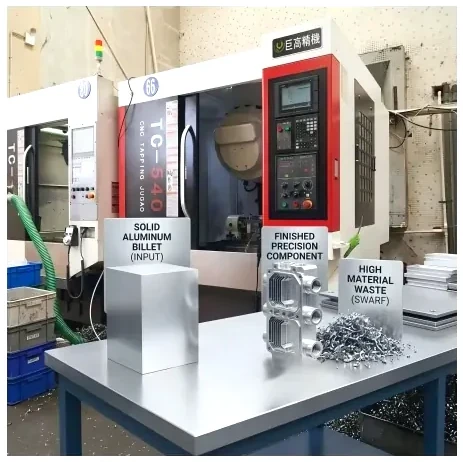
Rising CNC hours and material waste? See how near-net forging + finishing changes the cost curve at volume.
Conversion reviewI buy forgings today
Need a shop that also finishes? Forged blanks through CNC, anodising and assembly from one supplier.
CapabilitiesPRODUCT LINES
What we forge, machine and finish
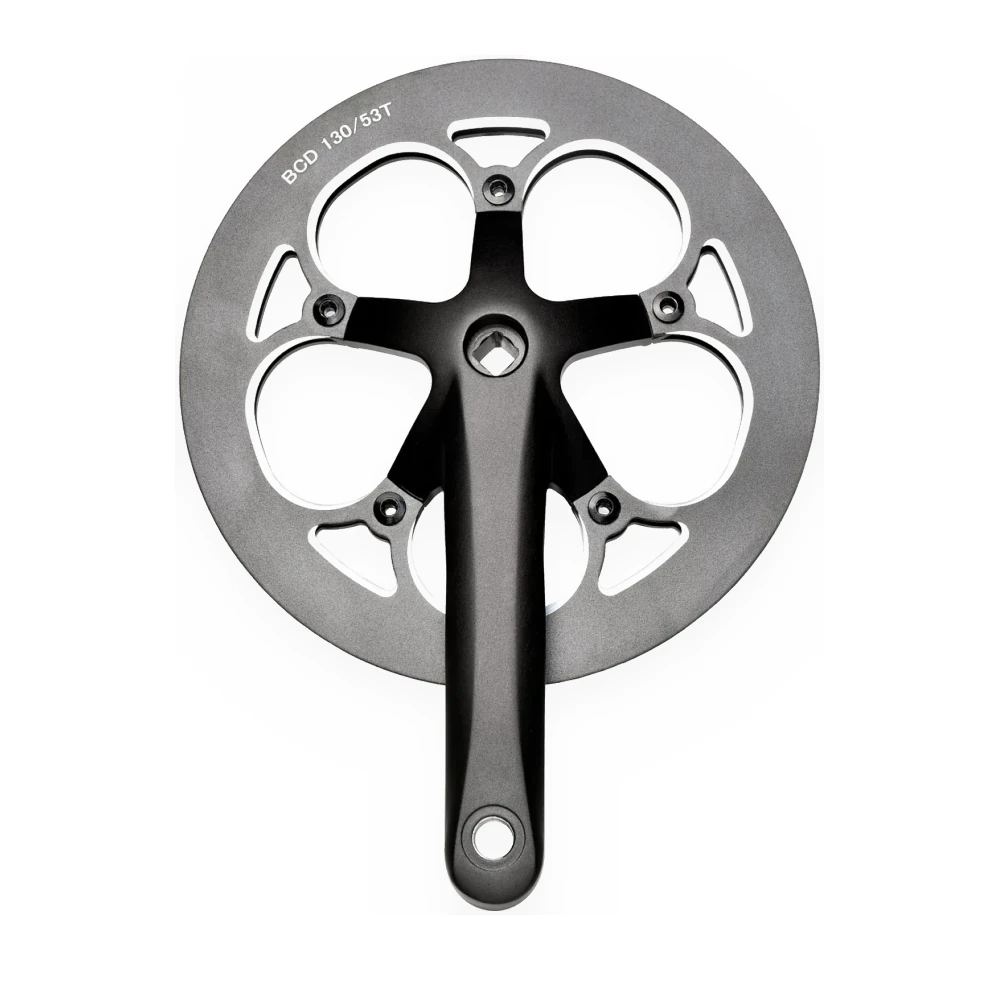
Forged cranksets
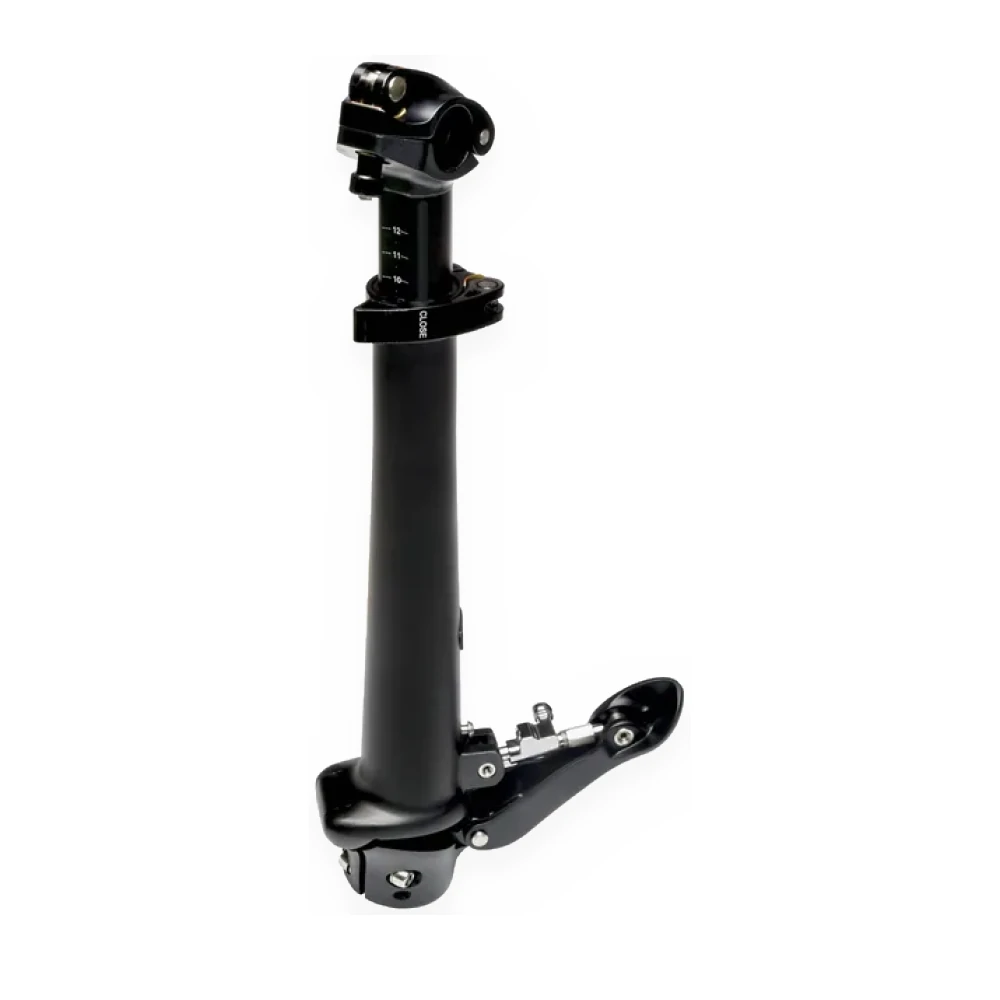
Seatposts & belt-drive cranks
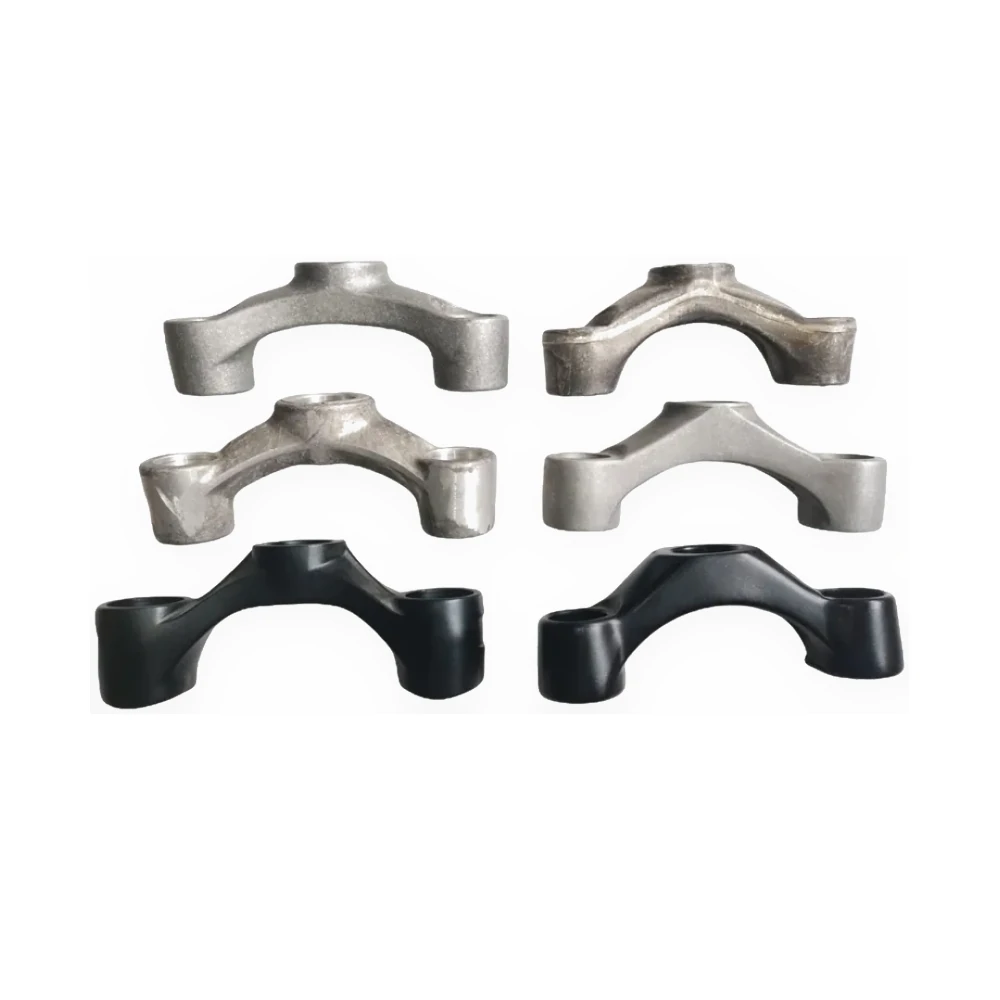
Inline skate frames
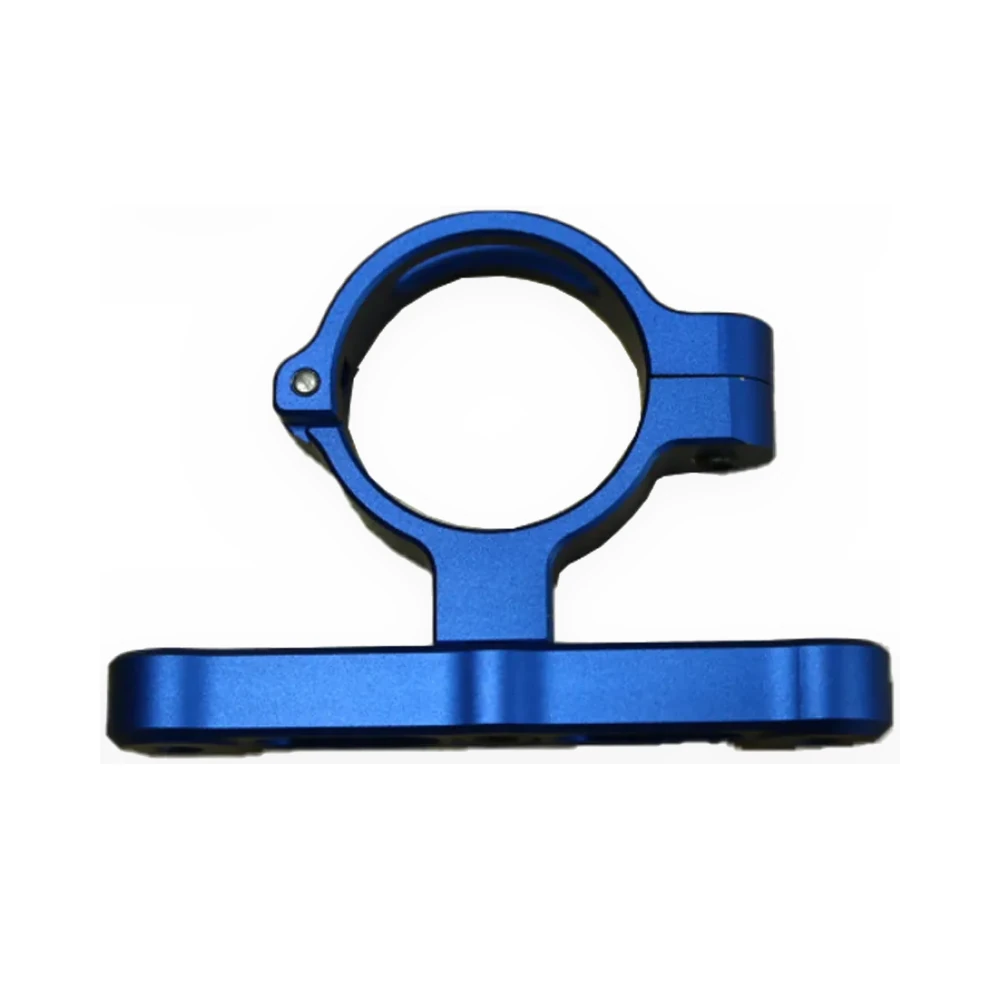
Custom forged parts
ONE FACILITY, SEVEN STEPS
From die design to anodised part — without leaving our floor
Most forging suppliers ship blanks and leave machining, finishing and the quality arguments to you. We keep the whole chain — and the responsibility — in one place.
- Tool design & DFMDie engineering on your drawing, IP stays in-house
- ForgingHot, cold and liquid-die presses 300–2500T
- Trimming & finishing prepFlash removal, deburr, clean
- CNC machiningMulti-axis finishing, Ra 0.8 (per-drawing review)
- Surface treatmentAnodising Type II/III, sandblast, powder, ED
- InspectionCMM, spectrometer, hardness — PPAP/FAI supported
- Pack & shipExport packing, global delivery
CAPACITY & EQUIPMENT
Everything the part needs, in one building
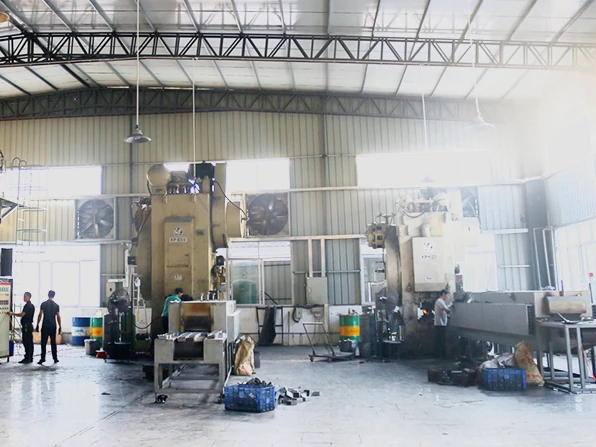
Six forging presses, two cold-forging machines, twelve CNC centers, an anodising line and a die shop under one roof — so lead times and quality are ours to control, not a chain of vendor promises.
Forging
- 6 presses, 300–2500T
- Hot · cold · liquid-die
- 2 cold-forging machines
CNC machining
- 12 machining centers
- 3 / 4 / 5-axis finishing
- Ra 0.8 surface capability
Tool & die shop
- Die design in-house
- Your IP never leaves
- Fast change cycles
Inspection
- CMM dimensional reports
- Spectrometer alloy check
- Hardness testing per batch
APPLICATIONS
Industries we forge for
Bicycle & e-bike
Cranksets, seatposts, belt-drive cranks, frameset hardware.
ExploreMotorcycle & powersports
Structural brackets, housings, brake and control components.
ExploreIndustrial structural
Brackets, mounts, machinery parts where casting porosity is unacceptable.
ExploreAdaptive & therapy bikes
Handbike clamps, steering joints, frame connectors built for safety.
ExploreInline skate & fitness
Self-locking skate frames, spin-bike and exercise-equipment parts.
ExploreRobotics & automation
Arm brackets, joint housings and end-effector structural parts.
ExploreMATERIALS
The right alloy for the load — not whatever is in the yard
We forge 6061, 6063, 6082 and 7075 as standard, with 2xxx and 5xxx grades on request. Alloy choice is driven by strength, weight, corrosion and finishing needs — and every batch ships with a mill certificate.
6061-T6
- The workhorse: strength, corrosion resistance, clean anodising
7075-T6
- High-load parts where strength-to-weight earns its cost
6063 / 6082
- Intricate profiles and welded assemblies
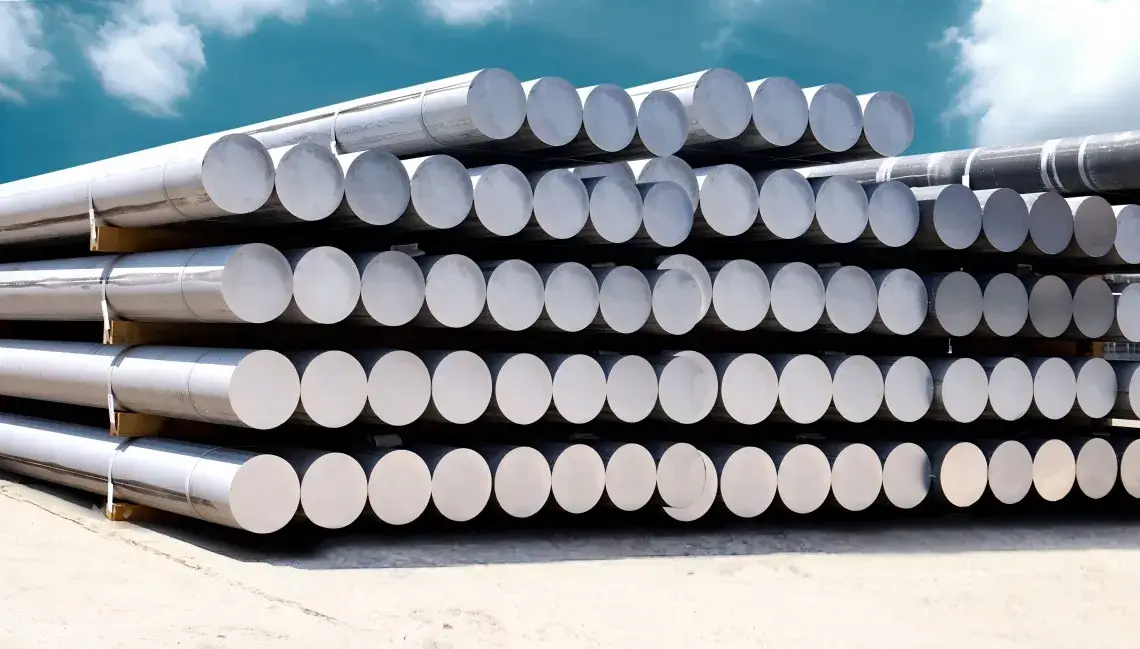
WHY XPF
Why buyers place programs with us
20+ yrs
Forging aluminium since 2005 — the learning curve is already paid for.
99%
First-pass yield on production programs, held by in-house dies and process control.
One roof
Die → forge → CNC → anodise → inspect → ship. No handoffs, no excuses.
OEM ready
PPAP & FAI documentation, NDA on request, tooling stays yours in-house.
CUSTOM PARTS
Don’t see your part? We forge to your drawing.
Structural aluminium parts across mobility and industrial equipment — typical families include:
fishing-reel parts · marine hardware · robotics arm brackets · power-tool housings · drone structural parts · scooter parts · motorcycle forged parts · spin bike parts · exercise bike frames · bicycle structural parts
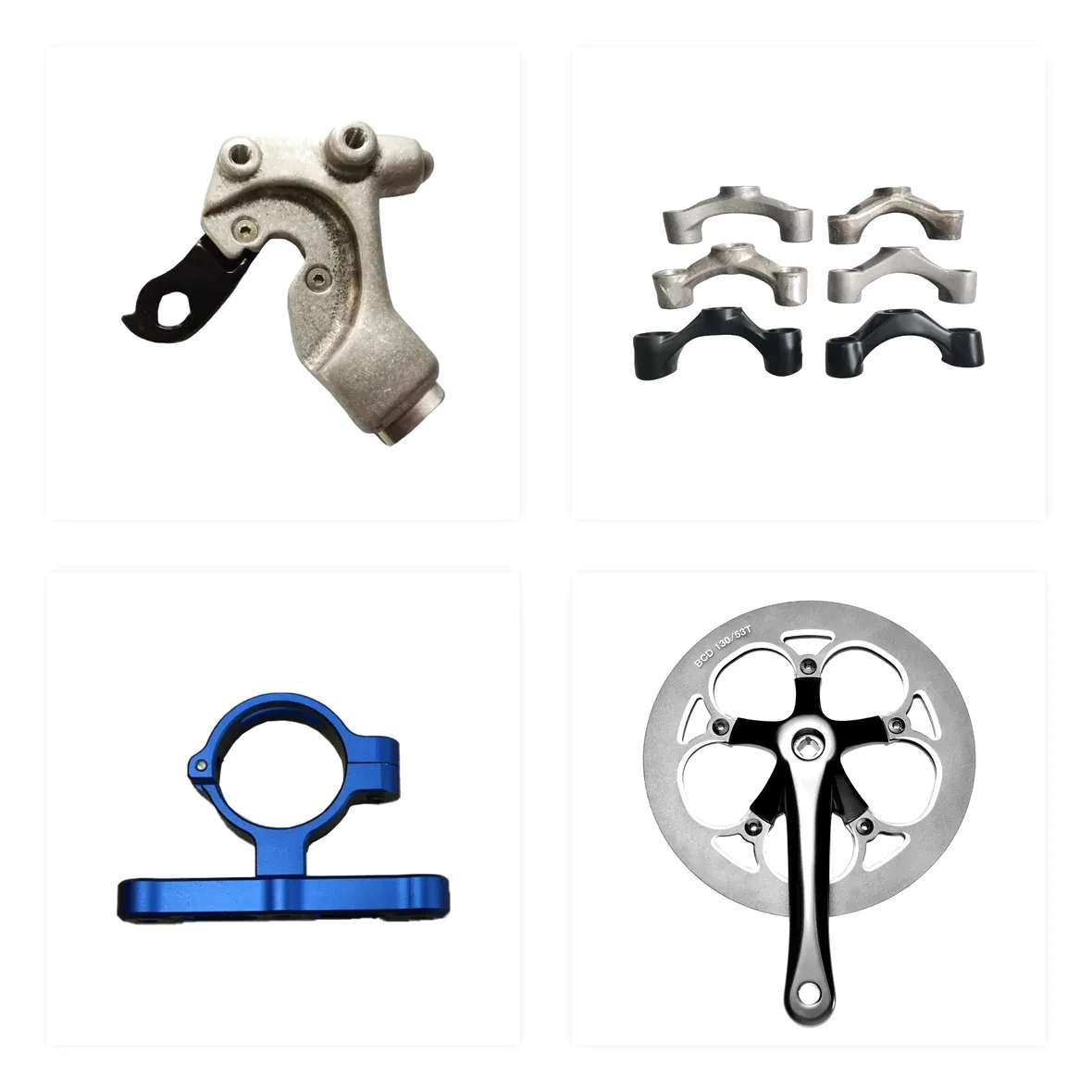
PROJECT SNAPSHOTS
Typical project profiles
Programs we run most often — described by engineering profile, not by client name.
6061-T6
Crankset OEM program
Forged crank arms and spider, CNC finished and sandblast anodised — near-net design keeps machining off the bulk and on the bearing faces. Shipped in black and silver to brand spec.
Read morePatented design
Self-locking skate frame
A four-bar mechanism that locks without tools, taken from concept to forged production. Die design, forging, CNC and anodising all in-house.
Read moreCost program
CNC-to-forging conversion
An industrial bracket machined from solid, rebuilt as a forged blank plus finishing. Less material, fewer spindle hours, same drawing tolerances.
Read moreCERTIFICATIONS
Credentials you can verify
Eleven certificates on file — the core ones shown here. Full set and originals available during supplier audits or on request.
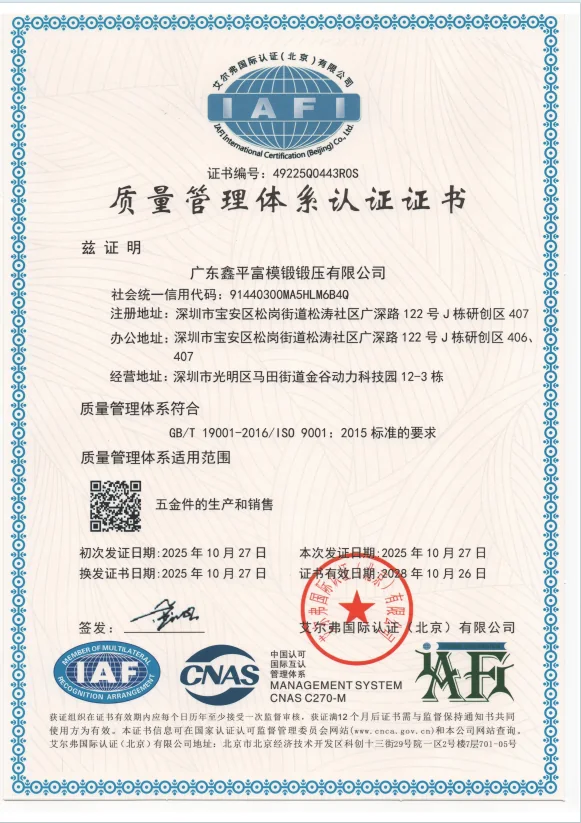
ISO 9001:2015
Quality management system
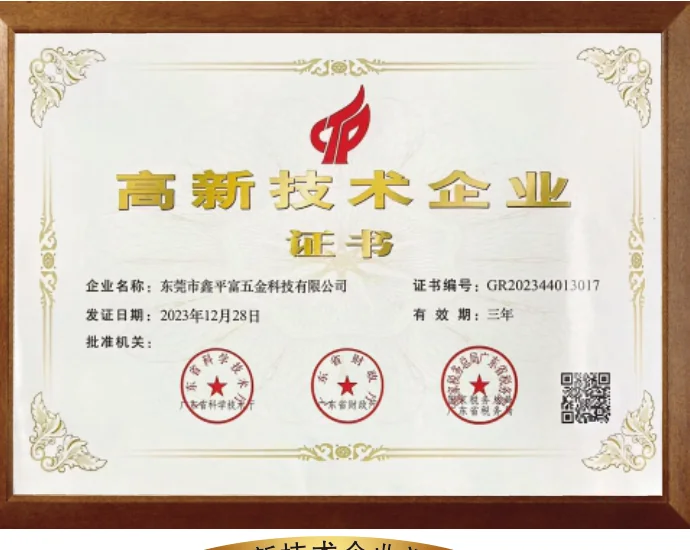
National High-Tech Enterprise
Recognised by the Ministry of Science & Technology
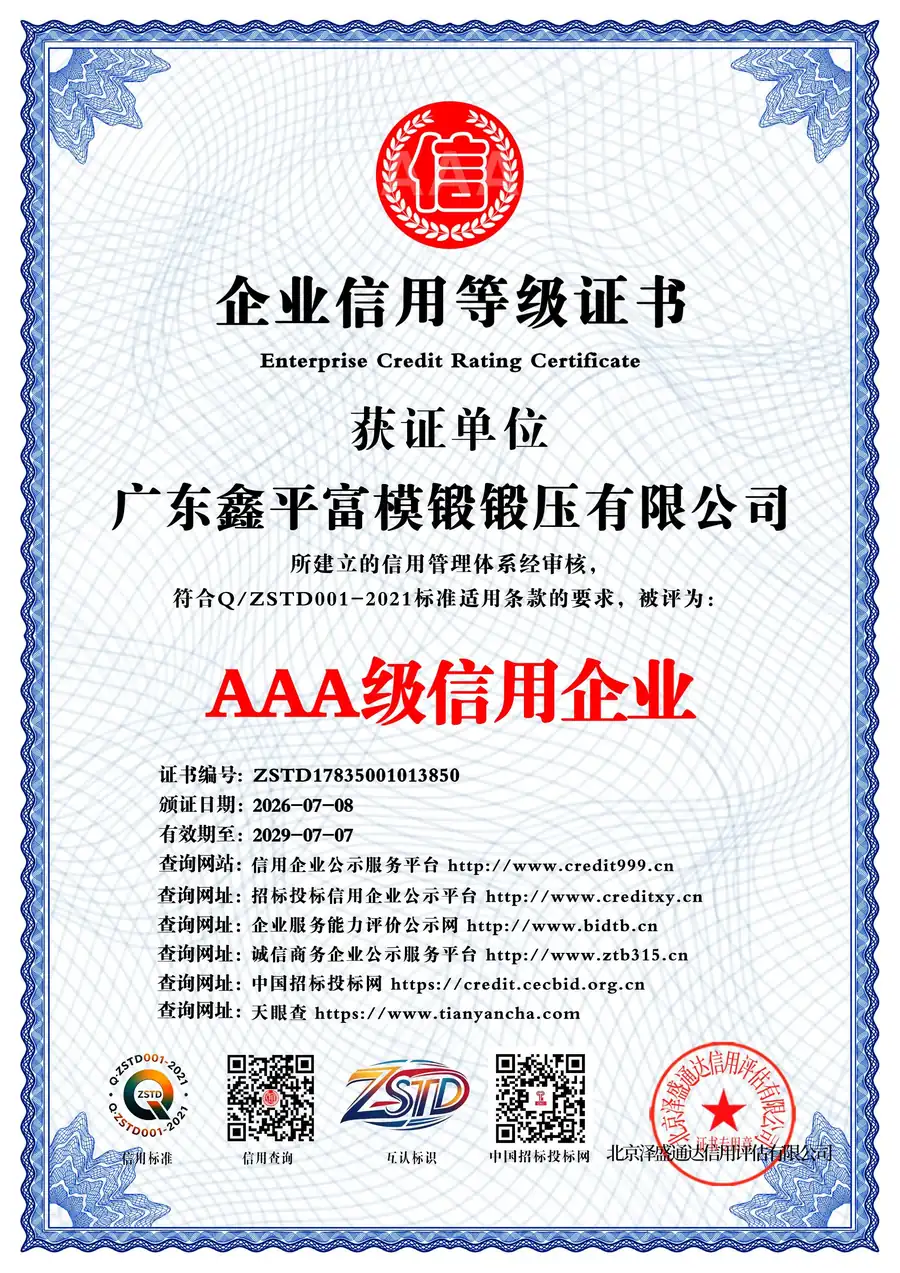
AAA Enterprise Credit Rating
Highest credit grade for Chinese enterprises
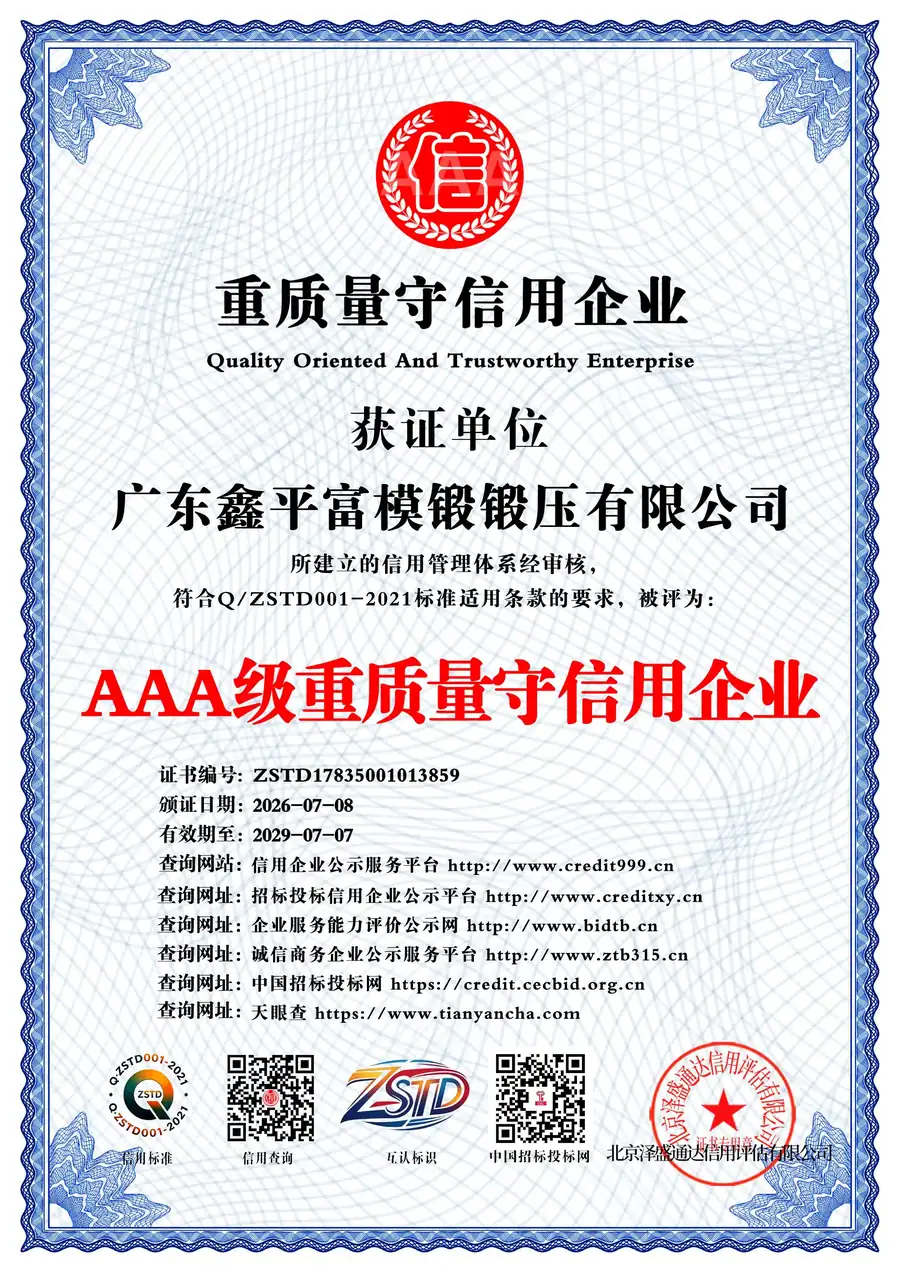
AAA Quality-Honouring Enterprise
Provincial quality recognition
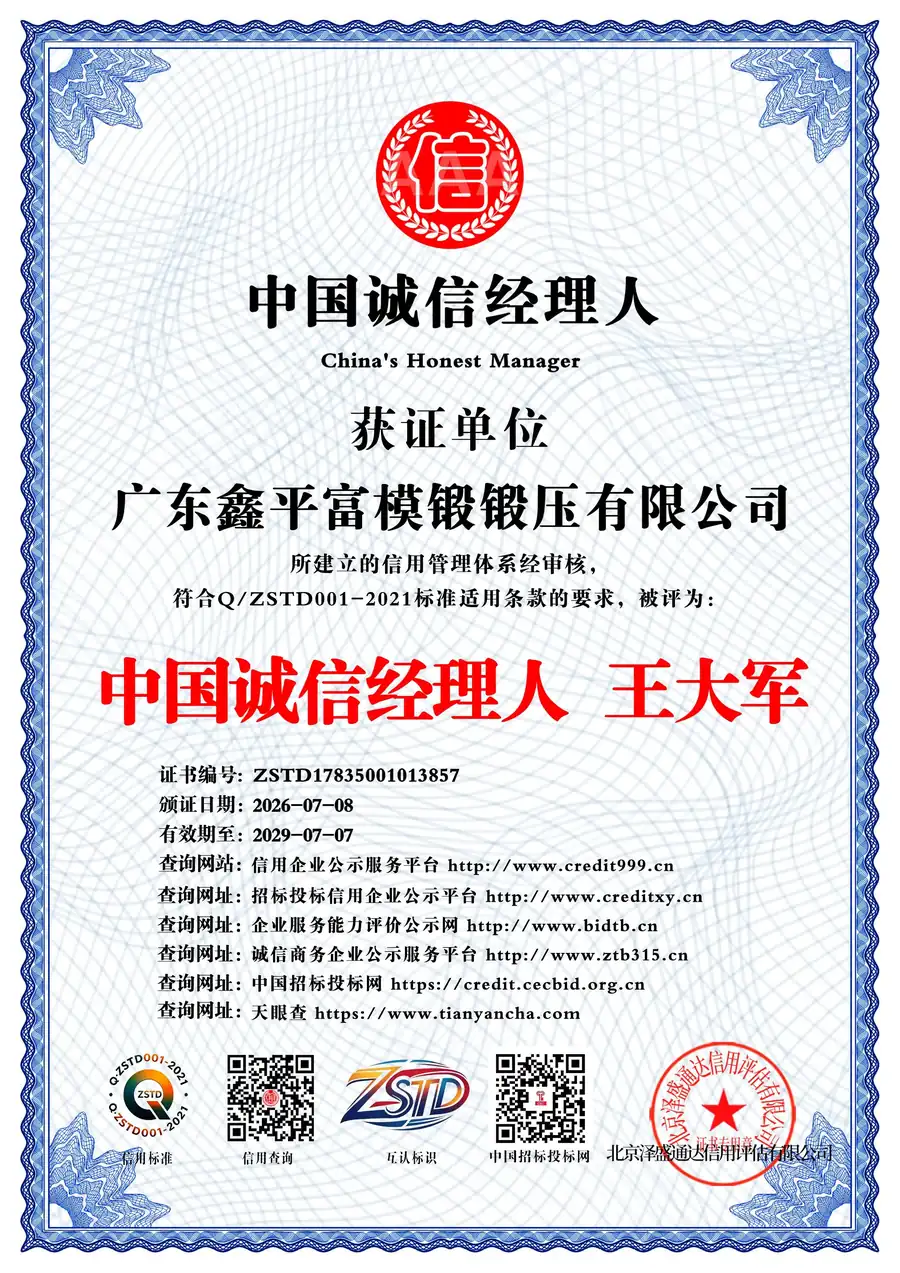
Honest Entrepreneur Award
Awarded to founder Wang Dajun
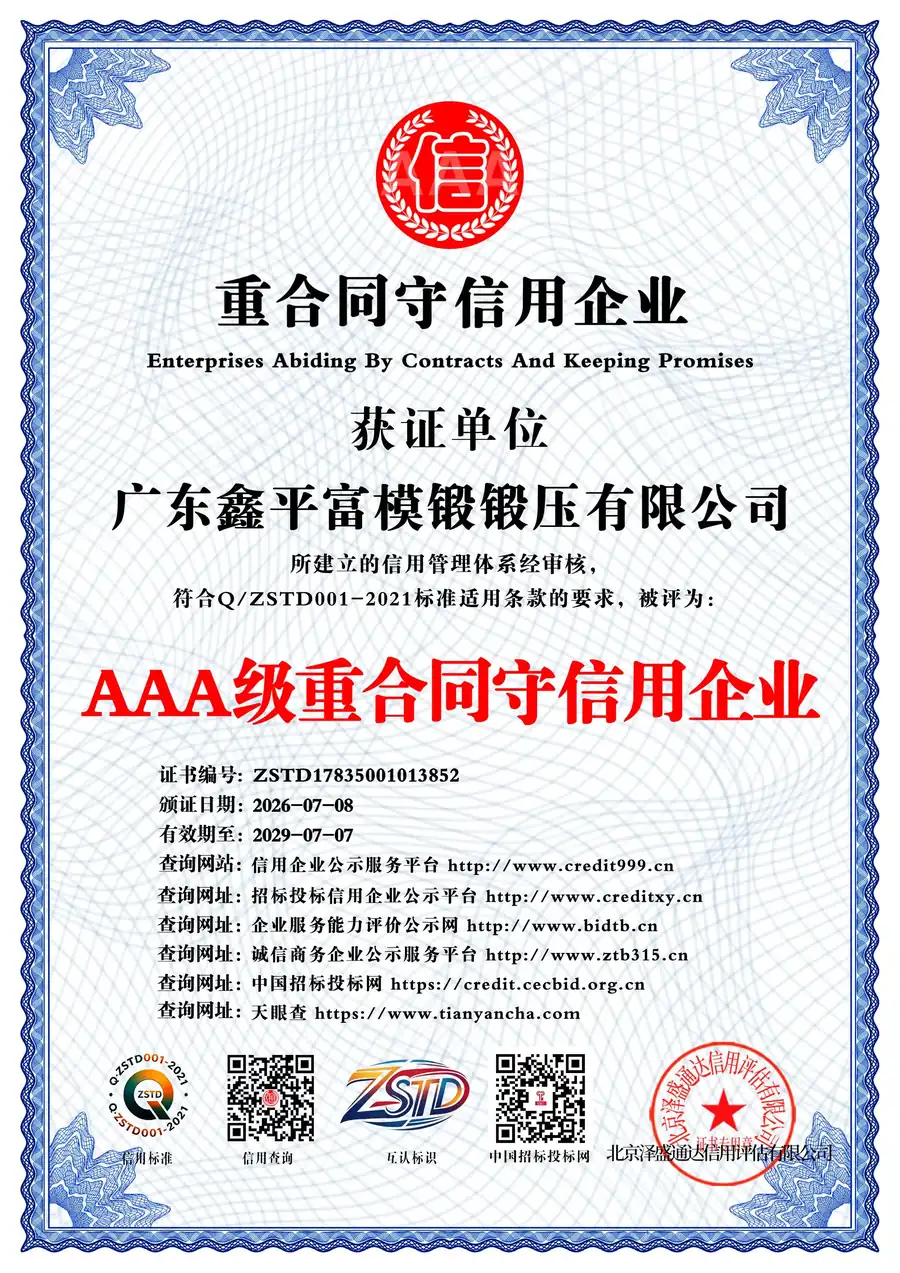
AAA Contract-Honouring Enterprise
Contract performance record
PATENTS & R&D
Engineering that ends up on the certificate
Five utility-model patents granted for bicycle and component mechanisms — evidence that design capability sits in the same building as the presses.
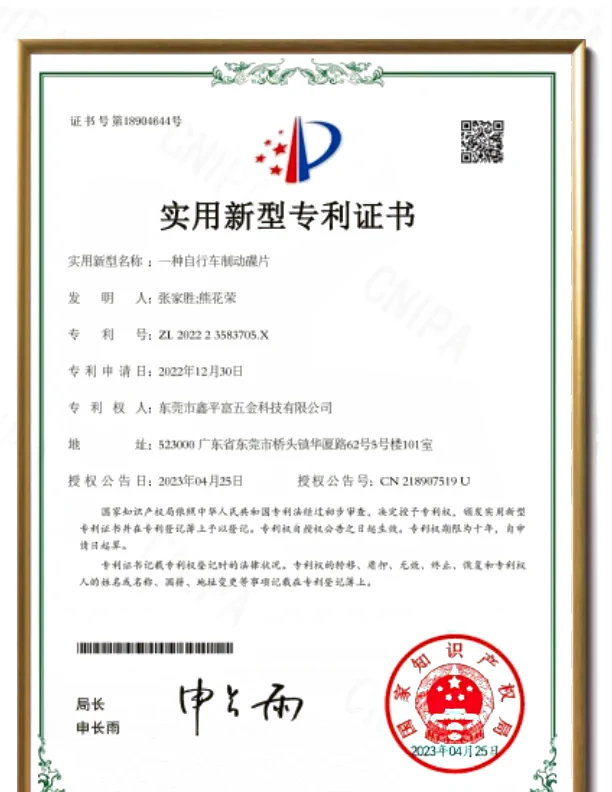
Bicycle brake disc
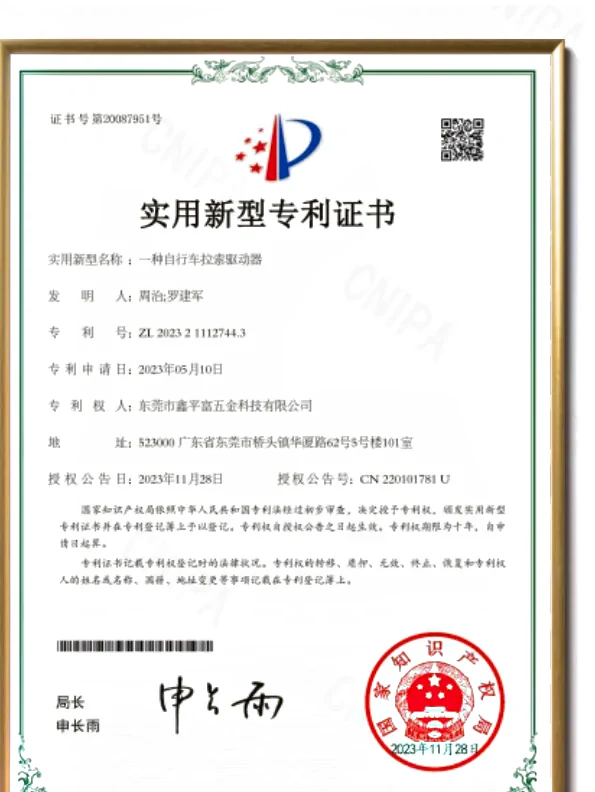
Bicycle cable drive
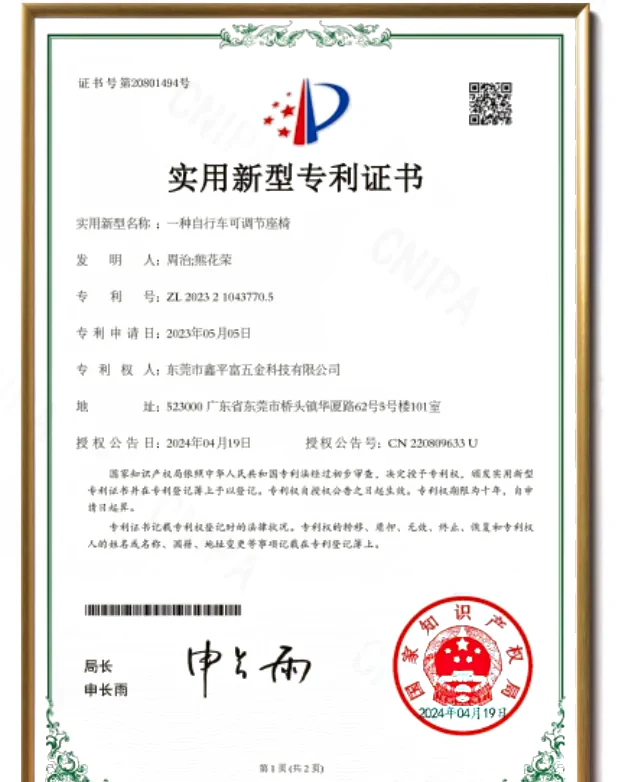
Adjustable bicycle seat
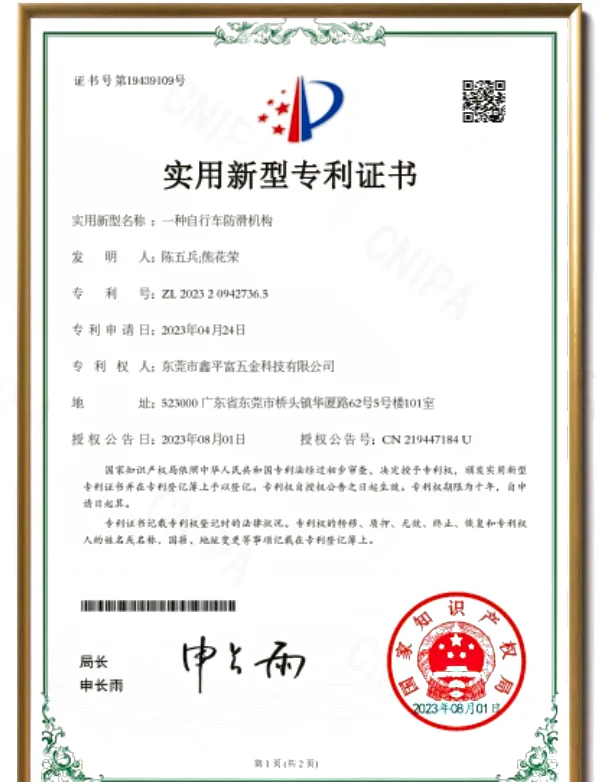
Anti-slip mechanism
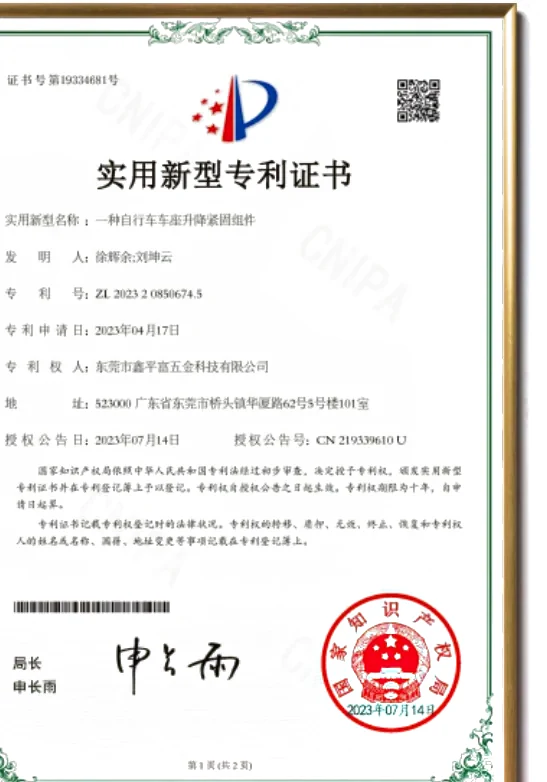
Bicycle seat clamp
ENGINEERING & QUALITY
Evidence, not adjectives
Buyers auditing us start here: material grades with certificates, measured capability, and inspection you can witness. Customer audits welcomed.
Materials
- 6061 / 6063 / 6082 / 7075 — 2xxx & 5xxx on request
- Mill-certificate traceability per batch
Inspection
- CMM · spectrometer · hardness
- PPAP & FAI supported
Compliance
- RoHS / REACH
- ISO 9001-aligned system
HOW WE SUPPORT YOUR PROGRAM
From first sketch to repeat orders
DFM review
Send a drawing or a sample; an engineer returns a manufacturability note with draft, tolerance and cost suggestions.
Prototype fast lane
Single-cavity dies for validation runs before you commit to production tooling.
Documentation
PPAP, FAI, dimensional reports and material certificates prepared for your quality file.
Program support
One contact from first drawing to repeat orders — and dies stay in-house, so changes are fast.
WHAT BUYERS ASK FIRST
The three questions every sourcing manager starts with
“Will the tolerances hold at volume?”
Forging dimensions are held by dies you own, not by operator attention. Machined features are finished to drawing on CNC with CMM verification — the same setup for sample and production.
“What if the part isn’t a good forging candidate?”
We say so. The DFM review is free and honest — if casting or machining from solid serves you better at your volume, that is what the note will say.
“Can we keep our design confidential?”
Yes. Dies are designed and built in our own tool shop, so drawings never travel to a third-party die maker. NDA available on request; your tooling stays yours.
FAQ
Before you send a drawing
Which file formats can I send?
STEP, STP, DWG, DXF, PDF — even a clear photo of a print for a first feasibility opinion.
Do you sign NDAs?
Yes. Tooling and dies are designed and built in-house, so your drawings never travel to a third-party die shop.
What happens after I upload a drawing?
An engineer reviews forgeability, suggests draft angles and tolerance adjustments, and replies with a feasibility opinion and cost range.
Can you finish parts we forge elsewhere?
Yes — CNC finishing, anodising and assembly are available as stand-alone services.
What is your MOQ?
Prototype and production minimums depend on part size and die cost amortisation. Send your annual volume and you get a straight answer, not a range.
How fast do you reply to a drawing?
Most drawings receive a feasibility opinion and cost range within 3 working days.
Which alloys can you forge?
6061, 6063, 6082 and 7075 as standard, with 2xxx and 5xxx grades on request — every batch ships with a mill certificate.
What quality documents do you provide?
A mill certificate per alloy batch and a dimensional report with every shipment; PPAP and FAI documentation on request.
Can we audit your factory?
Yes, customer audits are welcomed — and quality evidence is available before you commit to a program.
Where do you ship from?
Our factory in Guangming District, Shenzhen, with export packing and worldwide delivery.
RESOURCES
What to read before sourcing forged parts
Quality evidence pack
Certificates, inspection capability and the audit trail buyers ask for.
OpenAlloy selection guides
6061 vs 7075, T6 heat treatment, billet vs forged blanks — plain-language guides.
OpenTrade & compliance
HS codes, EU anti-dumping context and export documentation for forged parts.
OpenFORGING GUIDES
From the engineering library
Forging vs casting: process, structure, cost
Where castings fail and forgings earn their price — grain flow, porosity and the honest crossover points.
Read6061 vs 7075: which alloy for your part?
Strength, cost, anodising and weldability compared — with the three scenarios that decide it.
ReadWhat is billet aluminum?
The stock form behind every forging — and how it differs from cast ingot.
ReadTHE FACTORY
Twenty years of aluminium, one address
Guangdong Xinpingfu Forging (广东鑫平富模锻锻压有限公司) has been forging in Shenzhen since 2005. What started as a die shop with one press now runs six presses, two cold-forging machines and twelve CNC centers — still under the same roof, still answering to the same family that founded it.
Not sure forging fits your part?
Send the drawing — we’ll tell you honestly, with numbers.
HOW TO START
Three steps to a quoted forged part
- Send the drawingSTEP / DWG / PDF or a photo of a print — with annual volume if you have it.
- Get the DFM noteFeasibility, draft and tolerance feedback, and a cost range within 3 working days.
- Approve and runTooling is built in-house, first article approved, then production with inspection reports.