

Why Electric Vehicles (EVs) Rely on Automotive Aluminum Forging for Range Efficiency
Hello everyone, I am “Old Wang the Forging”
In my 20 years leading XinPingFu, I have seen many changes in the automotive industry. But nothing compares to the revolution we are seeing right now: the shift to Electric Vehicles (EVs).
Every day, engineers from top electric vehicle companies come to me with the same headaches. They say, “Old Wang, our batteries are too heavy. Our range isn’t enough. We need to make this car more fuel-efficient.”
This is the biggest challenge in modern automotive design. Today, I will share with you why automotive aluminum forging is not just an option—it is the only solution for the next generation of high-efficiency electric vehicles.
The Challenge of Weight in EV Design
Let’s be honest about the physics. Batteries are heavy. A typical EV battery pack can weigh 500kg or more. This adds massive stress to the chassis and reduces the driving range.
In the old days of gasoline cars, engineers could use cheap cast iron or stamped steel. But in an EV, every kilogram of extra weight kills your battery efficiency. This is what we call “Range Anxiety.”
So, how do we solve this? We cannot make the battery lighter yet. We must make the rest of the car lighter.
Why Casting and CNC Machining Are Not Enough
Some engineers try to use aluminum die casting to save weight. It is light, yes. But it has a problem: porosity (air bubbles). To make a cast part safe, you have to make it thick and bulky. This adds weight back onto the car!
Others look at CNC machining. It is precise, but it wastes too much material and takes too long for mass production.
This is where my expertise comes in. The advantage of aluminum forgings in terms of weight ratio. Because we compress the metal’s grain structure, I can make parts that are thinner and lighter than castings, yet twice as strong as die-cast parts. For electric vehicles, this weight reduction translates directly to increased range per charge.
Critical Applications of Forged Aluminum in Autos
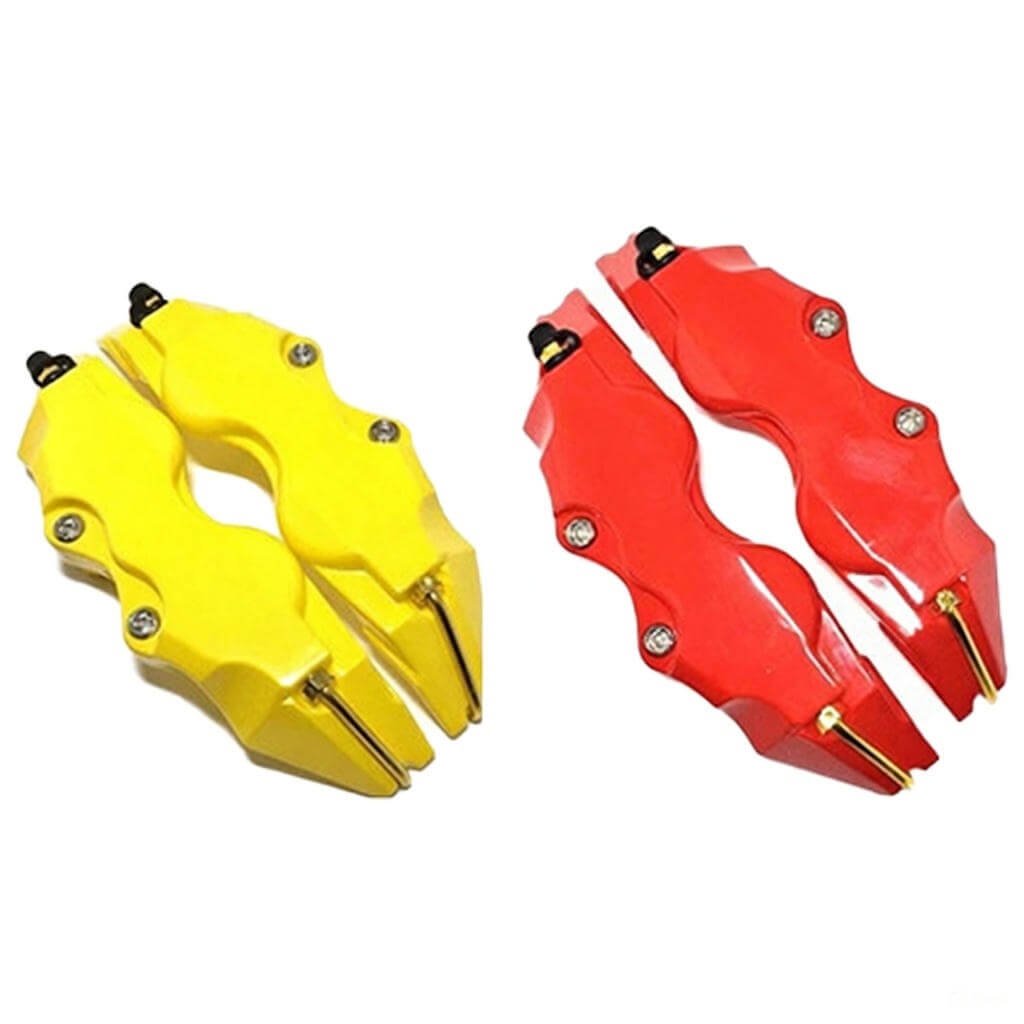
We focus on the critical parts—the parts that carry the load and keep the driver safe. At XinPingFu, we specialize in the “unsprung weight” components.
“Unsprung weight” is everything below the suspension springs (wheels, brakes, control arms). Reducing weight here is magical. It improves range, but it also makes the car handle better and ride smoother.
Control Arms and Suspension Components
The control arm is the muscle of the suspension. It connects the wheel to the frame. It takes a beating from potholes, cornering forces, and braking.
In the past, these were heavy steel. Now, I help my clients replace them with forged 6061-T6 aluminum.
Why forging has an advantage here:
Grain Flow: When I forge a control arm, the aluminum grain flows around the curves of the shape. It is like a continuous muscle fiber. A cast part has a random grain structure, which is weak.
Safety Factor: If a cast control arm hits a massive pothole, it might snap (brittle failure). A forged control arm is ductile. It might bend, but it will not snap. This keeps the wheel attached and the passenger safe.
Design freedom: We can design complex shapes to maximize strength while removing material from low-stress areas.
By replacing the control arms with forged aluminum ones, I helped my customer achieve up to 40% weight reduction compared to steel, without sacrificing structural strength.
Steering Knuckles and Chassis Parts
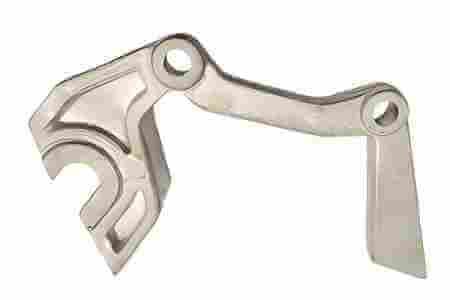
The steering knuckle is perhaps the most complex and stressed part of the suspension system. It holds the wheel hub and connects to the steering and suspension.
For this critical part, we often use 7075-T6 aluminum. As I have mentioned before, 7075 aluminum yield strength is truly remarkable, typically reaching over 500 MPa (73,000 psi). This level of strength rivals many structural steels, yet the aluminum part weighs only one-third as much.
The XinPingFu Solution:
Making a steering knuckle is difficult. It has many mounting points for brakes and sensors.
Casting solution: The part must be huge and bulky to be strong enough.
Forging solution: We can make a compact, elegant part that fits tight spaces.
We use a process called “Precision Hot Forging.” We heat the billet to make it plastic, then press it into a complex die. This ensures the material density is 100%. There are no air pockets.
For an EV manufacturer, a forged knuckle means you can use a lighter suspension system overall. It creates a positive spiral of weight reduction.
Why XinPingFu is Your Partner for EV Components
I want to communicate directly with you, the purchasing manager and design engineer who is reading this article.
You are under pressure. You need to launch your new EV model fast. You need parts that are light, strong, and affordable. And most importantly, you need a supplier you can trust.
XinPingFu is that partner.
Certified Quality: We are ISO 9001 and IATF 16949 compliant. We know the automotive standard is “zero defects.”
Traceability: Every control arm and knuckle that leaves my factory has a code. We can trace it back to the raw material batch.
Customized Solutions: I don’t just print parts. My engineering team works with you. We look at your product structure and say, “Let’s redesign it to fit aluminum forging.” We help you reduce weight and cost.
“Old Wang the Forging”R Promise:
Do not let heavy parts kill your EV’s performance. Let us replace your heavy steel and porous castings with high-performance forged aluminum.
Contact me, “Old Wang the Forging”, contact me today. Send me your product images. Let’s build the future of transportation together.