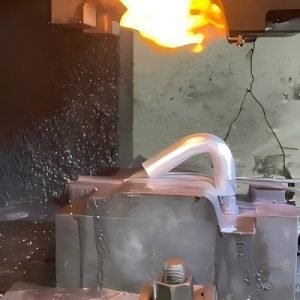
High-strength forged aluminum components for automotive suspension, chassis, and EV structural applications
A cost-effective alternative to CNC machining and aluminum die casting

Offering superior fatigue resistance compared to die casting and lower overall cost than full CNC machining

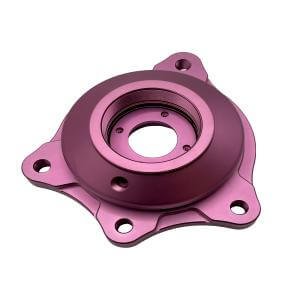
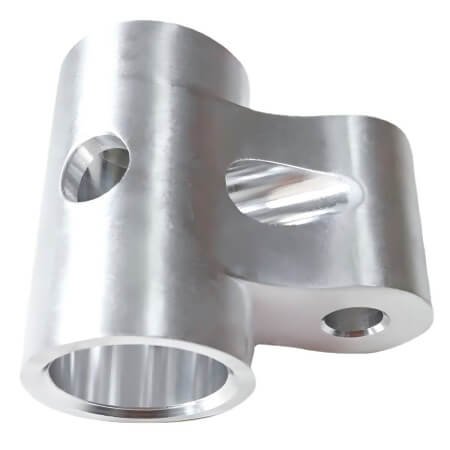
Typical Automotive Aluminum Forged Applications

These components benefit from forging’s dense grain structure and superior mechanical performance

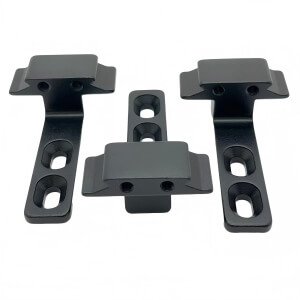
Automobile brake castings

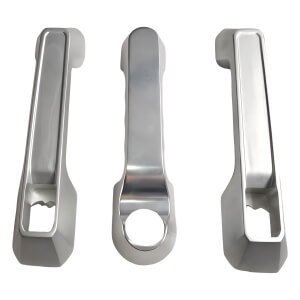
Automobile door handle forging part

Automobile brake pad

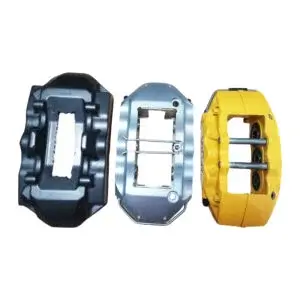
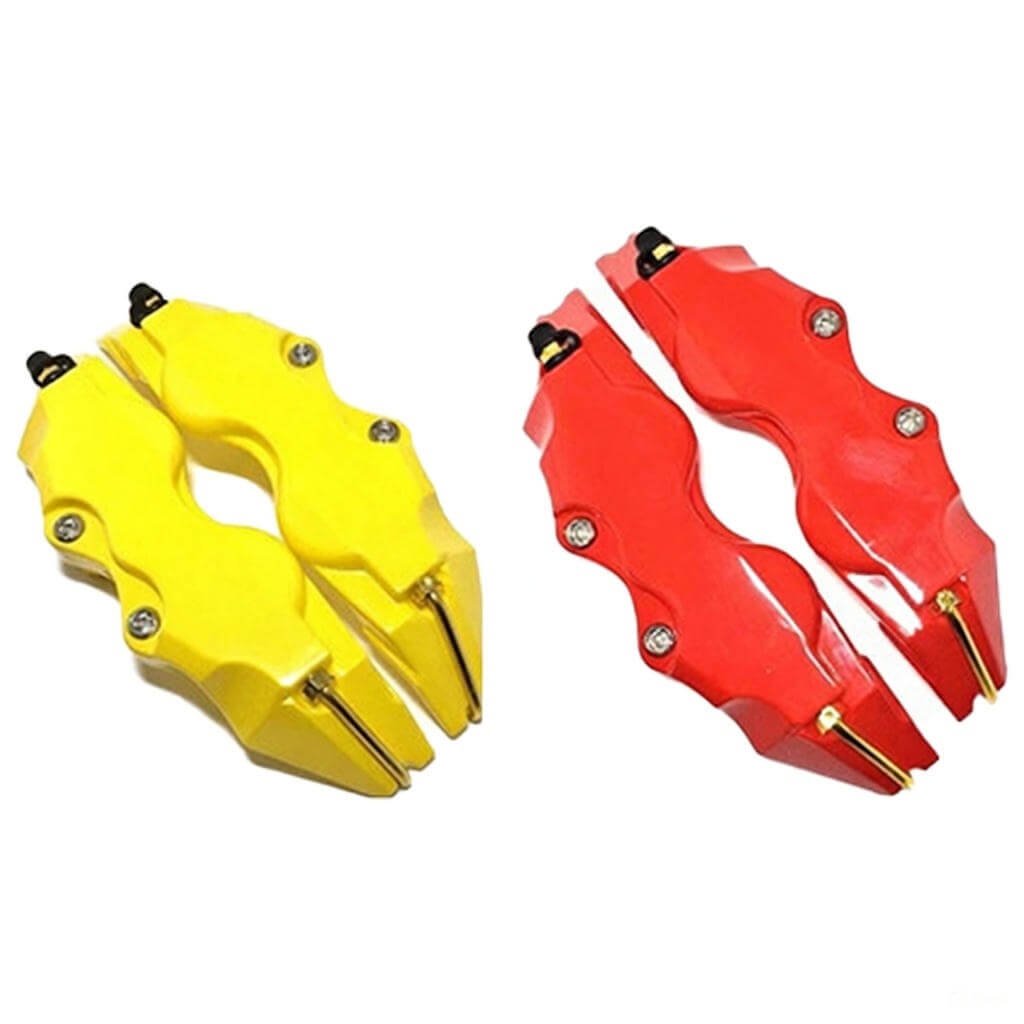
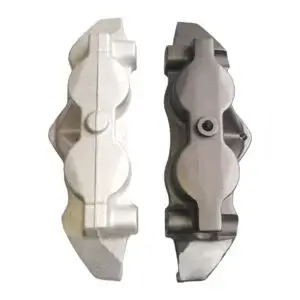
Automobile brake caliper forging parts

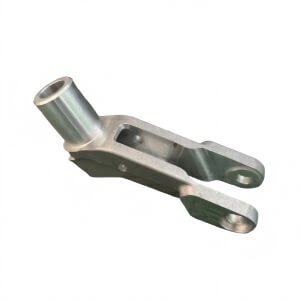
Automobile suspension arm

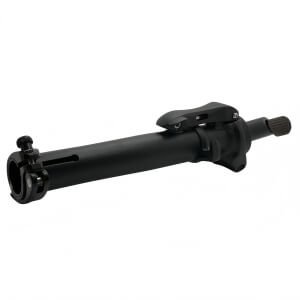
Robot manipulator parts

Why Automotive OEMs Choose Aluminum Forging?

Automotive manufacturers require components that combine strength, fatigue resistance, and cost efficiency.

Advantages:

  • Higher strength than die casting
  • Lower total cost than full CNC machining
  • Excellent fatigue and impact resistance
  • Consistent quality for safety-critical parts
Automobile brake castings

Forging vs CNC Machining vs Die Casting

Forging is widely used for automotive load-bearing components where strength, reliability, and cost control are critical.

Structural Strength

Very High
Medium
High

Cost Efficiency

❌ High

✔ Low

✔✔ Medium

Typical Use

Prototypes / low volume
Non-structural parts

✔✔Structural & safety parts


    Forging creates near-net-shape blanks, while CNC machining ensures tight tolerances and assembly accuracy

Benefits:

  • Reduced machining time

  • Lower material waste

  • Improved overall cost efficiency

Aluminum 6061 

Aluminum 6063

Aluminum 6082

Aluminum 7075 (high-strength applications)

Hot forging of aluminum molds

Forging + CNC Machining Capability

Anodizing and surface treatment

Custom Tooling and Die Development

Why Work With Our Automotive Forging Factory

Closed-die hot forging process

Expertise in hot forging dies and aluminum forging
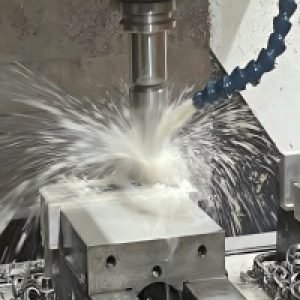
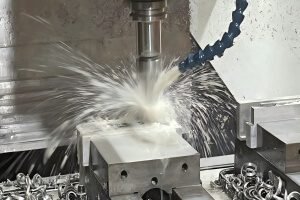
CNC Machining

In-house CNC machining capabilities
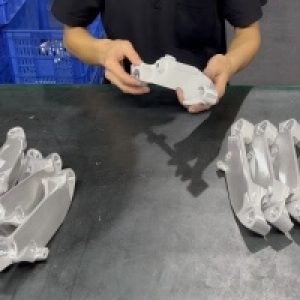
100% inspection

Consistent quality control for export markets

Stable quality control

Full-process support from design to mass production
Forging sits between CNC machining and die casting, offering an optimal balance of strength, cost, and surface quality

Closed-die hot forging process

Forging

  • Lightweight & Strong: Offers superior strength with reduced weight, ideal for automotive and industrial use.

  • No Porosity: Eliminates internal porosity for more reliable parts.

  • Cost-Effective: Reduces material waste with near-net shapes, cutting machining costs.

  • CNC & Die Casting Benefits: Combines precision with cost-efficiency for a balanced solution.
CNC Machining
  • High Precision: Provides exact tolerances for detailed parts.

  • Smooth Finish: Produces smooth surfaces, reducing finishing needs.

  • Low Initial Costs: No expensive tooling or molds, ideal for small batches

Die Casting
  • Cost-Effective for Mass Production: Low cost per part for high-volume runs.

  • High Yield: Produces high-quality parts with fewer defects.

  • Complex Shapes: Ideal for intricate designs with fine details.

Start Your Industrial Aluminum Forging Project

Looking to replace CNC machining or die casting with a stronger and more cost-effective solution?

Start your aluminum forging project

Old Wang the Forger

Aluminum Forging Manufacturer

specializing in high-strength, anodizable forged aluminum parts