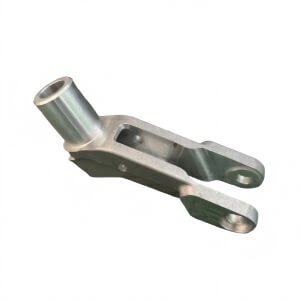
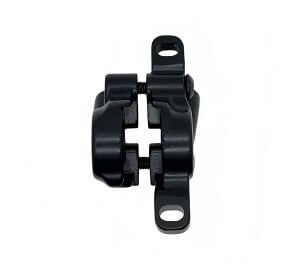
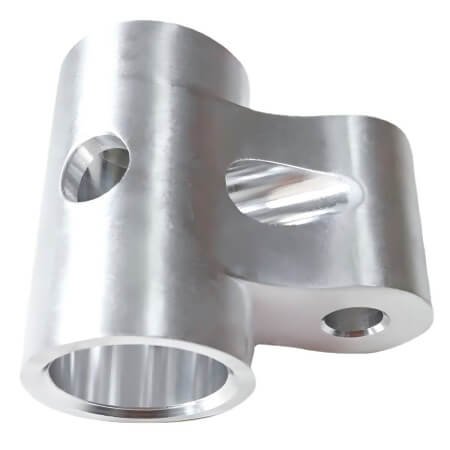
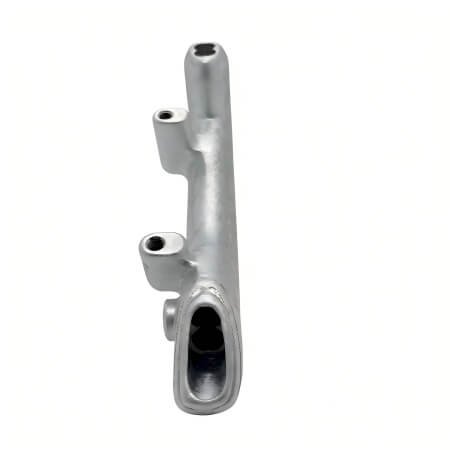
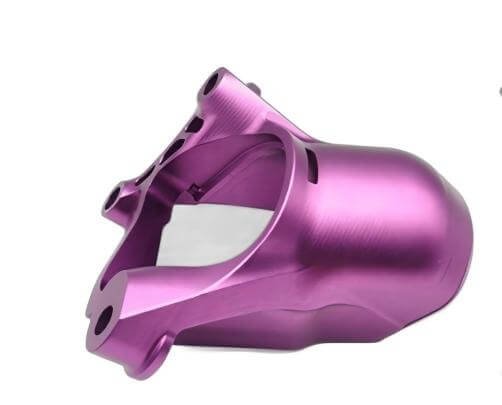
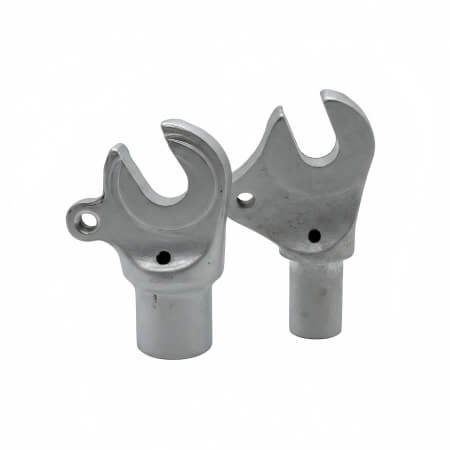
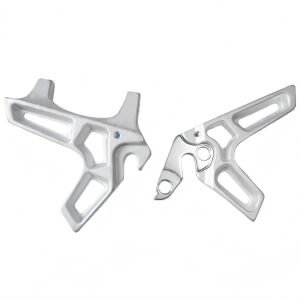
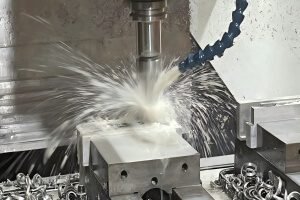
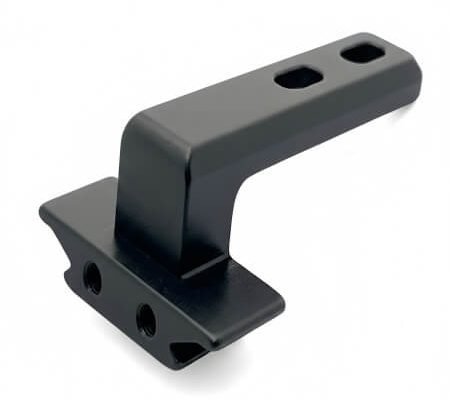
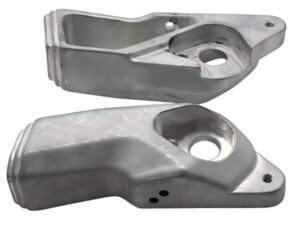
Robotics Automation Forged Components Precision aluminum forged parts designed for robotic systems, automation equipment, and high-cycle industrial applications A cost-effective alternative to CNC machining and aluminum die casting Offering superior fatigue resistance compared to die casting and lower overall cost than full CNC machining Upload Your Drawing Request a Forging Quote Facebook Youtube Tumblr Linkedin Whatsapp Typical Forged Components for Robotics & Automation Thanks to the fatigue resistance and lightweight properties of forged aluminum alloy components Robotics & Automation Forged Components Road bicycle tubing lightweight robotic structural parts Robot structural arm Lightweight load-bearing components Precision structural connectors Why Aluminum Forging Is Ideal for Bicycle & E-Bike Components? Bicycle manufacturers require lightweight, fatigue-resistant, and aesthetically pleasing anodized components Advantages:Lightweight Without Sacrificing StrengthForged aluminum offers higher strength-to-weight ratio than CNC or casting.Perfect for Anodized Surface FinishingNo porosity, ensuring smooth and consistent anodized appearance.Designed for Dynamic Load & FatigueIdeal for pedaling forces, vibration, and long-term riding durability. Forging vs CNC Machining vs Die Casting for Robotic Parts Forging is widely used for automotive load-bearing components where strength, reliability, and cost control are critical. Forging Best fatigue resistance, stable mechanical properties, ideal for dynamic motion systems CNC Machining pats Excellent precision but higher cost and material waste Die Casting Lower cost but internal porosity limits strength and surface finishing. Forging + CNC Machining for Precision Parts Forging creates near-net-shape blanks, while CNC machining ensures tight tolerances and assembly accuracyBenefits:Reduced machining timeLower material wasteImproved overall cost efficiency Materials and Surface Finishing Options Materials Aluminum 6061 Aluminum 6063Aluminum 6082Aluminum 7075 (high-strength applications) Capabilities Hot forging of aluminum molds Forging + CNC Machining Capability Anodizing and surface treatment Custom Tooling and Die Development When Forging May Not Be the Right Choice Parts Better Suited for CNC Machining Aluminum forging may not be ideal for parts that require extremely complex geometries, deep internal cavities, or frequent design changes.For low-volume production or highly customized components, CNC machining offers greater flexibility without tooling investment. Limitations of Aluminum Forging While aluminum forging provides excellent strength and reliability, it does have certain limitations.Initial die development is required, making forging less economical for very small batch sizes or prototype-only projects. Choosing the Right Manufacturing Process Forging, CNC machining, and die casting each serve different purposes.Our engineering team evaluates your part design, volume requirements, and performance goals to recommend the most suitable manufacturing solution. When Forging May Not Be the Best Choice? Extremely low-volume prototypesVery thin decorative partsVery thin decorative parts Need Reliable Forged Components for Robotics Systems? Send us your drawings or technical requirements, and our engineering team will recommend the most suitable forging solution. Get a Quote Or contact our engineering team for technical discussion Start your aluminum forging project Name Email Message Send