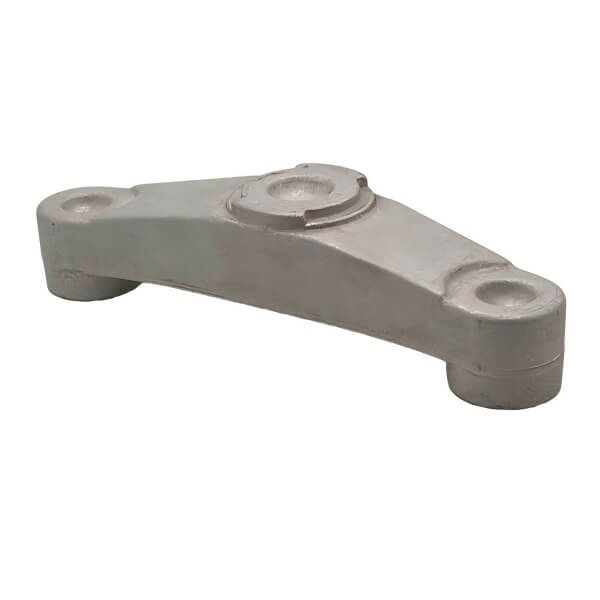
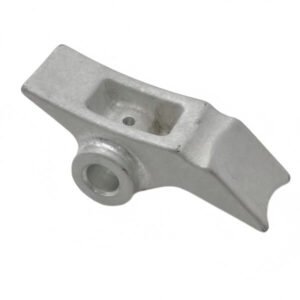
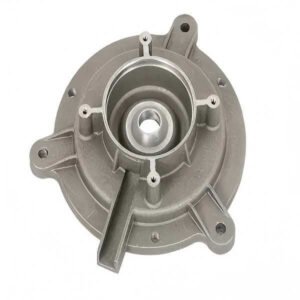
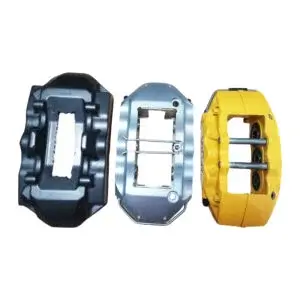
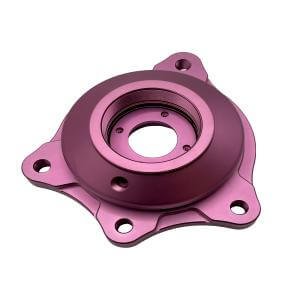
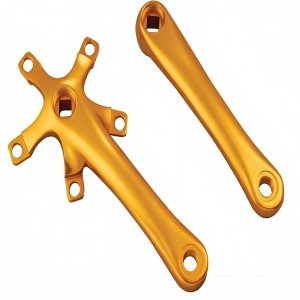
Aluminum forging combines the mechanical advantages of wrought aluminum with improved material efficiency.
By shaping metal under controlled pressure, forging produces components with superior strength, consistent quality, and reduced waste compared to CNC machining.
Q1. Is aluminum forging cheaper than CNC machining?
Answer:
For structural and high-volume parts, aluminum forging is often significantly more cost-effective than CNC machining. Forging creates near-net shapes, reducing machining time, material waste, and overall production cost while maintaining excellent strength and precision.
Q2. Can forged aluminum parts be anodized?
Answer: Yes. Unlike die casting, aluminum forged parts have a dense, non-porous structure, making them ideal for anodizing. This allows for smooth surface finishes, consistent color, and high-quality appearance required for visible or premium components.
Q3. What types of parts are suitable for aluminum forging?
Answer: Aluminum forging is ideal for load-bearing, structural, and safety-critical components such as automotive parts, motorcycle components, industrial brackets, and mechanical housings that require high strength, durability, and reliable surface quality.
Q4. Forging vs die casting: which process offers better strength?
Answer: Forged aluminum parts offer significantly higher mechanical strength than die-cast parts. The continuous grain flow created during forging improves fatigue resistance, impact strength, and overall structural integrity.
Q5. Can forging replace CNC machining or die casting for my project?
Answer: In many cases, yes. Aluminum forging often replaces full CNC machining or die casting when cost, strength, and surface quality need to be balanced. Forging combined with CNC finishing provides an optimal solution for performance and cost efficiency.