

Good aluminum forging design starts long before the press runs. By following a few forging-friendly rules, you get stronger parts, fewer rejects, and lower cost. This guide covers the essentials.
Why Forgeability Matters
A part that is easy to forge needs less draft, thinner webs, and tighter tolerances—translating directly into material and machining savings. Our die design guide explains the mold side in detail.
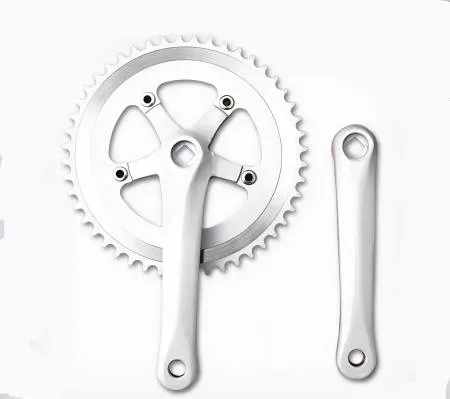
Draft Angle
A small draft angle (typically 1°–5°) lets the part release from the die without sticking. Smaller draft is possible with special tooling but raises cost.
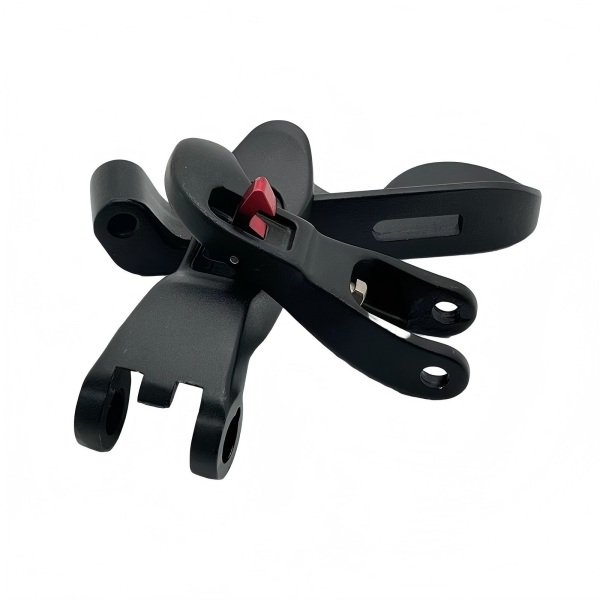
Fillet and Radius
Generous fillets and corner radii reduce stress concentration and improve metal flow. Sharp corners are the enemy of a clean fill.
Web and Rib Thickness
Keep webs and ribs thick enough to fill. Thin sections may not forge completely and can require more press tonnage. Balancing wall thickness also helps avoid warpage.
Parting Line Placement
A smart parting line simplifies the die and improves flash control. This ties closely to aluminum forging tolerances.
About Guangdong XinPingFu: Based in Shenzhen, China, Guangdong XinPingFu runs 6 forging presses (300T–2500T) and 12 CNC centers with ISO9001 certification and 99.7% qualified rate. We review your drawing early to optimize aluminum forging design before tooling begins.