Aluminum Forging Materials Guide: 6061, 6063, 6082 and 7075

Learn how to choose the right aluminum alloy for forged aluminum parts, CNC machining, anodizing, strength, and structural performance.

Why Aluminum Alloy Selection Matters for Forged Parts

Choosing the right aluminum alloy affects strength, fatigue resistance, CNC machining performance, anodizing quality, corrosion resistance, weight, and total manufacturing cost.

Strength

Machinability

Anodizing Quality

Corrosion Resistance

Cost Performance

Fatigue Resistance

6061 vs 6063 vs 6082 vs 7075 Aluminum: Quick Comparison

Alloy

6061

6063

6082
 

7075

Strength

Medium-high
Medium
Higher than 6061
Very high

Machinability

Good
Good
Good
Good

Anodizing

Good

Excellent appearance
Good
 
Fair to good

Best For

Balanced performance
Surface appearance
Structural strength
High-strength performance

Typical Use

Bike parts, brackets, CNC-finished forged parts
Visible parts, handles, anodized components
Industrial parts, arms, supports, brackets
Performance parts, high-load structural components
7075 can be anodized, but appearance and process control may require more attention compared with 6061 or 6063.

Description of various materials

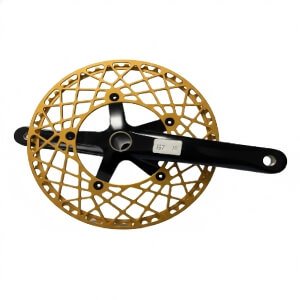
Bicycle chainring and crank

6061 Aluminum Forging

Balanced Strength, Machinability and Anodizing Performance
6061 aluminum is one of the most widely used alloys for forged aluminum parts. It offers a good balance of strength, machinability, corrosion resistance, and anodizing performance.
Best for:Bicycle components, e-bike parts, brackets, CNC-finished forged parts, industrial aluminum components.
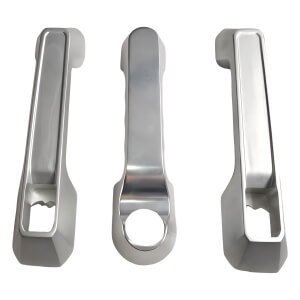
Automobile door handle forging part

6063 Aluminum Forging

Better Surface Appearance and Corrosion Resistance
6063 aluminum is often selected when surface appearance, corrosion resistance, and stable finishing are important. It is suitable for parts where anodized appearance matters more than maximum strength
Best for:Visible aluminum parts, handles, decorative structural components, anodized parts, lightweight components
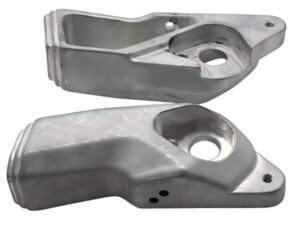
Servo motor bracket

6082 Aluminum Forging

Structural Strength for Industrial Aluminum Parts

6082 aluminum is commonly used for structural applications requiring higher strength and good machining performance. It is suitable for forged aluminum parts used in industrial, automation, and load-bearing applications
Best for:Industrial brackets, support arms, automation components, structural aluminum parts, load-bearing forged components
Automobile door handle forging part

7075 Aluminum Forging

High-Strength Aluminum for Performance Parts

7075 aluminum is selected when high mechanical strength is the main requirement. It is suitable for demanding forged aluminum parts where load, performance, and reliability are critical
Best for:Performance bicycle parts, motorcycle components, high-strength structural parts, custom forged aluminum components

How to Choose the Right Aluminum Alloy for Your Forged Part

If your part requires......

Balanced strength, CNC machining, anodizing
Better surface appearance and corrosion resistance
Higher structural strength
 
Maximum strength and performance
Premium anodized appearance
Cost-effective structural performance
High-load performance parts

Alloy

6061
6063
6082
 
7075
6061 or 6063
6061 or 6082
7075
The final material choice should be based on part geometry, load condition, surface treatment, tolerance, production quantity, and target cost

Applications Section

Explore our high-performance forged aluminum components designed for various industries

Automotive Aluminum Forging Parts

High-performance parts for automotive components like suspension and structural part

Industrial Aluminum Forging Parts

Forged components designed for heavy machinery, hydraulics, and industrial automation

Motorcycle Powersports Forging Parts

Durable and lightweight forged parts for motorcycles, ATVs, and UTVs

Bicycle & Ebike Forged Components

Premium aluminum forged parts for bicycles and e-bikes

Robotics & Automation Forged Components

Precision-forged parts for robotics and automation applications

Custom Aluminum Forging Solutions

Tailored forging solutions for your specific needs

Material Comparison Guides

6061 vs 7075 Aluminum for Forged Parts6061 vs 6063 Aluminum: Which Is Better for Anodizing?6082 vs 6061 Aluminum for Structural Parts7075 Aluminum Forging: When Should You Use It?
Industrial Aluminum BracketsBest Aluminum Alloy for Robotics Aluminum Components
How Aluminum Alloy Affects CNC Machining CostHow Aluminum Alloy Affects Anodizing QualityHow Material Selection Affects Forging Tooling DesignAluminum Forging + CNC Material Selection Checklist
Q1. What aluminum alloys are commonly used for forging?

A.    Common aluminum alloys for forging include 6061, 6063, 6082, and 7075. The best choice depends on strength, CNC machining, anodizing, corrosion resistance, and cost requirements.

A.    Yes. 6061 aluminum is widely used for forged parts because it offers balanced strength, machinability, corrosion resistance, and anodizing performance.

A.   6061 provides balanced strength, corrosion resistance, machinability, and anodizing performance. 7075 offers much higher strength but may require more attention to cost, corrosion resistance, and surface treatment

A.    6061, 6082, and 7075 may be considered for bike crank arms depending on strength, weight, cost, and surface finish requirements. Final selection should be based on drawings and application conditions

A.    6061 and 6063 are commonly selected when stable anodized appearance is important. Final anodizing quality also depends on surface condition, machining, polishing, and process control.

A.      Yes. 7075 aluminum can be used for high-strength forged parts where mechanical performance is critical. It is suitable for demanding structural or performance applications.

A.      Yes. You can send drawings, material requirements, strength needs, surface treatment, and annual quantity. XinPingFu can help recommend a suitable aluminum alloy and forging + CNC process.

A.      Yes. Forged aluminum parts can be CNC machined after forging. CNC machining is used for holes, threads, tolerance-critical surfaces, and final assembly features.

Send us your drawing, application, strength requirement, surface treatment, and annual quantity. XinPingFu will help evaluate the right aluminum alloy and forging + CNC machining solution for your project.
Scroll to Top
Old Wang the Forger

Aluminum Forging Manufacturer

specializing in high-strength, anodizable forged aluminum parts