

Aluminum forging has become a go-to choice for automakers chasing weight reduction without giving up safety. This article maps where forged aluminum parts deliver the most value across the vehicle.
Why Automotive Chooses Forged Aluminum
Every kilogram removed from a vehicle improves acceleration, braking, and efficiency. Forged aluminum offers an excellent strength-to-weight ratio and consistent properties part after part—critical for safety-related components.
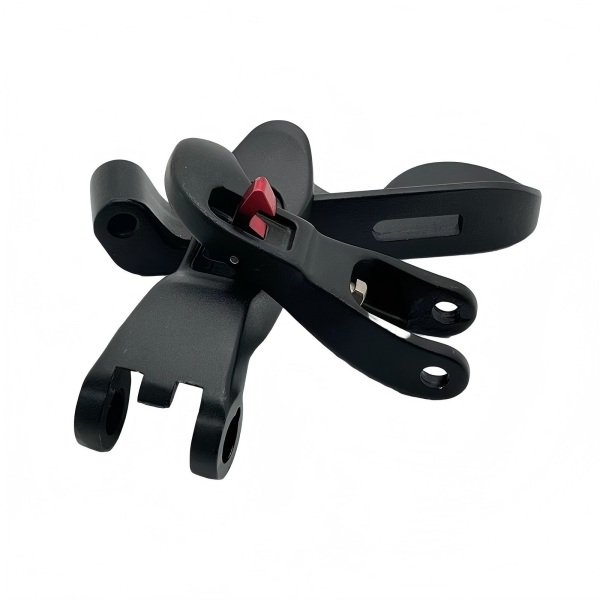
Chassis and Suspension Parts
Control arms, steering knuckles, and subframe brackets are classic forged-aluminum applications. Their complex load paths benefit from the aligned grain flow that forging provides.

EV Battery and Structural Parts
Electric vehicles add battery enclosures and crash structures where stiffness matters. Forged brackets and connectors keep weight down while meeting crash requirements. Our aerospace forging experience reflects the same discipline applied to automotive.
Powertrain Components
Rotating and torque-carrying parts such as hubs and adapter plates are often forged for fatigue life. Material selection is key—see our 6061 aluminum forging guide for property details.
How Guangdong XinPingFu Supports Automakers
We run 6 forging presses (300T–2500T) and 12 CNC centers, enabling forged blank plus machining in one flow to shorten lead time. With ISO9001 certification and 99.7% qualified rate, Guangdong XinPingFu supplies automotive-tier forged aluminum parts from our Shenzhen facility. Reach out for a quote and process review.