

Aluminum forging turns a simple billet into a high-strength, lightweight component used across aerospace, automotive, and energy equipment. If you are new to the process, this guide walks through each step so you know what to expect from a qualified forging supplier.
What Is Aluminum Forging
Aluminum forging is a metal-forming process where a heated aluminum billet is shaped by compressive force inside a die. Compared with casting, forging aligns the grain flow along the part’s load path, giving the component higher strength and better fatigue resistance. For a deeper look at how tolerances are held, see our guide on aluminum forging tolerances.
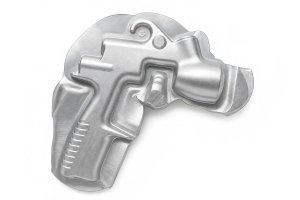
Step 1: Billet Cutting and Heating
A standard billet is cut to weight, then heated to the forging temperature window (typically 400–500 °C for common alloys). Proper heating softens the material without burning the grain structure.

Step 2: Die Forging
The heated billet is placed in a precision die and pressed by a forging press. Multi-stage dies progressively form the final shape while expelling flash. Our die design guide explains how parting line and draft angle affect formability.
Step 3: Trimming and Surface Cleaning
After forging, excess flash is trimmed and the part is cleaned. This prepares the surface for later treatment and inspection.
Step 4: Heat Treatment
Most forged aluminum parts go through solution heat treatment and aging to reach target mechanical properties. Details are covered in our heat treatment guide.
Step 5: CNC Machining and Inspection
Near-net-shape forgings are finished on CNC machines to tight dimensions, then inspected by CMM and non-destructive testing before shipment.
About Guangdong XinPingFu: Guangdong XinPingFu is an aluminum forging and CNC machining manufacturer based in Shenzhen, China, operating 6 forging presses (300T–2500T), 2 cold forgers, and 12 CNC centers with ISO9001 certification and 99.7% qualified rate. Contact us for a process review of your next forged aluminum part.