
When buyers ask about aluminum forging cost, the answer is rarely a single number. Price is built from material, tooling, and processing. This guide breaks down what actually moves the quote.
Material Cost
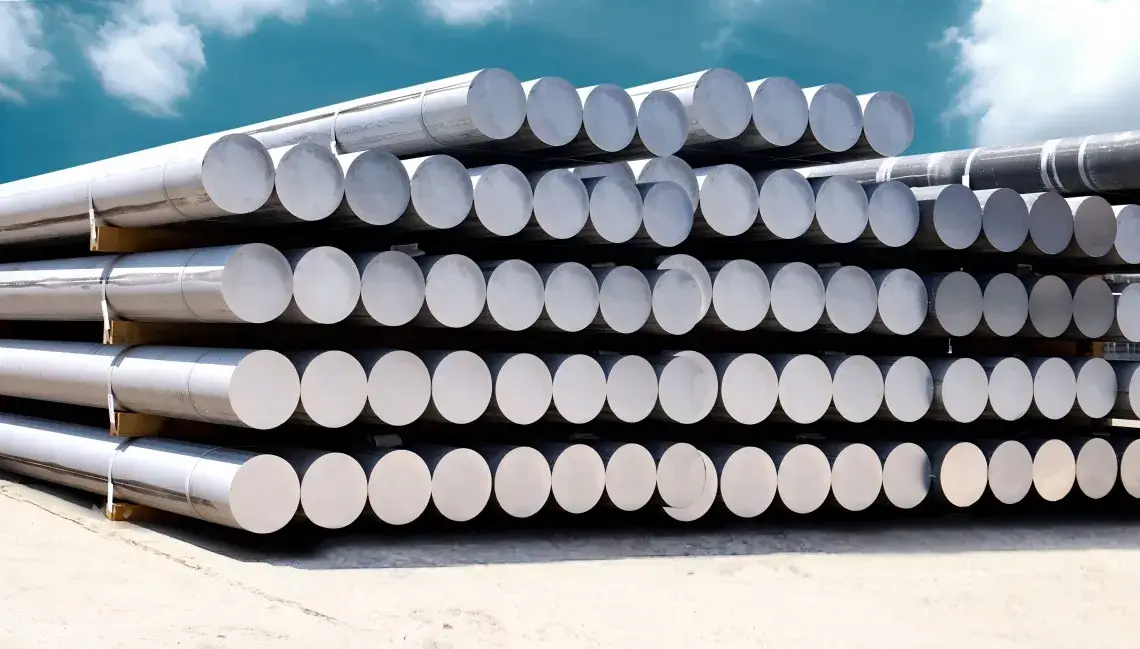
Alloy choice and billet size set the base. Near-net forging uses less material than machining from a block, lowering raw cost. Our process steps guide shows where material is saved.
Tooling Cost
Die cost is the big fixed item. Simple dies are cheap; complex multi-cavity or pre-form dies cost more. Tooling is amortized over volume, so per-part cost drops as quantity rises.

Processing Cost
Press time, heat treatment, and CNC finishing add up. Tighter tolerances—see our tolerances guide—mean more machining and higher cost.
How to Lower Total Cost
- Design for forgeability (design guidelines) to cut machining;
- Raise volume to amortize tooling;
- Choose the leanest alloy that meets spec.
About Guangdong XinPingFu: Based in Shenzhen, China, Guangdong XinPingFu runs 6 forging presses (300T–2500T) and 12 CNC centers under ISO9001 with 99.7% qualified rate, and reviews your design early to keep aluminum forging cost competitive.