
The right aluminum forging surface finish does more than look good—it protects against corrosion, improves wear, and prepares parts for bonding or painting. This guide covers the common finishes and how to choose.
Why Surface Finish Matters
Forged aluminum parts often serve outdoors or in demanding environments. A proper finish extends service life and keeps dimensions stable, especially for structural and appearance components.
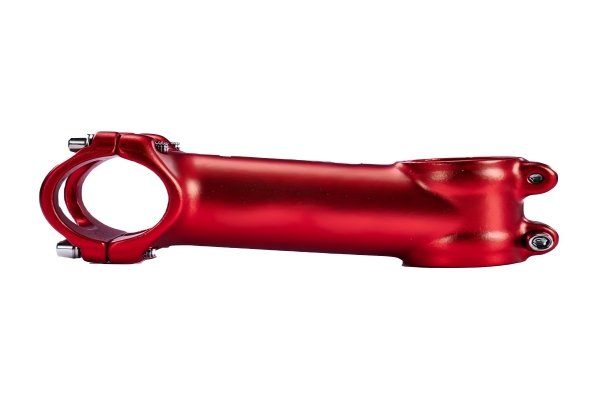
Anodizing
Anodizing grows a controlled oxide layer that resists corrosion and accepts dye. It is widely used for appearance and mild-protection parts. Our anodizing guide explains the process and design rules.
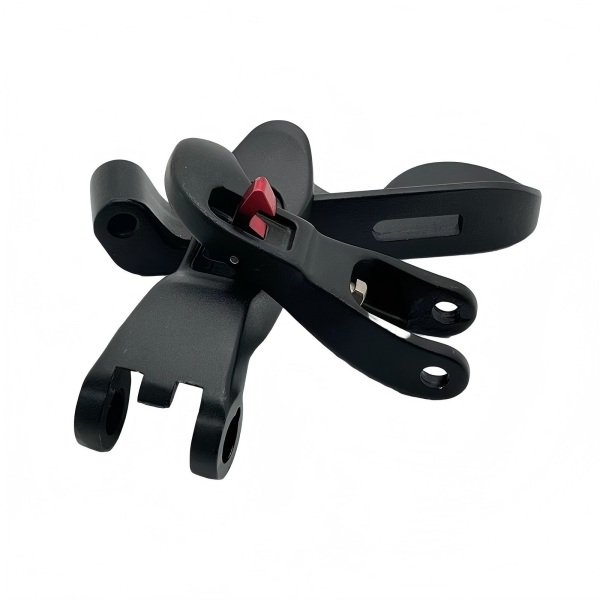
Powder Coating
Powder coating delivers a thick, uniform, colorful film with strong adhesion—good for housings and consumer-facing parts.
Polishing and Brushing
Mechanical polishing or brushing creates a decorative look and can reduce surface stress risers. These are usually followed by a clear sealant.
Choosing the Right Finish
- Outdoor structural → anodizing or powder coating;
- Wear contact → hard anodizing;
- Decorative → polish + clear coat.
About Guangdong XinPingFu: Based in Shenzhen, China, Guangdong XinPingFu provides forged aluminum parts with in-house finishing options including anodizing and CNC-precision surfaces, supported by ISO9001 certification and a 99.7% qualified rate. Contact us to specify the finish your application needs.