DRAWING-LED OEM ENQUIRIES · BICYCLE COMPONENTS
Fork Crowns in Forged Aluminium for OEM Bicycle Brands
A fork crown is the structural aluminium part that joins the steerer to the fork legs. XPF manufactures custom fork crowns by forging and CNC machining, and can open tooling from your drawing or sample.
This page is the brief for the crown. Complete forks, steerer tubes and headset cups can also be quoted from a drawing or sample; they will be covered on later pages so this one stays on a single focus term.
Send Fork Crown Drawings Check the Drawing Requirements
1-day quote · 3-day samples, subject to project confirmation. Tooling and production lead times are quoted per project.
What This Fork Crown Page Covers
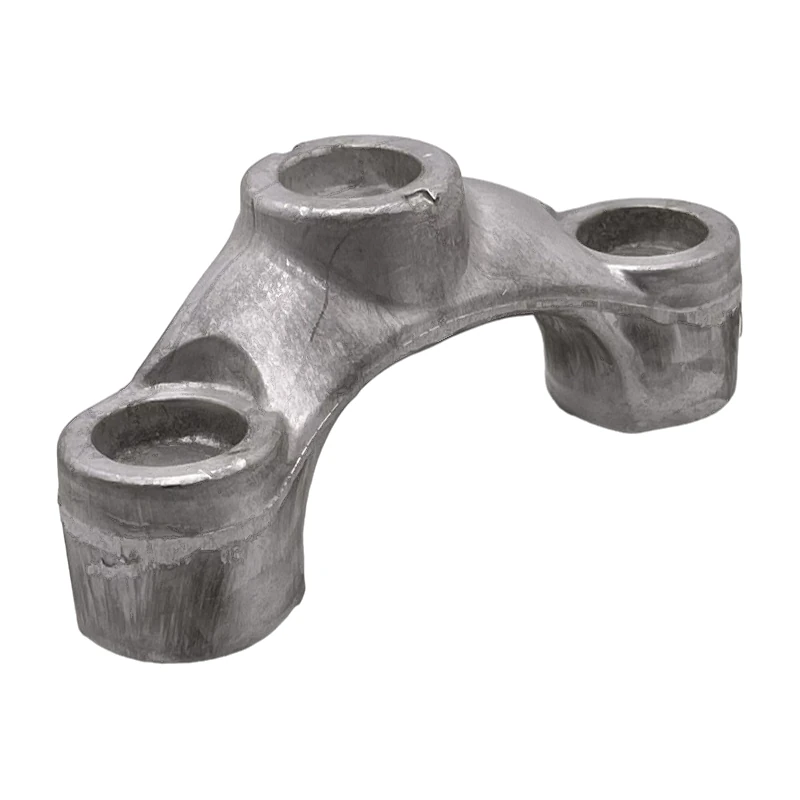
This page is for the aluminium fork crown: the part that joins the steerer to the fork legs or stanchions. Complete forks, steerer tubes and headset cups can also be manufactured from your drawing or sample and will be added as separate pages in due course, so they are not treated as additional focus terms here.
Steerer interface
Show the steerer-bore diameter and fit, any race or stop face that belongs on this component, and how the steerer is fixed. A stem clamp size on a handlebar drawing is not a substitute for the crown’s own steerer data.
Leg and stanchion bores
For a suspension fork crown, specify both leg-bore diameters, centre distance, clamp slots or pinch geometry, and which features are machined after forging. For a rigid crown, define the blade or leg sockets in the same way.
Offset and clearance
Include offset or rake at the crown, crown height, brake or accessory mounts that sit on this part, and clearance to the wheel and neighbouring frame parts.
Why Forging a Fork Crown Is Worth Reviewing
A fork crown carries steering and front-wheel loads through the arms between its bores. Where the section and quantity support it, a near-net forged blank plus CNC is worth comparing with machining the same shape from solid.
Grain through the arms
Closed-die forging can be reviewed so the aluminium grain follows the arms between the steerer and the leg bores, instead of being cut across in a heavily pocketed billet.
Near-net shape before CNC
A forged blank can reduce the volume of metal removed at the machine, which matters on a thick, offset fork crown. Any saving depends on the design, tooling and annual quantity; it is not guaranteed.
Bores finished to the drawing
Critical bores, faces, slots and threads are CNC-machined to the approved drawing. Spacing, parallelism and fits must be written on that drawing, not inferred from a photo or a generic fork size.
Dimensions That Make the Quotation Useful
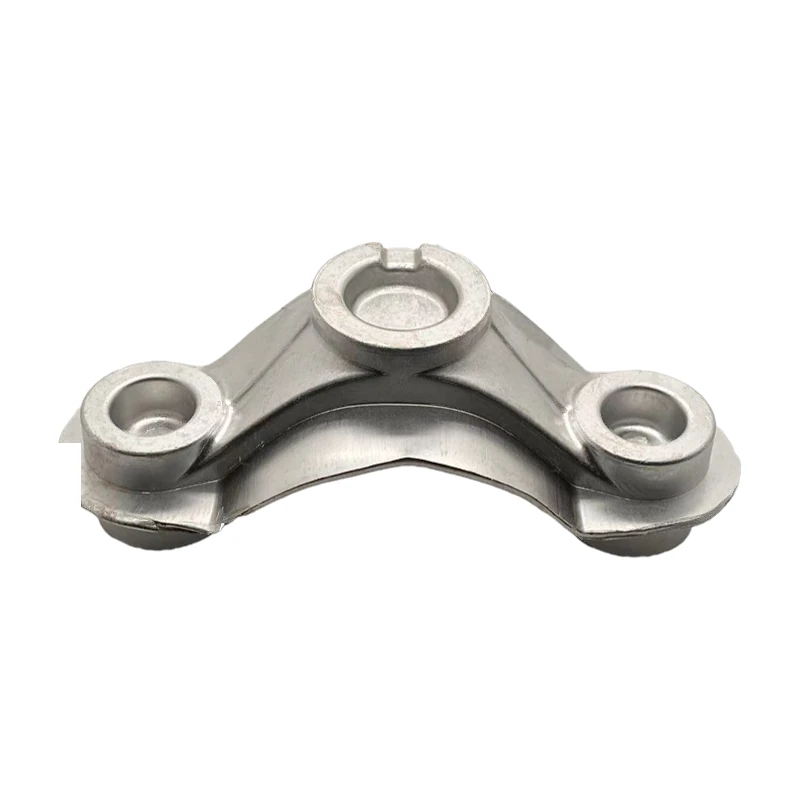
Provide a STEP or IGES model with a dimensioned PDF or DWG and the drawing revision. A sample can support tooling and discussion when a model is not yet available; it does not replace approved dimensions once the design is fixed. Use a common datum system across the crown and the mating steerer and legs.
| Feature | What to provide | Why it matters |
|---|---|---|
| Steerer bore | Diameter, fit, length, any race or stop face, and how the steerer is retained. | Stops a visual “tapered steerer” note being treated as a manufacturing specification. |
| Leg or stanchion bores | Diameters, fits, centre distance, clamp slots or sockets, and which features are machined. | Defines whether the fork crown can be quoted as one part with controlled spacing. |
| Offset and height | Signed offset or rake, crown height, and the measurement condition. | Prevents a flat outline being mistaken for the installed front-end geometry. |
| Mounts on the crown | Brake, fender or accessory bosses that are part of this component, with datums and threads. | Keeps mounts that only clamp to a finished assembly out of this particular quotation. |
| Material and finish | Alloy and temper if known, cosmetic faces, masking, and whether fits apply before or after finishing. | Makes appearance and dimensional acceptance part of the quote, not a later assumption. |
Alloys, Finishes and Related Programmes
6061, 6063, 6082 and 7075 are within the enquiry scope for forged and CNC-machined aluminium parts. Your responsible engineer should specify the alloy and temper, or the service conditions for a material review. 6063 is often considered where decorative anodising matters; structural use still depends on the section and duty. No alloy is automatically right for every fork crown.
Anodising, hard anodising or bead blasting can be reviewed against the specified alloy and appearance requirements. Define colour, masking and cosmetic faces in the request. Finishing is quoted with the project; this page does not treat it as an in-plant default for every crown.
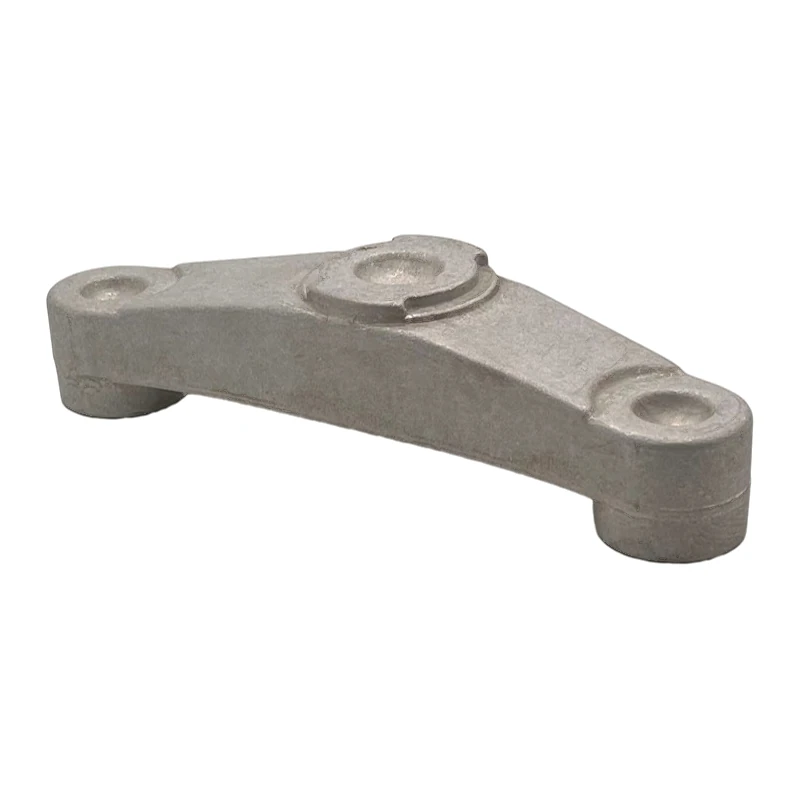
The same drawing-led route is used for other bicycle, motorcycle, spin-bike and adaptive-bike structural parts. Those programmes keep their own pages, so this fork crown brief stays on one focus term:
See also forged e-bike motor mounts, the bicycle stem manufacturers guide, motorcycle CNC parts, the forged bicycle components overview, and the XPF homepage. Send files through request a manufacturing review.
Fork Crown FAQ
What is a fork crown?
A fork crown is the structural part that joins the steerer tube to the fork legs or stanchions. On a suspension fork it usually carries a central steerer bore and two leg bores; on a rigid fork it forms the junction between the steerer and the blades. This page is the brief for that aluminium part.
Do you manufacture complete bicycle forks?
Yes. Complete bicycle forks, steerer tubes and headset cups can also be quoted from your drawing or sample, including custom tooling where the project requires it. This page stays on the fork crown so those related parts can be developed on their own pages later, rather than competing for the same brief.
Is a bicycle fork crown the same as a motorcycle triple clamp?
No. A bicycle fork crown and a motorcycle triple clamp can look related, but they belong to different assemblies and drawings. Motorcycle triple clamps are quoted on their own page. Do not treat one component as a substitute for the other.
Can you forge a suspension fork crown to our drawing?
Yes. A closed-die forged blank followed by CNC can be reviewed when the section, bore spacing and quantity support it, and we can open custom tooling from your drawing or sample. Feasibility, the manufacturing route and supply scope are confirmed after we see the complete requirements.
Which aluminium alloys can be quoted?
6061, 6063, 6082 and 7075 are within the enquiry scope for forged and CNC-machined aluminium parts. Provide the alloy and temper required by your responsible engineer, or the service conditions for a material review. No alloy is automatically suitable for every fork crown.
What should the drawing include?
Send a STEP or IGES model with a dimensioned PDF or DWG, or a physical sample if a model is not yet available. Include steerer-bore and leg-bore diameters and fits, centre distance, offset, crown height, clamp slots or sockets, brake or accessory mounts on the crown, datums, finishing and inspection requirements, and expected annual quantity.
Can the steerer and stanchion bores be CNC-machined after forging?
Yes, where that route is agreed. Critical bores, faces, slots and threads are CNC-machined to the approved drawing after the forged blank is produced. Bore spacing, parallelism and fits must be stated on the drawing; they are not assumed from a photograph or a generic fork size.
Can you also make headset cups, steerer tubes or a complete fork?
Yes. Headset cups, steerer tubes and complete forks can be quoted from your drawing or sample, including custom tooling where required. This page focuses on the fork crown; those related parts will be covered on later dedicated pages so they do not compete with this brief. If a crown race is a separate bearing seat, identify it on its own drawing so it can be reviewed clearly.
Can the fork crown be anodised?
Anodising, hard anodising or bead blasting can be reviewed against the specified alloy and appearance requirements. Define colour, masking, cosmetic faces and whether fit dimensions apply before or after finishing. Finishing is quoted as part of the project; it is not a substitute for the mechanical specification.
What are the quotation and sample timings?
The service timing is a 1-day quote and 3-day samples, subject to confirmation of the drawing, route, material, finish and sample feasibility for the project. Tooling and production lead times are quoted per project. This is a custom manufacturing enquiry, not a stock catalogue dispatch.
Send Your Fork Crown Drawing
Upload STEP/IGES and PDF/DWG files, or tell us you are sending a sample, plus annual and batch quantities, material and temper if known, and the interface requirements above.
- Steerer and leg-bore diameters, fits and centre distance
- Offset, crown height and datums
- Clamp slots, sockets and mounts that belong on this part
- Finish, masking and inspection requirements
- Expected quantity and any current machined-from-solid route for comparison
Request a Manufacturing Review
Quotation and sample timings are confirmed after we have the information needed to review this fork crown. This is a custom manufacturing enquiry made to your drawing or sample.