

Telecom gear lives outdoors and on towers, so enclosures must be light to mount, rigid to hold shape, and conductive enough to shed heat. Aluminum forging for telecom meets all three, which is why it shows up in 5G enclosures, brackets, and heat sinks.
Why Forged Aluminum for Telecom
Cast aluminum can shrink in thin, large enclosures; extrusions can’t make complex 3D shells. Forged aluminum is dense and dimensionally stable, suiting the consistency telecom equipment demands. Our 5G communication coverage details enclosure use cases.

Heat and Weight Together
Aluminum conducts well; forged parts with no porosity keep the heat path continuous. Making fins and the shell one forging cuts weight and removes interface thermal resistance. See how surface finish improves weatherability.
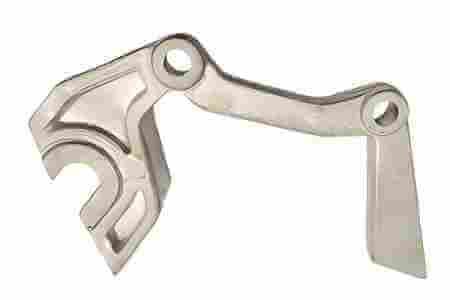
Common Forged Parts
- Antenna and RRU enclosures: rigidity, EMI shielding, light weight;
- PA heat sinks: rely on forged thermal continuity;
- Tower-top brackets: wind loads favor forged toughness;
- Filter cavities: tight tolerance, near-net to cut machining.
Process Fit
Near-net forging reduces machining on thin-wall telecom parts. The process steps guide explains where material is saved.
About Guangdong XinPingFu: Based in Shenzhen, China, Guangdong XinPingFu runs 6 forging presses (300T–2500T) and 12 CNC centers under ISO9001 with 99.7% qualified rate, supplying telecom enclosures, brackets, and sinks from forging through finish machining.