

Aluminum forging is a mature process, but it keeps evolving. Understanding the aluminum forging future trends helps buyers and engineers plan longer-term sourcing and design. Here are the directions that matter.
Lightweighting Pressure
As automotive and aerospace push emission and range targets, demand for high-strength light parts keeps rising. Forging’s grain-flow strength makes it hard to replace for safety parts.
Near-Net-Shape and Less Machining
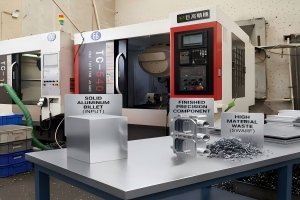
Shops invest in better dies and simulation to forge closer to final shape, cutting CNC time. Our process steps guide shows where machining fits today.
Automation and Digital Traceability
Presses and inspection are increasingly automated, with batch-level data for regulated industries. Our quality inspection guide reflects this discipline.
New Alloys and Hybrid Parts
More use of 2xxx and 7xxx series, plus forged-and-bonded hybrids, expand where aluminum can replace steel.
About Guangdong XinPingFu: Based in Shenzhen, China, Guangdong XinPingFu operates 6 forging presses (300T–2500T) and 12 CNC centers under ISO9001 with 99.7% qualified rate, continuously upgrading dies and inspection to meet next-generation forging needs.