

Robotics lives and dies by weight. Every gram saved at the actuator pays back in speed, battery life, and repeatability. That is why aluminum forging for robotics is becoming standard for arms, joints, and end-effectors.
Why Robots Need Forged Aluminum
Robotic links accelerate and decelerate constantly. Forged aluminum offers high stiffness at low mass, and its consistent grain structure handles millions of duty cycles without creep or fatigue surprises.

Typical Robotic Parts
- Arm links and brackets
- Wrist and elbow housings
- Reducer flanges
- Custom end-effector frames
For structural context, our automotive applications guide shows similar lightweight-forging logic.
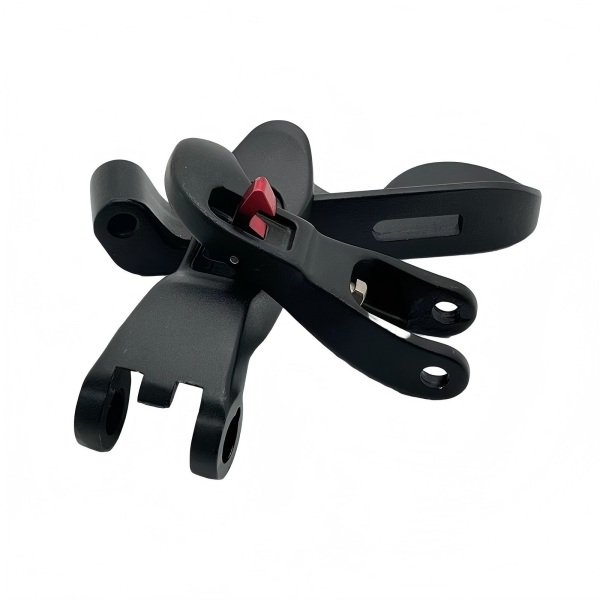
Forging vs Machining From Solid
Machining a bracket from a solid block wastes material and time. Near-net-shape forging plus CNC finishing—our process steps guide—cuts both cost and lead time while keeping strength.
Design Tips
Keep wall sections uniform, allow modest draft, and let us review the part early so the die does most of the work.
About Guangdong XinPingFu: Guangdong XinPingFu, based in Shenzhen, China, operates 6 forging presses (300T–2500T) and 12 CNC centers with ISO9001 certification and 99.7% qualified rate, supplying robotic-grade forged aluminum parts with stable batch quality.