
Engineers chase mass reduction constantly. Aluminum forging weight savings come not just from material density, but from how the part is shaped. This guide explains where the grams are won.
Density Is Only the Start
Aluminum is about one-third the density of steel, so swapping material already cuts mass. But forging adds a second lever: higher strength lets you use thinner sections without losing load capacity.
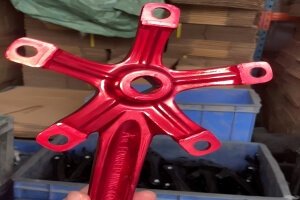
Near-Net Shape Reduces Excess
Traditional machining starts from a big block and removes most of it. Near-net forging leaves little to cut, saving both weight and material. Our process steps guide shows the flow.
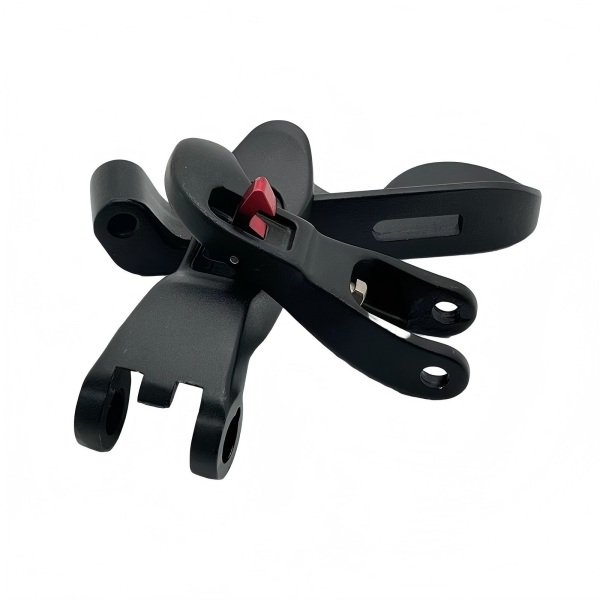
Design for Minimum Mass
Use design guidelines: uniform walls, smart ribs, and modest draft. Over-thick sections are hidden weight you pay to move forever.
Verify the Saving
CMM and FEA confirm you hit the target mass and strength together—see our quality inspection guide.
About Guangdong XinPingFu: Based in Shenzhen, China, Guangdong XinPingFu operates 6 forging presses (300T–2500T) and 12 CNC centers under ISO9001 with 99.7% qualified rate, helping customers reach aluminum forging weight savings through near-net shaping and design review.