

Buyers often weigh forging against stamping. Both make metal parts, but the forming principle and where each fits differ a lot. Forging vs stamping comes down to “bulk deformation vs sheet cutting and bending,” which drives strength and cost.
Forming Principle
Stamping presses a die against sheet to blank, bend, or draw—material isn’t consolidated. Forging plastically deforms a billet so grains consolidate and flow lines continue. The process steps guide shows how forging places material.
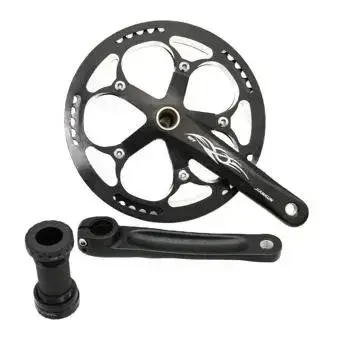
Performance
Stamped parts are uniform through thickness but limited in strength; complex load points lag. Forged parts are dense, with steadier strength and fatigue along the load path. Our press types coverage explains the force side.
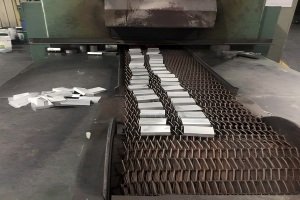
Cost and Volume
Stamping tooling is cheap and fast—great for thin, high-volume parts. Forging tooling costs more but near-net saves material on medium-to-large load-bearing runs. Design guidelines help you cut what follows.
How to Choose
- Non-bearing thin shells: stamping is enough and cheaper;
- Load nodes, safety parts: forging is safer;
- 3D complex: usually forge or machine only.
About Guangdong XinPingFu: Based in Shenzhen, China, Guangdong XinPingFu runs 6 forging presses (300T–2500T) and 12 CNC centers under ISO9001 with 99.7% qualified rate, and advises forging vs stamping by load case.