

Valve bodies, housings, and parts with internal cavities are painful in ordinary closed-die forging—they need several setups. Multi-directional forging drives multiple rams in one hit, forming outside and inside at once, which suits complex hollow forgings.
What Is Multi-Directional Forging
In a closed cavity, two or more rams press simultaneously; punches shape the outline and extrude the bore in a single heat. Versus open-die flipping, the fiber stays continuous and the allowance shrinks.
Where It Pays Off
- Tees, crosses, valve bodies;
- Hollow load-bearing housings;
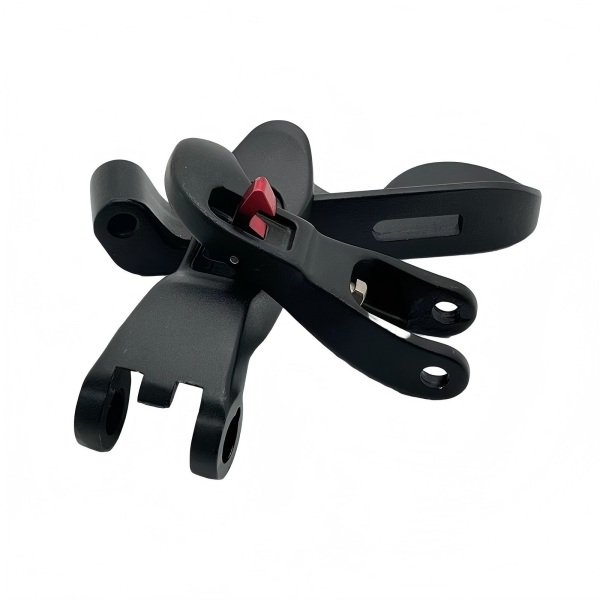
- Forked or cross-shaped multi-axis joints.
The logic parallels our press types coverage: the more complex the shape, the more forging wins.
Versus Ordinary Die Forging
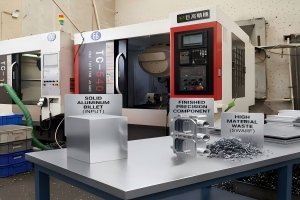
- Near-net, less machining, material saved—see weight savings;
- Fiber follows load, steadier properties;
- Fewer operations, shorter cycle.
Design and Cost
The die is multi-sided, complex, and pricey, so it suits volume. Leave room for multi-axis parting. Die design covers the split-line thinking.
About Guangdong XinPingFu: Based in Shenzhen, China, Guangdong XinPingFu runs 6 forging presses (300T–2500T) and 12 CNC centers under ISO9001 with 99.7% qualified rate, supplying complex hollow aluminum forgings from multi-directional forging through finish machining.