
When choosing material, strength and toughness lead. Forged aluminum properties usually beat the same alloy as-cast, because forging consolidates the structure and carries the fiber along the load. This note shows where the gap comes from.
Key Metrics
Four matter: tensile, yield, elongation, fatigue. Cast parts can match the first two but lag on elongation and fatigue; forgings are more balanced, especially under cyclic load. See our strength discussion for the load side.
Why Forging Is Better
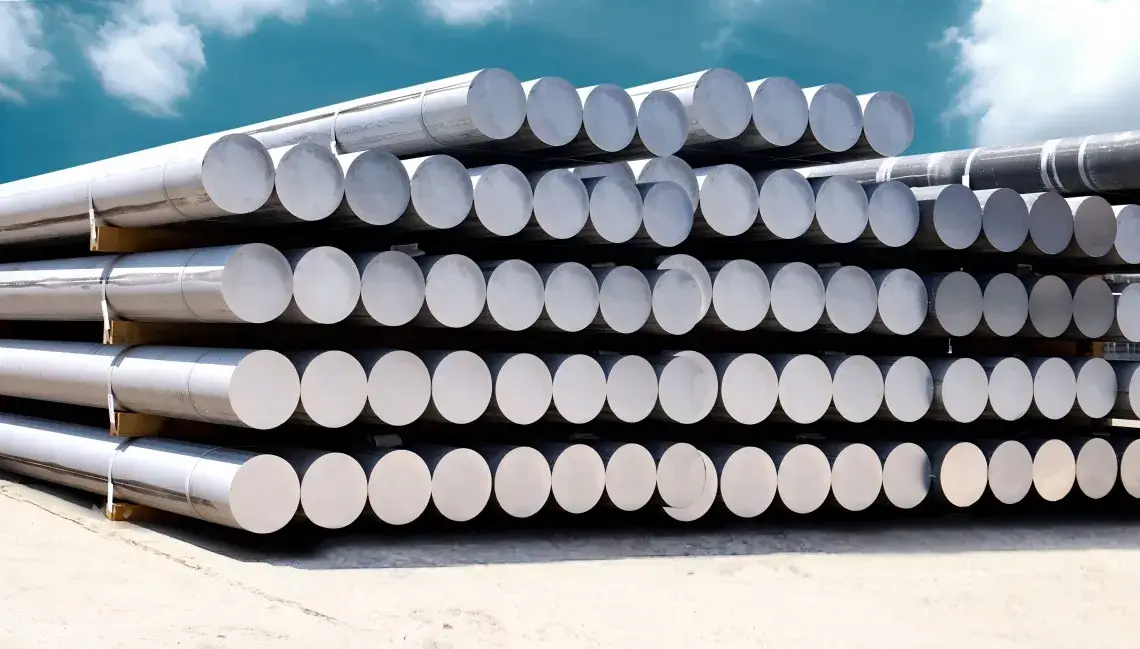
Plastic deformation welds porosity shut and carries grains into continuous flow lines along the contour, so the weak plane is no longer across the load. Casting keeps dendrites and possible shrinkage—more weak points.

Alloy Positioning
- 6061: balanced, moderate strength, easy to machine—see material selection;
- 6082: a bit higher strength for structures;
- 7075: high strength, aerospace and heavy load.
Design Values
Quote forged properties by fiber direction—longitudinal and transverse differ; heat-treat state (T6 etc.) sets the final numbers. The process steps guide places heat treatment in the chain.
About Guangdong XinPingFu: Based in Shenzhen, China, Guangdong XinPingFu runs 6 forging presses (300T–2500T) and 12 CNC centers under ISO9001 with 99.7% qualified rate, delivering forged aluminum parts with reliable, direction-aware properties.