
High-copper 2xxx series alloys—2014, 2024, 2219—deliver top strength but are hard to cast and prone to cracking. Forging high-copper aluminum alloys closes porosity and aligns the grain, turning that strength into reliable load capacity for aerospace and structural parts.
Why Forge Instead of Cast
Copper raises strength but lowers casting fluidity, so 2xxx casts tend to shrink and hot-crack. Forging welds the porosity shut and carries the fiber along the contour, giving better toughness than the as-cast part.

Common Alloys
- 2014: moderate strength, heat resistance, structural frames;
- 2024: good fatigue, aircraft skin and joints;
- 2219: weldable and cryo-friendly, favored for tanks.
Our material selection guide maps alloy to load case.
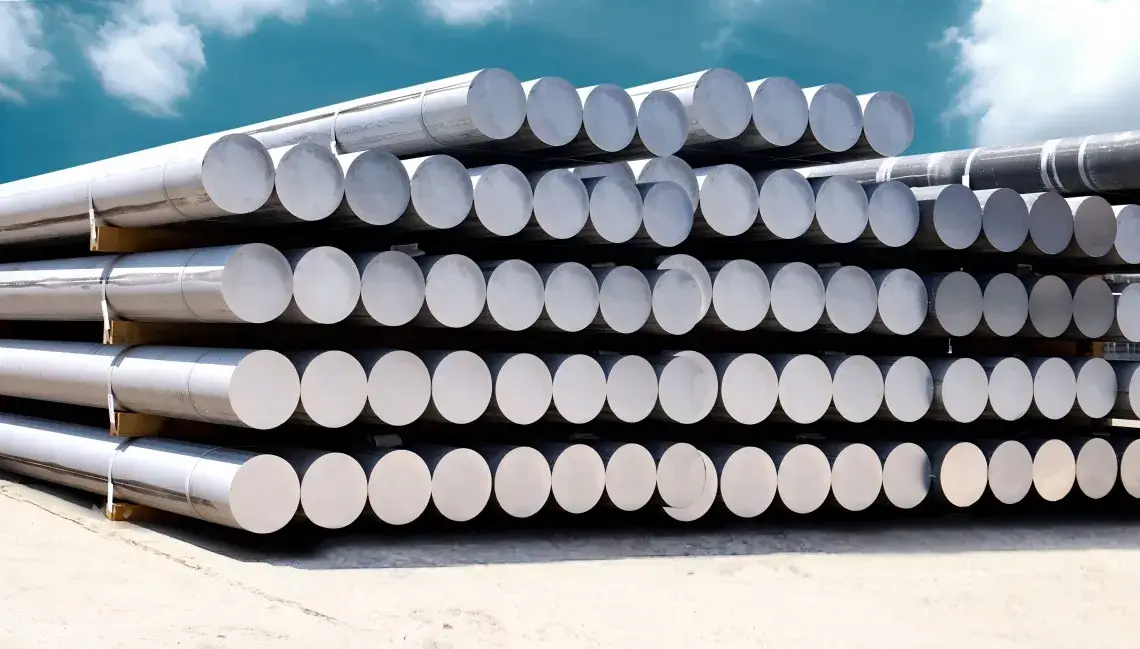
Forging Notes
2xxx is sensitive to temperature: too hot risks burning, too cold raises deformation force. Hot forging plus aging is typical. The process steps guide shows where heat fits in.
Heat Treatment
Solution plus aging unlocks strength; the fiber direction sets the fatigue weak plane. See our mechanical property notes for how finish affects performance.
About Guangdong XinPingFu: Based in Shenzhen, China, Guangdong XinPingFu runs 6 forging presses (300T–2500T) and 12 CNC centers under ISO9001 with 99.7% qualified rate, forging high-copper aluminum alloys from billet through finish machining.