

EVs live and die by range, so battery structures, chassis, and motor housings all chase mass. Aluminum forging for new-energy vehicles earns its place where strength and consistency matter most.
Where EV Builders Forge
- Battery pack beams and trays: carry cells, need stiff yet light;
- Subframes and control arms: chassis loads favor forged toughness;
- Motor housings and end caps: stable size, good heat path;
- HV connector brackets: small but critical.
See our automotive coverage for shared load logic.
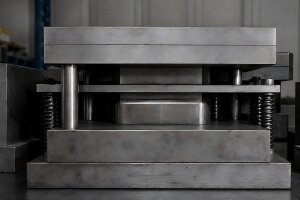
Forge Over Cast
Cast aluminum is great for thin complex shells, but highly loaded parts want fatigue and toughness—forged aluminum is denser and steadier. Our weight savings view explains why mass matters.
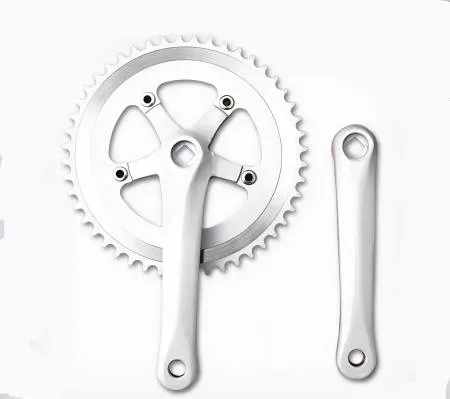
Battery Structure Notes
Pack parts must hold stiffness, crash energy, and light weight. Near-net forging cuts machining and keeps consistency; the process steps guide shows where material is placed.
Forge vs Die Casting
Large thin shells lean die cast; highly loaded nodes lean forge. The two complement, not replace, each other.
About Guangdong XinPingFu: Based in Shenzhen, China, Guangdong XinPingFu runs 6 forging presses (300T–2500T) and 12 CNC centers under ISO9001 with 99.7% qualified rate, supplying EV battery and chassis forgings through finish machining.