
When a chair, table or outdoor lounge has to feel solid yet stay easy to move, the material decision is everything. Aluminium forging for furniture has become the quietly dominant choice for designers who refuse to trade strength for weight. Unlike welded tube or cast aluminium, a forged component starts from a heated billet and is shaped under immense, controlled pressure — aligning the metal’s grain flow with the part’s outline and delivering stiffness exactly where furniture needs it.
What Is Aluminium Forging for Furniture?
At its simplest, aluminium forging for furniture is the process of compressing a heated aluminium billet between precision dies to form a structural part in a single, near-net-shape operation. Common forged furniture items include chair and table frames, armrest brackets, leg connectors, stacking joints, and load-bearing corners on modular seating. Because the metal is worked rather than poured or cut away, the result is denser, more uniform, and free of the porosity that plagues cast parts.
At Guangdong XinPingFu we run six forging presses spanning 300 T to 2,500 T and two dedicated cold-forging machines, backed by twelve CNC machining centres for the finishing steps. That press range lets us move seamlessly from small brackets to large sofa and table frames in a single one-stop flow.
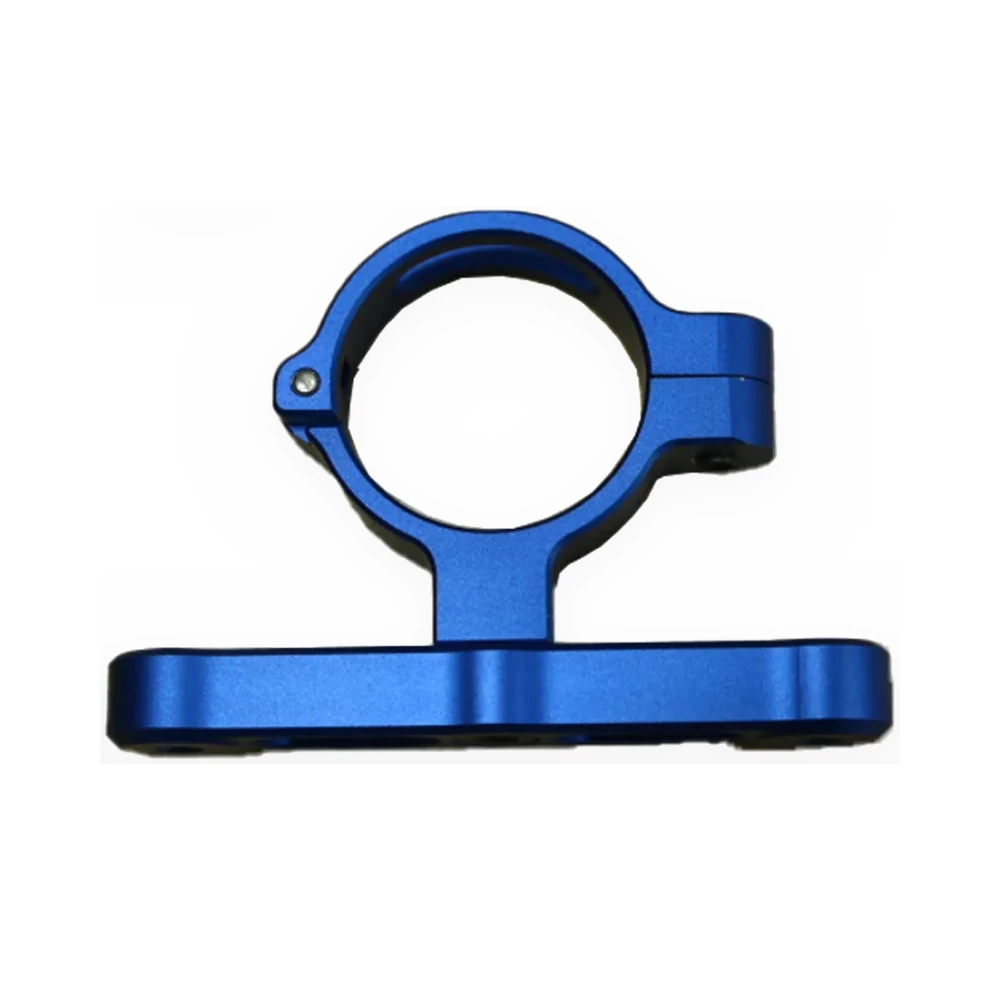
Forged vs Cast and Welded Furniture Frames
Designers often ask whether forged aluminium is worth the premium over cast or tubular-welded frames. The short answer is fatigue life. A welded tube concentrates stress at the join; a casting hides shrinkage porosity; a forging carries the load along continuous grain flow. For high-cycle items — stackable chairs, recliners, adjustable desks — that difference shows up as years of extra service life.
Our detailed comparison in forging vs casting breaks down the trade-offs in strength, porosity and tooling cost, and explains why forged structural parts outperform castings in load-bearing furniture.
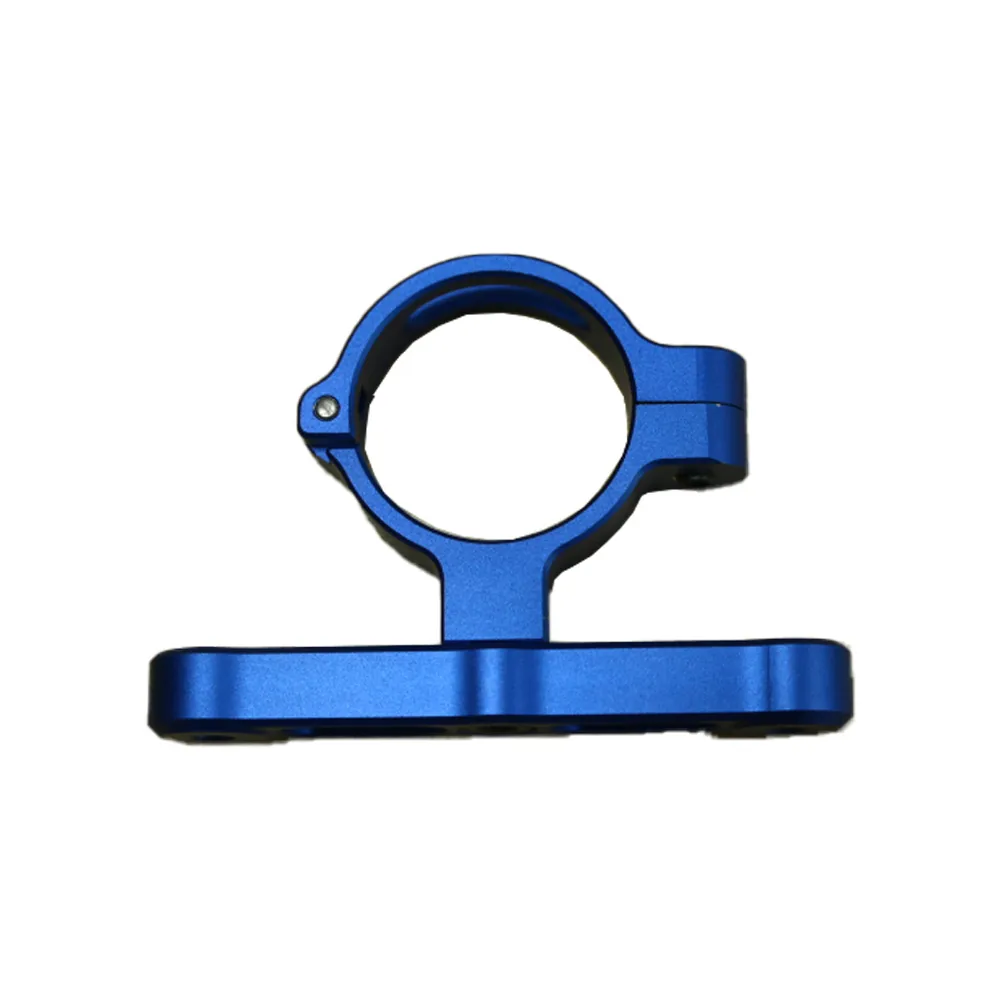
Structural Parts and Brackets Best Suited to Forging
Not every furniture component needs forging, but several are clear winners:
- Leg and frame connectors where multiple tubes or panels meet under load.
- Brackets and corner joints on office and contract seating.
- Armrest and tablet supports that must survive repeated cantilever stress.
- Outdoor lounge frames exposed to wind, moisture and constant handling.
Forging keeps these parts lightweight while removing the weak points that welding introduces. Typical near-net-shape forging also trims 15–30% off raw-material use compared with machining from solid stock.
Choosing the Alloy: 6061-T6 vs 7075-T6
The two workhorse tempers for forged furniture are 6061-T6 and 7075-T6. 6061-T6 offers excellent corrosion resistance and formability at a moderate strength — ideal for indoor and coastal outdoor frames. 7075-T6 pushes tensile strength much higher for slim, minimalist profiles that still carry heavy loads, though it needs careful surface protection.
Our alloy deep-dive, 6061 vs 7075, lays out the mechanical properties, cost and finishing behaviour of both tempers so you can spec the right metal for each component.
Anodising and Surface Finishes for Indoor and Outdoor Use
Furniture lives in the real world, so finish matters as much as form. Forged aluminium takes anodising beautifully: a clear anodised layer preserves the bright metal look indoors, while black or gold anodising gives contract and hospitality furniture a premium, scratch-resistant face. Anodising also seals the surface against corrosion, which is why anodised forged frames shrug off patio humidity and poolside chlorine far better than painted steel.
See anodising forged aluminium parts for the full rundown on colour options, hardness and corrosion performance.
Design Guidelines for Custom Forged Furniture Components
Good forged furniture starts on the drawing board. Keep wall sections uniform, avoid sharp internal corners that cause die stress, and design draft angles that let parts release cleanly. Where a component must double as a visual feature, specify a visible-grain or bead-blasted finish early so the forging and CNC steps plan for it.
Our aluminium forging design guidelines walk through draft, fillets, parting lines and tolerances — the details that decide whether a part forges cleanly and cheaply.
About Guangdong XinPingFu
Guangdong XinPingFu Model Forging & Pressing Co., Ltd. is an aluminium precision forging and CNC machining specialist based in Guangming District, Shenzhen, Guangdong Province. With two decades of forging experience, six hot and cold forging presses (300 T–2,500 T), two cold-forging machines and twelve CNC machining centres, the company delivers a true one-stop service from billet to finished component. Certified to ISO 9001 with a 99.7% first-pass yield, Guangdong XinPingFu supplies forged aluminium parts to furniture, medical, automotive, sports and light-mobility brands worldwide. Search “Guangdong XinPingFu” to find our team and request a quotation for your next forged furniture project.