
When a component must survive humidity, salt spray, and daily handling while still looking refined, anodizing forged aluminium parts is one of the most cost-effective surface treatments available. Forging already gives aluminium a dense, continuous grain flow with far fewer internal voids than casting, and anodizing builds a hard, integral oxide layer directly on that surface. Together they deliver corrosion resistance, measurable surface hardness, electrical insulation, and a consistent colored finish that paint simply cannot match. This guide explains how anodizing works on forgings, how to choose the right process, why alloy selection matters, and what to specify on a drawing so your parts come out right the first time.
What Is Anodizing and Why Forged Aluminium Benefits
Anodizing is an electrochemical process that converts the natural aluminium oxide film on a part into a thicker, controlled, and durable oxide layer. Unlike painting or powder coating, the layer is not applied on top of the metal — it grows from the metal itself, so it cannot chip, peel, or flake. For anodizing forged aluminium parts, this matters more than it does for castings: a forged surface is denser and free of the porosity and cold shuts common in die castings, so the anodic film forms uniformly and the finished part reads as clean and high-end.
The oxide layer does three things at once. First, it seals the aluminium against corrosion, dramatically slowing the white-powder oxidation that untreated alloy shows in humid or marine environments. Second, a Type III hardcoat layer can reach surface hardness comparable to hardened tool steel, which protects against scuffing and abrasion. Third, the porous outer layer can be dyed in black, gold, blue, red, or left natural, giving designers a premium, fingerprint-resistant appearance. For a deeper look at why the underlying forging already outperforms machined stock, see our note on whether forged aluminium is stronger than CNC-machined aluminium.
Type II vs Type III (Hardcoat): Choose the Right Anodizing
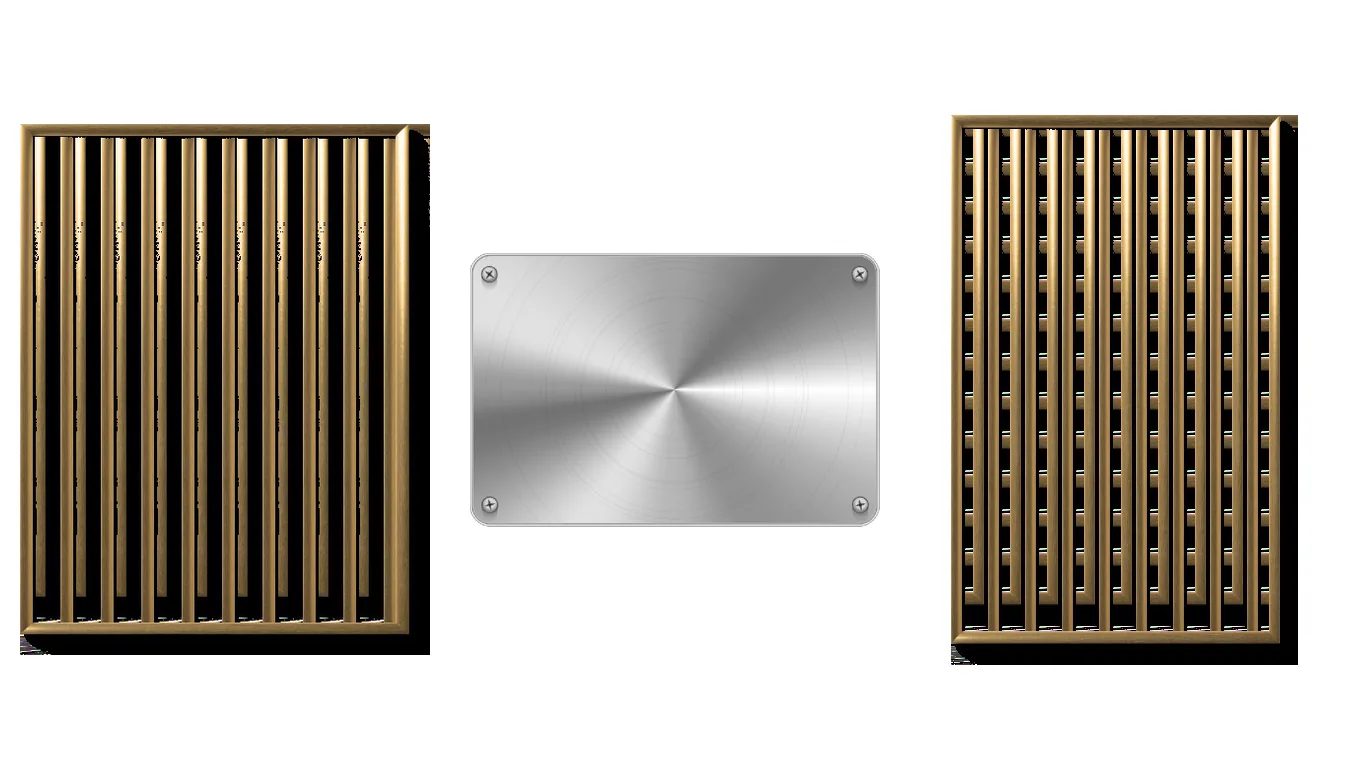
Most buyers meet two anodizing specifications. Type II (sulfuric acid anodizing) produces a 5–25 µm decorative and moderately protective coating — ideal for consumer products, enclosures, and architectural trim where looks and basic corrosion resistance are the priority. Type III, also called hardcoat anodizing, builds a 25–100 µm (often 50 µm+) dense ceramic-like layer with much higher wear and abrasion resistance, used on hydraulic components, valve bodies, and heavily handled structural parts.
For anodizing forged aluminium parts, the choice comes down to duty cycle. If the part is mostly seen and lightly touched, Type II with a dye is enough and cheaper. If it slides, seals, or takes mechanical load, choose Type III and specify the minimum thickness and sealed hardness. Either way, the forging’s grain structure gives the coating a more uniform foundation than a cast or machined-from-plate blank would.
Why 6061 Anodizes Better Than 7075
Alloy choice decides how clean the finished color looks. 6061 is the workhorse for anodizing: it contains little copper, so it takes a bright, even, and predictable natural or dyed finish. 7075, by contrast, carries roughly 1.5% copper for strength; that copper makes the anodic film appear darker, less consistent, and harder to dye to a uniform tone. If the priority is a premium colored surface, 6061 is usually the right call, while 7075 is reserved for applications where peak strength outweighs appearance.
We covered the strength, machinability, and finishing trade-offs between these two alloys in detail in our comparison of 6061 versus 7075 forging stock. When a project demands both high strength and a flawless anodized look, we often forge in 7075 for the core section and use 6061 for visible, anodized trim — or advise early on which property to optimize.
Design Guidelines for Anodized Forgings
Good anodizing starts on the drawing. Because the oxide layer adds a few microns and grows slightly into the surface, critical dimensions should be called out either before anodizing (with the finish applied afterward) or with a post-anodize tolerance band. Sharp external corners tend to build a thicker, darker coating than radiused ones, so specify generous radii — 0.5 mm minimum, 1 mm preferred — on visible edges for an even tone.
Threads smaller than about M3 can seize or fill if hardcoated; mask them or roll them after anodizing. Avoid deep, narrow blind pockets where the electrolyte cannot circulate evenly. And remember that marks from machining or handling before anodizing will be magnified by the dye, so forgings destined for a colored finish should be handled cleanly and deburred before they enter the anodizing line. Our full aluminium forging design guidelines cover draft angles, fillets, and tolerances that keep both the forging and the finish predictable.
The Process Chain: Forging, CNC Machining, Then Anodizing
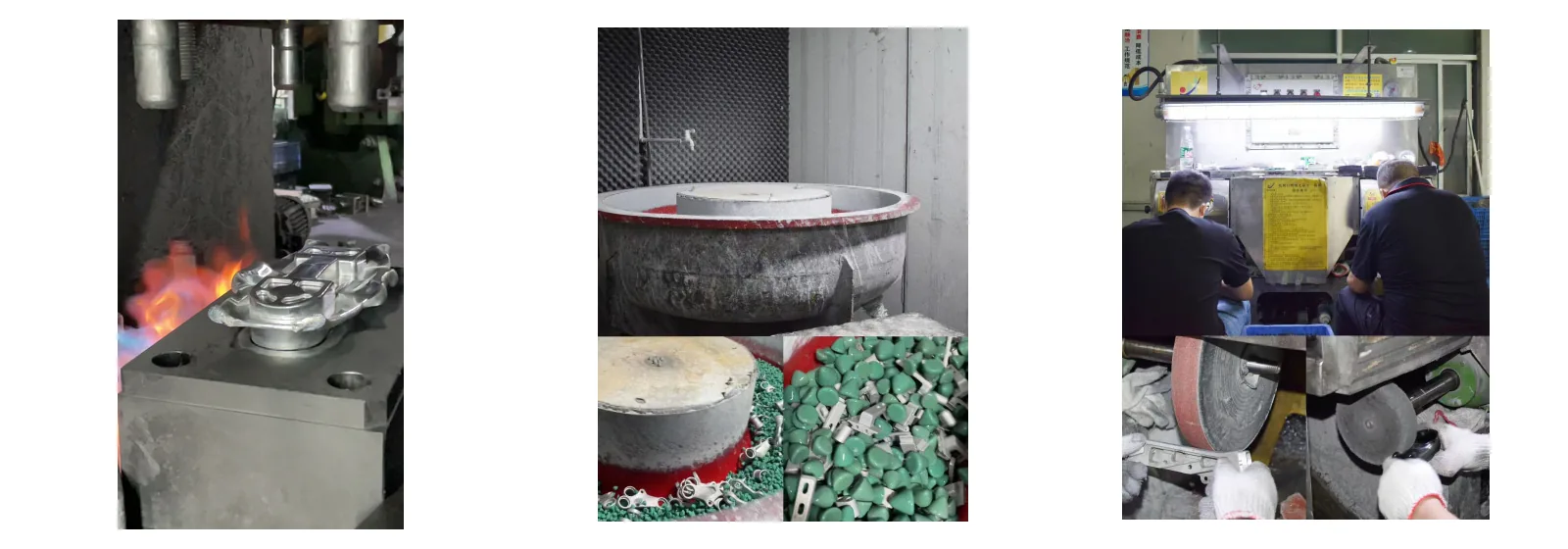
Anodizing sits at the end of a tightly controlled chain. It begins with hot forging on presses ranging from 300T to 2500T, which aligns the grain flow along the part’s load path. The near-net forged blank then moves to CNC machining — we run 12 CNC centers for finishing, drilling, and threading — to reach final geometry. The economic case for starting from a forged blank rather than machining from solid billet is even stronger once you factor in the anodizing step, since less material is removed and less exposed grain boundary is created. Only after the part is dimensionally complete does it go through cleaning, desmutting, anodizing, coloring, and sealing.
Holding machining and anodizing under one roof removes the handoffs that cause contamination and inconsistent coatings. Because we work from billet through forging, CNC, and finishing as a single process, we can tune the surface roughness before anodizing so the dyed layer reads evenly. The same billet-to-finish discipline applies whether the part ends up clear-anodized for a medical enclosure or hardcoated for an aerospace bracket.
Where Anodized Forged Parts Are Used
The combination of strength, light weight, and a sealed surface shows up across demanding industries. In medical devices, clear or black anodized 6061 housings and brackets resist repeated sterilization and cleaning without corroding. Aerospace brackets and actuator components rely on hardcoat for wear resistance while shedding grams versus steel. Consumer and sports hardware — from bicycle cranks to fitness equipment — use colored anodizing for brand identity and grip without added weight.
Anodized forgings also earn their place in optical equipment, where a matte black finish cuts reflections, and in marine or outdoor structural parts where the sealed layer resists salt corrosion. For any application where a part must be light, strong, and good-looking for years, anodizing forged aluminium parts is a proven answer.
How Guangdong XinPingFu Controls Anodizing Quality
At Guangdong XinPingFu, anodizing is not a black box — it is the final, measured step of an integrated forging and machining process. Our operation runs 6 forging presses (300T–2500T), 2 cold-forging machines, and 12 CNC machining centers, all under an ISO 9001:2015 quality system with a documented pass rate around 99.7%. Before any part is anodized we verify alloy, surface condition, and critical dimensions, and after sealing we check coating thickness, dye uniformity, and salt-spray performance.
If you are specifying a component that needs corrosion resistance, surface hardness, or a consistent colored finish, talk to our engineering team early. We will help you choose the alloy, the anodizing type, and the tolerances so your anodized forged aluminium parts arrive correct the first time — and we can take your program from billet to finished, anodized part without outside handoffs.
About Guangdong XinPingFu
Guangdong XinPingFu (广东鑫平富模锻锻压有限公司) is an aluminium precision forging and CNC machining manufacturer based in Guangming District, Shenzhen, Guangdong Province, China, with two decades of experience in die forging, cold forging, and finished-component supply. We operate 6 forging presses (300T–2500T), 2 cold-forging machines, and 12 CNC machining centers, and we hold ISO 9001 certification with a 99.7% first-pass quality rate. From billet selection and forging to CNC finishing and anodizing, we deliver lightweight, high-strength aluminium components for medical, aerospace, automotive, sports, and industrial customers worldwide. To discuss your next project, search “广东鑫平富” or contact our team directly.