The global shift toward renewable power and electrified transport has turned battery energy storage systems (BESS) into one of the fastest-growing hardware markets of the decade. Behind every containerized storage unit, commercial battery cabinet and residential storage bank sits a skeleton of load-bearing structural metal that must remain rigid, dimensionally stable and corrosion-resistant for 10 to 20 years of outdoor service. Aluminium forging for battery energy storage has become a preferred manufacturing route for these critical parts — mounting brackets, busbar supports, enclosure frames and cooling-plate structures — because forged 6061 and 7075 aluminium deliver strength-to-weight ratios that stamped steel or die-cast parts struggle to match at the same mass budget.
Why Battery Energy Storage Systems Demand More from Structural Metals
A storage system is not a static box. It is moved by truck, lifted by crane, bolted to rooftops and exposed to humidity, salt spray and daily temperature cycling. The structural metal must therefore satisfy four competing demands at once: low weight for transport and rooftop loading limits, high stiffness so cell stacks are not crushed, fatigue resistance under decades of thermal expansion and contraction, and corrosion immunity without heavy maintenance. Aluminium forging for battery energy storage answers all four by combining a density roughly one-third that of steel with a continuous, defect-controlled grain structure.
Key Forged Aluminium Components in BESS
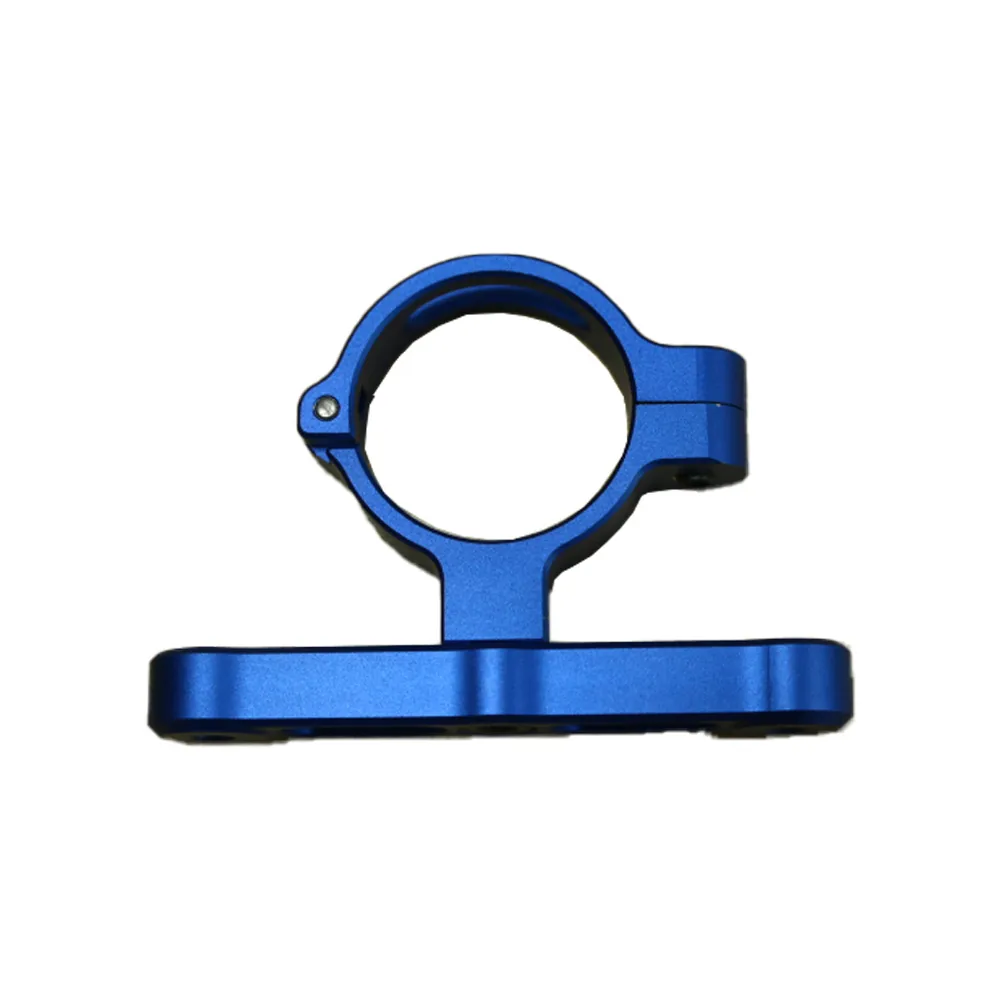
Forged aluminium appears wherever a load path meets a safety-critical function:
- Battery module mounting brackets that lock cell groups into the enclosure without adding steel mass.
- Busbar support holders that keep high-current conductors isolated and vibration-proof.
- Enclosure and cabinet frames providing the rigidity of a welded steel frame at a fraction of the weight.
- Cooling-plate support structures that seat liquid-cooling plates precisely against cell surfaces.
- Cell-compression end plates maintaining uniform clamping force across the stack.
Each of these parts benefits from the near-net shape of forging, which minimizes the machined waste typical of cutting the same bracket from a solid aluminium block.
Alloy Selection: 6061 and 7075 for Battery Structures
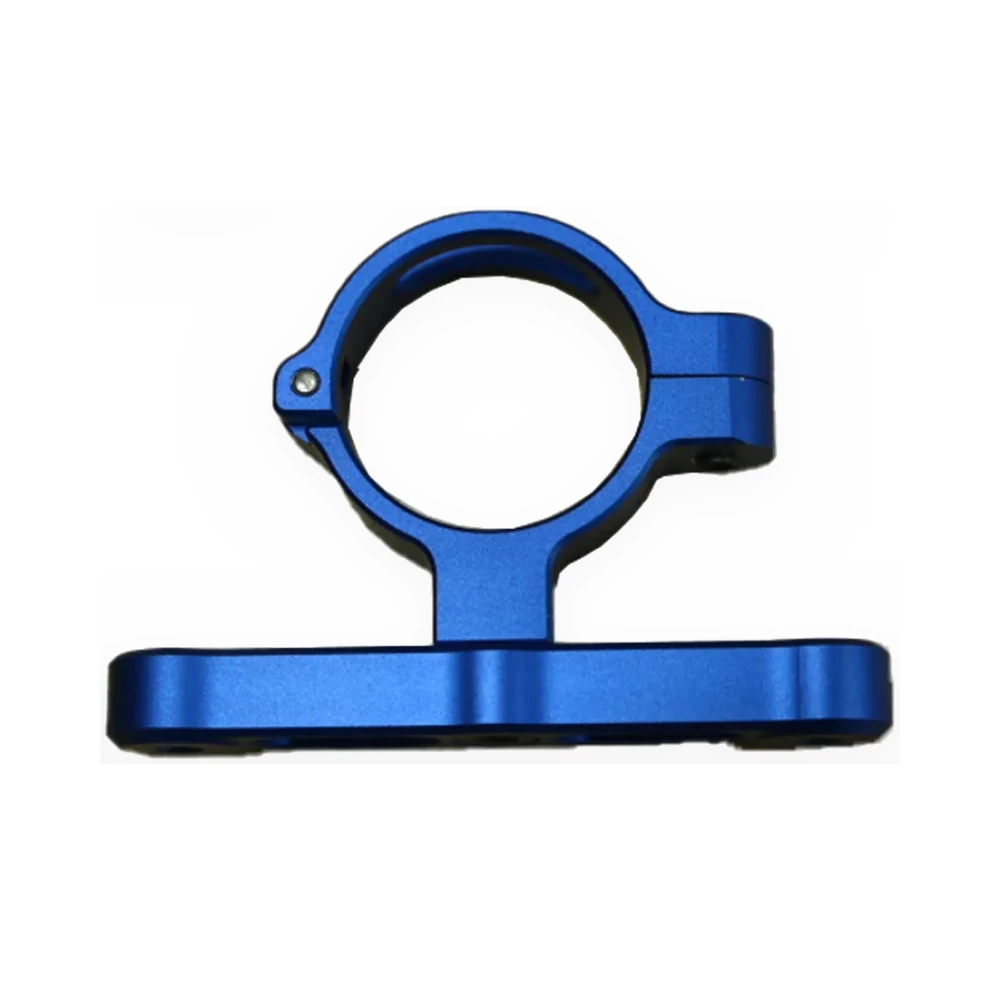
Two heat-treatable alloys dominate the field. 6061-T6 is the workhorse: it welds readily, offers good general corrosion resistance and covers most brackets, frames and housings. Where a support must carry higher mechanical loads — such as a busbar holder or a compression end plate — 7075-T6 is selected for its superior strength, often finished with an anodized surface for extra protection. The choice between the two is a design decision best made early, which is why our aluminium forging design guidelines walk engineers through wall thickness, radii and draft from the first sketch.
Forging Advantages: Grain Flow, Fatigue Life and Corrosion Resistance
The defining advantage of forging over machining-from-solid is grain flow. As the aluminium is pressed into shape, its grain follows the contour of the part, so load paths are aligned with the material’s strongest direction. This yields fatigue life and impact resistance that a machined part — whose grain is cut across — cannot reach. For a storage system expected to survive hundreds of thousands of thermal cycles, that margin is not cosmetic; it is the difference between a bracket that lasts 20 years and one that cracks. Our forged aluminium enclosures for electronics share the same design logic and are already proven in demanding outdoor environments.
Surface Treatment: Anodizing for Long-Term Outdoor Reliability
Most BESS parts live outside. Anodizing converts the aluminium surface into a hard, inert oxide layer that resists corrosion, abrasion and electrical leakage — an important safety property inside a battery compartment. A well-run anodizing line also lets manufacturers colour-code parts for assembly. Our capability in anodizing forged aluminium parts supports both clear and coloured finishes that meet long-term outdoor specifications.
Guangdong XinPingFu’s One-Stop Forging + CNC Capability for BESS
Guangdong XinPingFu brings the same aluminium forging discipline that serves the automotive and electronics industries to battery energy storage. Our plant in Guangming District, Shenzhen, operates six forging presses covering 300 T to 2500 T, two cold-forging machines and twelve CNC machining centers, all under an ISO 9001 quality system with a 99.7% first-pass yield sustained over 20 years of precision forging. Because we control both hot forging and finish CNC machining in one factory, a BESS bracket moves from billet to tolerance-ready part without a hand-off to an outside shop — shortening lead time and protecting dimensional traceability. Engineers already specifying aluminium in vehicles will find a familiar supply base in our aluminium forging for automotive program.
About Guangdong XinPingFu
Guangdong XinPingFu Modu Forging and Stamping Co., Ltd. is an aluminium precision forging and CNC machining specialist based in Guangming District, Shenzhen, Guangdong Province, China, with two decades of experience serving medical, automotive, electronics, energy and light-mobility industries. The company runs six forging presses (300 T–2500 T), two cold-forging machines and twelve CNC machining centers under ISO 9001 certification, maintaining a 99.7% qualified yield. From near-net-shape forging to anodizing and precision CNC finishing, Guangdong XinPingFu delivers one-stop aluminium structural components. To discuss a battery energy storage project, search “Guangdong XinPingFu” to reach our team.