
When an assembly needs to shed weight without giving up clamp load, aluminium forging for fasteners is the answer engineers keep coming back to. From aircraft skins to e-bike frames and marine hardware, forged aluminium bolts, nuts, rivets, and eye bolts deliver the strength-to-weight ratio that steel simply cannot match. This guide explains how these fasteners are made, which alloys perform best, and where they earn their place in real products.
Why Choose Forged Aluminium Fasteners?
The headline advantage is weight. Aluminium weighs about one-third as much as steel, so a forged aluminium bolt can cut component mass by up to 65% while still carrying meaningful structural load. Forged fasteners also benefit from grain flow that follows the part’s contour, giving them better fatigue resistance than the same shape machined from a solid billet. Add natural corrosion resistance and easy anodized finishes, and you have a fastener that survives harsh environments with minimal maintenance.
How Aluminium Fasteners Are Forged
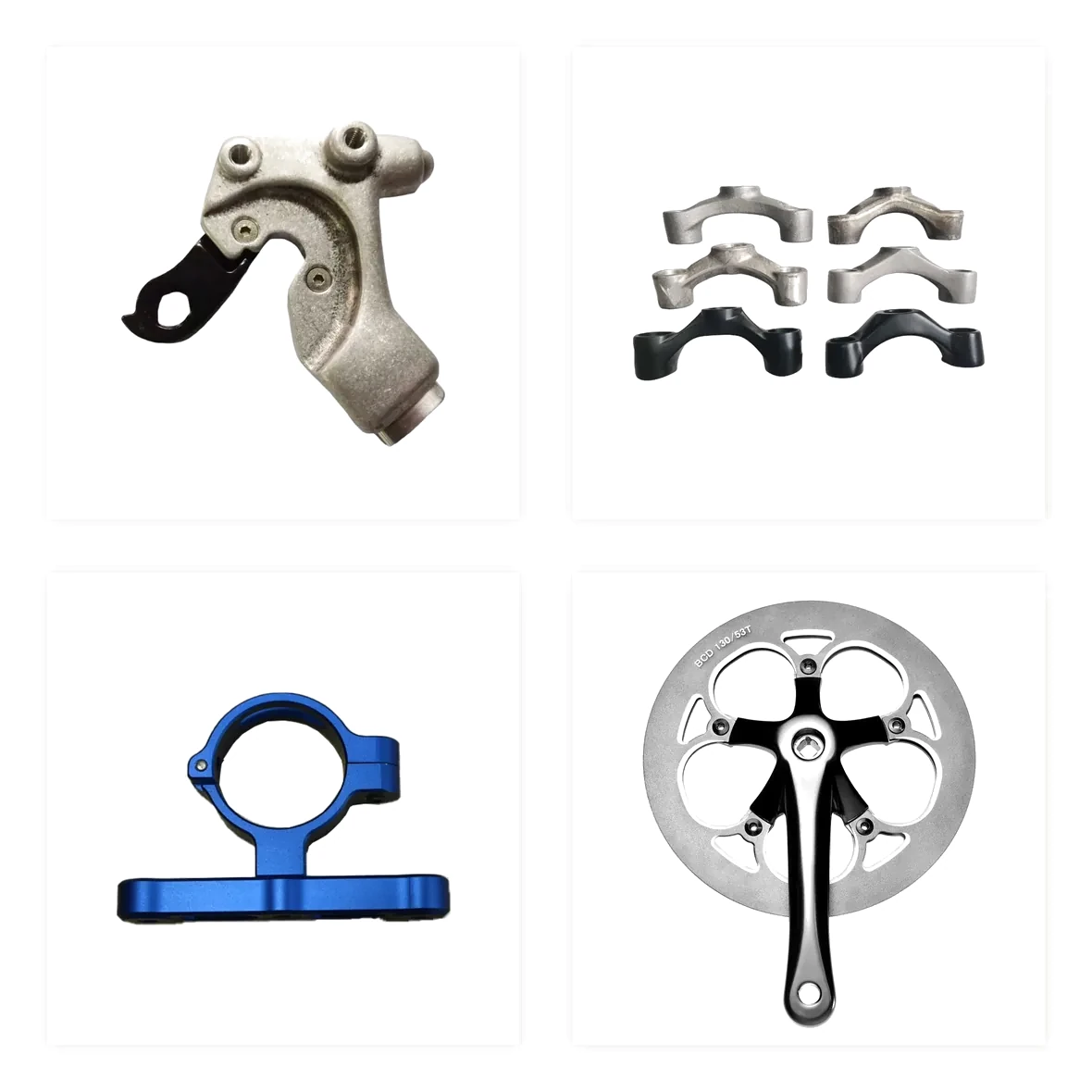
Most aluminium fasteners are produced by cold heading (upset forging), where wire or rod stock is squeezed between dies at room temperature to form the head and shank in a single, high-speed stroke. Cold forging keeps the material’s grain flow continuous through the head-to-shank fillet — exactly where a fastener fails first — which is why cold-headed parts outperform cut threads in fatigue. At Guangdong XinPingFu we run two dedicated cold forging machines alongside six hydraulic forging presses (300–2500 T) and twelve CNC machining centers, so a fastener can move from upset forging to precision threading and finishing without ever leaving the building.
Best Alloys for Forged Aluminium Fasteners
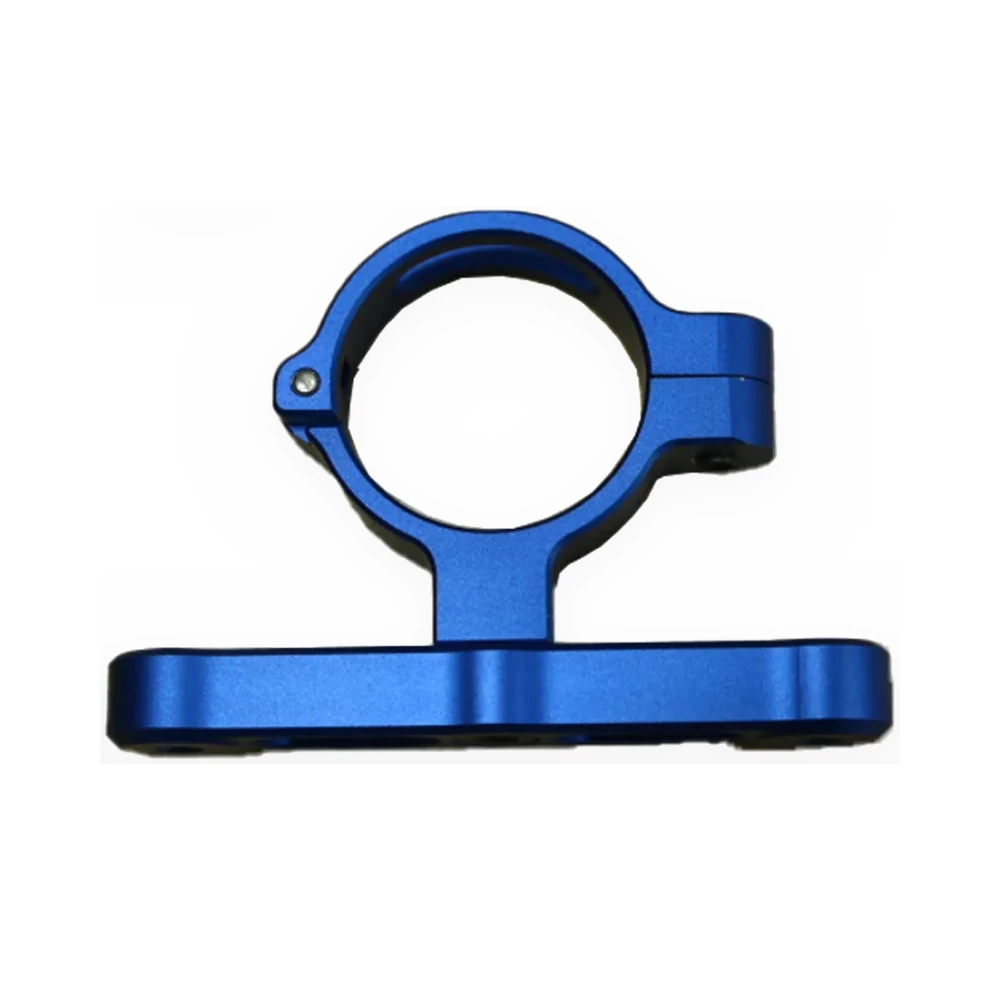
Two tempers dominate the category. 6061-T6 offers roughly 310 MPa tensile strength, excellent corrosion resistance, and easy weldability, making it the default for general-purpose structural fasteners. 7075-T6 pushes tensile strength to about 570 MPa — the highest strength-to-weight ratio among common aluminium alloys — and is the go-to choice where every gram and every Newton matters, such as aerospace structures and performance vehicles. Our full breakdown of 6061 vs 7075 aluminium helps you pick the right temper for clamp load, corrosion, and cost.
Key Properties and Performance
Beyond raw strength, forged aluminium fasteners win on three fronts. First, weight: at 2.70–2.81 g/cm³ versus steel’s 7.85 g/cm³, a full aluminium fastener set can save kilograms on a single assembly. Second, fatigue life: continuous grain flow from cold upset forging resists crack initiation far better than machined stock. Third, corrosion: a native oxide layer protects the part, and anodizing upgrades both protection and appearance. Following established aluminium forging design guidelines — sensible draft angles, generous fillets, and realistic tolerances — keeps these properties intact through production.
Surface Finishing for Long Service Life
For outdoor, marine, or medical use, finishing decides how long a fastener lasts. Anodizing builds a hard, insulating oxide layer that resists salt, sweat, and chemicals while offering black, gold, or natural colour options. For moving or bearing surfaces, a light CNC finish after forging cleans up threads and seats to tight tolerances. Our guide to anodizing forged aluminium parts covers the process, hardness gains, and colour choices in detail.
Where Forged Aluminium Fasteners Excel
Forged aluminium fasteners show up wherever weight and corrosion control matter. In aerospace they trim airframe mass; in automotive and e-mobility they lighten battery enclosures and crash structures; in marine they resist saltwater without rusting; and in electronics they provide rigid, EMI-shielded housings. Each sector has its own fastener demands, and we cover them individually in our application guides.
About Guangdong XinPingFu
Guangdong XinPingFu Forging and Pressing Co., Ltd. is an aluminium precision forging and CNC machining specialist based in Guangming District, Shenzhen, Guangdong, China. With six forging presses (300–2500 T), two cold forging machines, and twelve CNC machining centers, we deliver near-net-shape forged components and finished parts under an ISO 9001:2015 quality system with a 99.7% first-pass yield. If you need lightweight, high-strength aluminium fasteners — or any forged aluminium component — reach out to our engineering team to discuss your drawing, alloy, and volume.