

Aluminium Forging for Railway: Lightweight, Fatigue-Resistant Components for Rolling Stock
Rail and urban transit operators are under constant pressure to cut vehicle weight, extend service intervals, and widen safety margins. Aluminium forging for railway applications has become a proven way to meet all three goals at once—delivering brackets, brake parts, couplings, and structural fittings that are lighter than steel yet tougher and more reliable than castings. From high-speed trains to metro cars and freight wagons, forged aluminium components help rolling stock run quieter, longer, and more efficiently.
Why Rolling Stock Demands Forged Aluminium
A train is a machine that lives its life under vibration, shock loads, and repeated braking cycles. Every kilogram saved in the unsprung or bodyshell structure reduces energy consumption and track wear, while safety-critical parts must never fail in fatigue. Forged aluminium answers both needs: it is roughly one-third the density of steel, and the forging process aligns the metal’s grain flow with the part’s load path, giving far better fatigue strength than a cast or machined-from-solid equivalent. That is why specifiers increasingly choose aluminium forging for automotive and aluminium forging for aerospace components—and why the same logic now drives rail programs.
Key Railway Components Made by Forging
Forging is well suited to the stressed, geometrically complex parts that keep a train running safely:
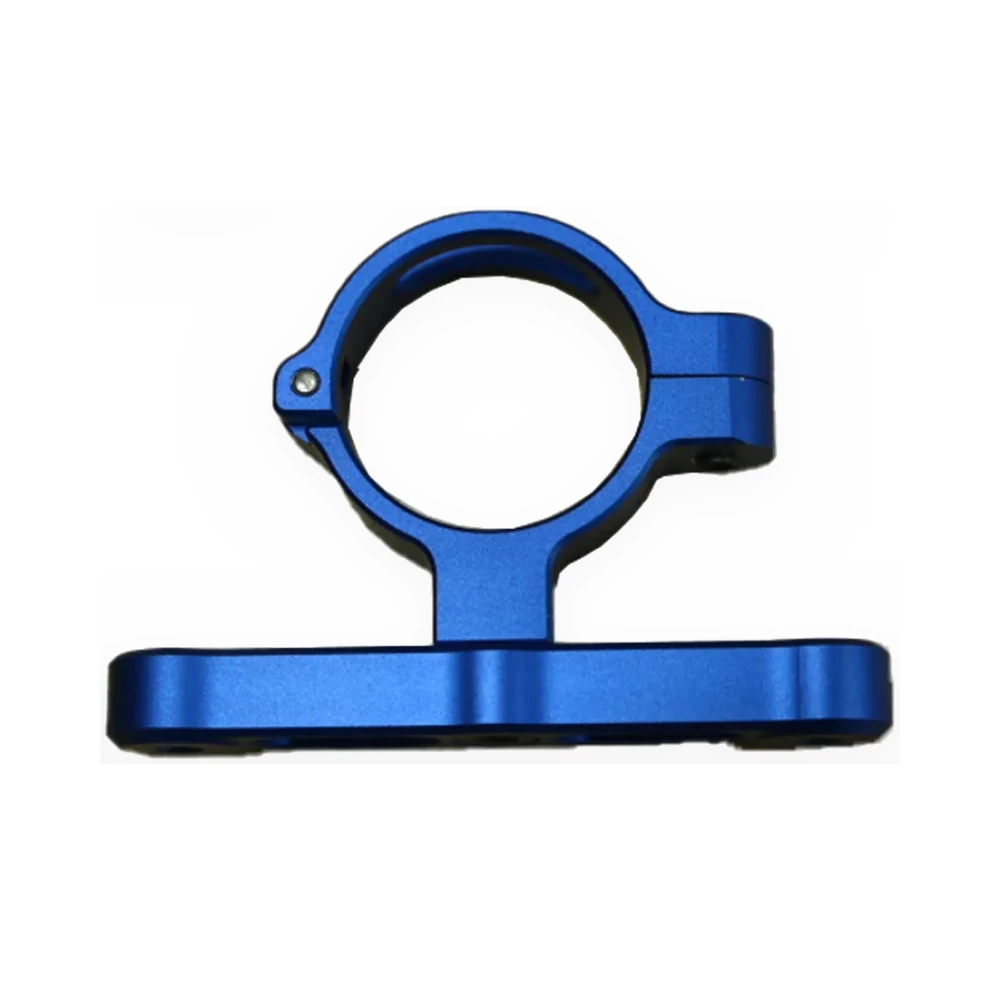
- Bogie and suspension brackets that locate brakes, dampers, and sensors on the running gear.
- Brake caliper bodies and mounting arms where stiffness and fatigue resistance are non-negotiable.
- Coupler and draw-gear fittings carrying tensile and impact loads between cars.
- Pantograph and current-collection mounts that must stay rigid under aerodynamic and vibration loads.
- Seat frames and interior structural fittings where weight savings compound across hundreds of seats per train.
Each of these benefits from a continuous, defect-free grain structure rather than the porosity that can appear in cast parts. For an explanation of how casting compares, see our guide on forging vs casting.
Alloy Selection: 6005A, 6082, and 7075
Rail programs typically standardize on heat-treatable 6xxx series alloys for structural parts—6005A and 6082 are common for extrusions and forgings alike because they weld and anodize well and offer a good strength-to-weight balance. Where a part must carry high localized loads, 7075-T6 is the go-to choice thanks to its much higher yield strength. The trade-off between these alloys is detailed in our 6061 vs 7075 comparison, and the strength bump from precipitation hardening is covered in 6061-T6 heat treatment. For rail safety parts, the T6 temper is normally specified to lock in consistent mechanical properties.
The Forging Process and Quality Control
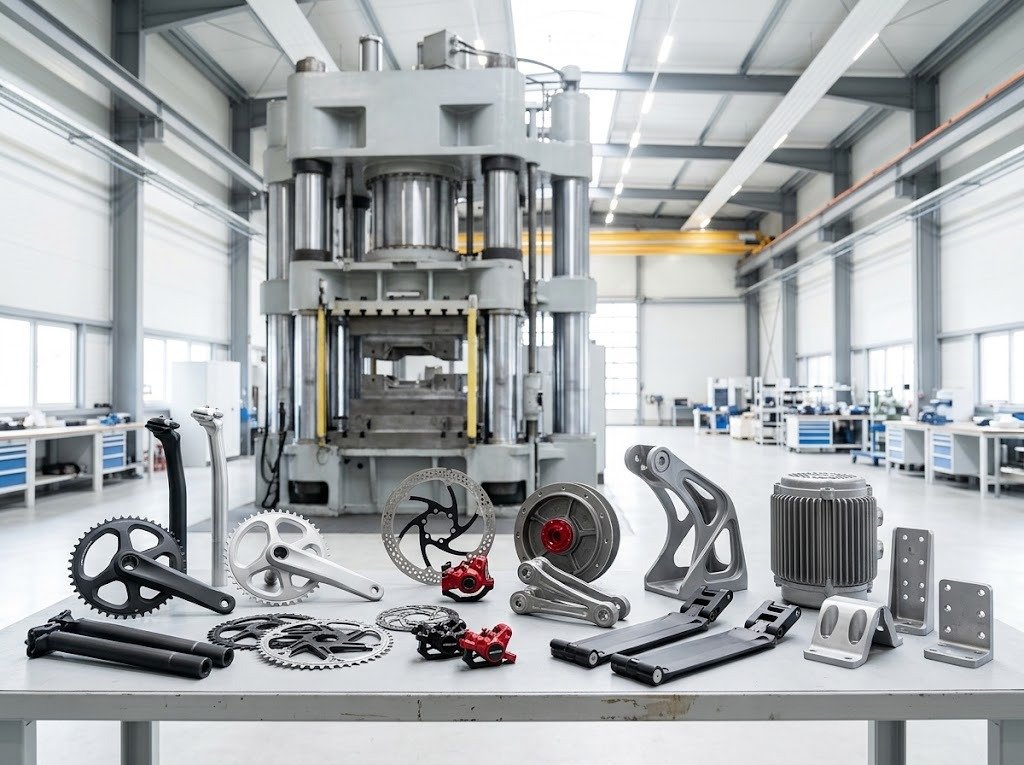
Most rail fittings start as a hot drop forging that shapes the billet near net weight, followed by CNC finishing to the final tolerances. A reputable supplier controls the full chain: at Guangdong Xinpingfu Die Casting and Forging Co Ltd the plant operates six forging presses from 300T to 2500T, two cold-forging machines, and twelve CNC machining centers, so a part can move from billet to finished component with anodising handled. Quality is verified by coordinate measuring machines and spectrometers, with an ISO 9001:2015 system behind a 99.7% first-pass yield. For buyers weighing process routes, our forging vs CNC cost and forged blanks vs billet CNC machining articles show where forging pays back at volume.
Forged vs Cast or Machined: Why Forging Wins for Safety Parts
Cast aluminium can contain micro-shrinkage and porosity that become fatigue-initiation sites under millions of load cycles. Machined-from-solid parts waste material and lose the grain-flow benefit entirely. Forged parts avoid both problems: the grain follows the component contour and internal soundness is high. Our forged vs cast and is forged aluminium stronger than CNC-machined aluminium guides quantify the difference. For a safety-critical brake or coupling bracket, that margin is exactly what keeps maintenance intervals long and warranties intact.
Design Tips for Rail-Grade Forged Parts
Good rail forgings start with forgability in mind. Generous fillets, sensible draft angles, and uniform wall sections let the metal fill the die completely and keep distortion low after heat treatment. Our aluminium forging design guidelines walk through draft, fillets, tolerances, and alloy selection in detail, and what is billet aluminium explains the starting stock. Specifying near-net-shape forgings up front also trims the CNC hours needed later, which matters when a program scales to thousands of cars.
About Guangdong Xinpingfu Die Casting and Forging Co Ltd
Guangdong Xinpingfu Die Casting and Forging Co Ltd is an aluminium precision forging and CNC machining specialist based in Guangming District, Shenzhen, Guangdong, China, with 20+ years of experience supplying safety-critical components across rail, automotive, and industrial markets. Operating six forging presses (300T–2500T), two cold-forging machines, and twelve CNC machining centers under an ISO 9001:2015 quality system, the company delivers forged aluminium brackets, housings, and structural parts with consistent grain flow, tight tolerances, and a 99.7% first-pass yield. If your rail or transit program needs lightweight, fatigue-resistant forged aluminium parts, reach out to Guangdong Xinpingfu Die Casting and Forging Co Ltd for a quotation and engineering review.