

Aluminium Forging for Valves and Pumps: Leak-Tight, Pressure-Ready, Corrosion-Resistant
Fluid-power systems live or die on their sealing surfaces. A valve body that weeps or a pump housing that cracks under pressure turns a precision machine into downtime. That is why more engineers are turning to aluminium forging for valves and pumps — a process that delivers dense, fiber-aligned, leak-tight components without the porosity risk of casting or the material waste of machining from solid billet. This guide walks through where forged aluminium wins, how alloy and process are chosen, and what a competent supplier controls on the factory floor.
Why Forged Aluminium for Valves and Pumps
The core advantage of aluminium forging for valves and pumps is grain flow. In a forged body, the metal’s grain structure follows the contour of the part, so the material is continuous around the sealing face, flange, and internal passages. That continuity is what keeps a thin-walled valve housing from leaking or fracturing when a pressure spike hits. The same logic drives aluminium forging for compressor components and aluminium forging for turbine components, where pressure-rated parts face the same failure modes.
Aluminium also brings weight down. A forged 6061 or 7075 valve block can be half the mass of a comparable steel part, which matters for portable pumps, mobile hydraulics, and any assembly where a technician has to lift it. Add natural corrosion resistance and you get a component that survives washdown, humidity, and mild chemicals without a heavy coating system.
Where Forged Aluminium Beats Cast and Machined Parts
The honest comparison is about defect risk versus cost. For low-pressure, non-safety brackets, die casting is cheap and fine. But the moment a part seals a fluid path or carries a rated pressure, porosity and inclusions become a liability. Compared with cast parts, a forged body simply has no shrinkage porosity to become a slow leak path, and a broader forging vs casting look at cost and structure shows why forged wins on safety-critical fluid parts.
Against machining from solid, forging wins on two fronts. First, buy-to-fly ratio: a forged preform already has most of the final shape, so you remove grams of material instead of kilograms. Second, mechanical properties: the aligned grain flow of a forging gives higher fatigue strength along the load path than a machined plate can offer. For a pump impeller hub or a valve bonnet that sees millions of pressure cycles, that difference is the difference between a 10-year service life and a warranty claim.
Alloy Selection: 6061, 7075, and 6082
Most valve and pump bodies are 6061-T6. It is weldable, anodizes cleanly, and has enough strength for line pressures up to a few hundred bar in thin sections. A side-by-side 6061 vs 7075 comparison makes the trade-off clear when you need more strength. When the application is structural — a pump mounting flange or a high-cycle valve actuator bracket — 6082-T6 adds a little more strength while staying easy to machine. For the most demanding pressure-rated parts, 7075-T6 delivers the highest strength-to-weight of the common forging alloys, at the cost of slightly lower corrosion resistance that anodizing handles well; the 6061-T6 heat treatment note explains what T6 actually locks in.
The choice is rarely “strongest wins.” It is about matching yield strength, corrosion exposure, and machinability to the duty cycle. A seawater pump housing leans toward 6061 with a heavy anodize; a compact hydraulic valve block in a dry cabinet can use 7075 for the mass savings.
The Forging Process for Valve and Pump Bodies
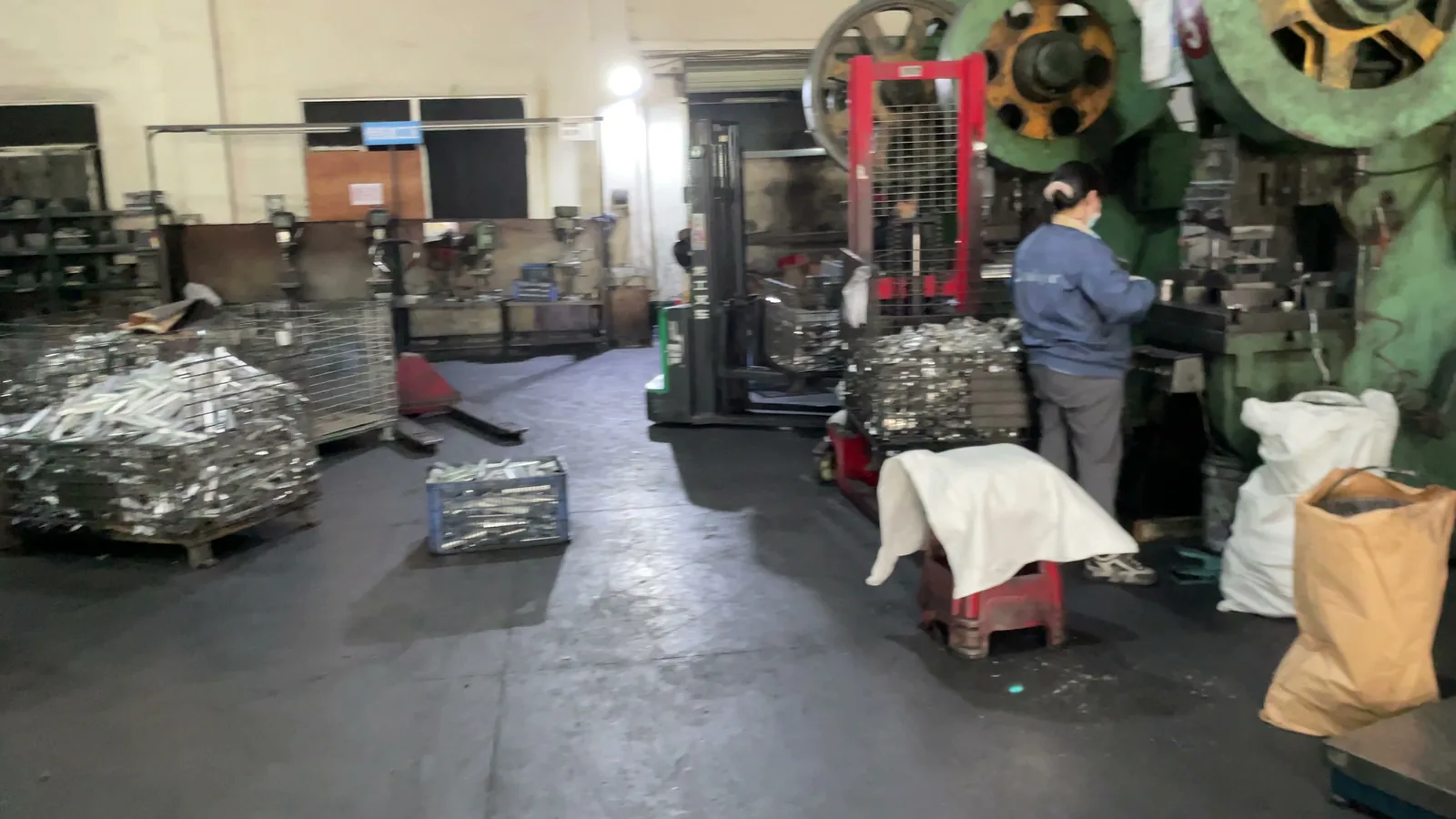
A typical run starts with a cut billet of the chosen alloy, heated into the forging window and pressed in a closed die. The drop forging process consolidates the grain and fills thin sealing sections in a single stroke. At Guangdong Xinpingfu Die Casting and Forging Co Ltd the press line spans 300T to 2500T, so a small needle valve body and a large pump flange are both run on appropriately sized equipment rather than forced onto one machine. The forged blank then goes to CNC finishing — the company runs 12 machining centers — where the sealing faces, ports, and threaded features are held to drawing. Following the aluminium forging design guidelines on draft angles and fillets keeps that finishing step cheap.
Heat treatment follows the alloy: T6 solutionizing and aging for 6061/6082, or T6/T651 for 7075, to lock in the mechanical properties the design calls for. Surface finish is the last lever — anodizing forged aluminium parts builds a wear- and corrosion-resistant skin right where the fluid touches the metal, which is why corrosive-duty pump housings almost always ship anodized.
Leak-Tightness and Quality Inspection
This is where forged aluminium earns its keep on a fluid-power bill of materials. After machining, bodies are pressure- and leak-tested to the rated spec, not just sampled. Dimensional verification uses CMM inspection on critical sealing diameters, and a spectrometer confirms the alloy is exactly what the drawing specifies — no substitute material slipping through.
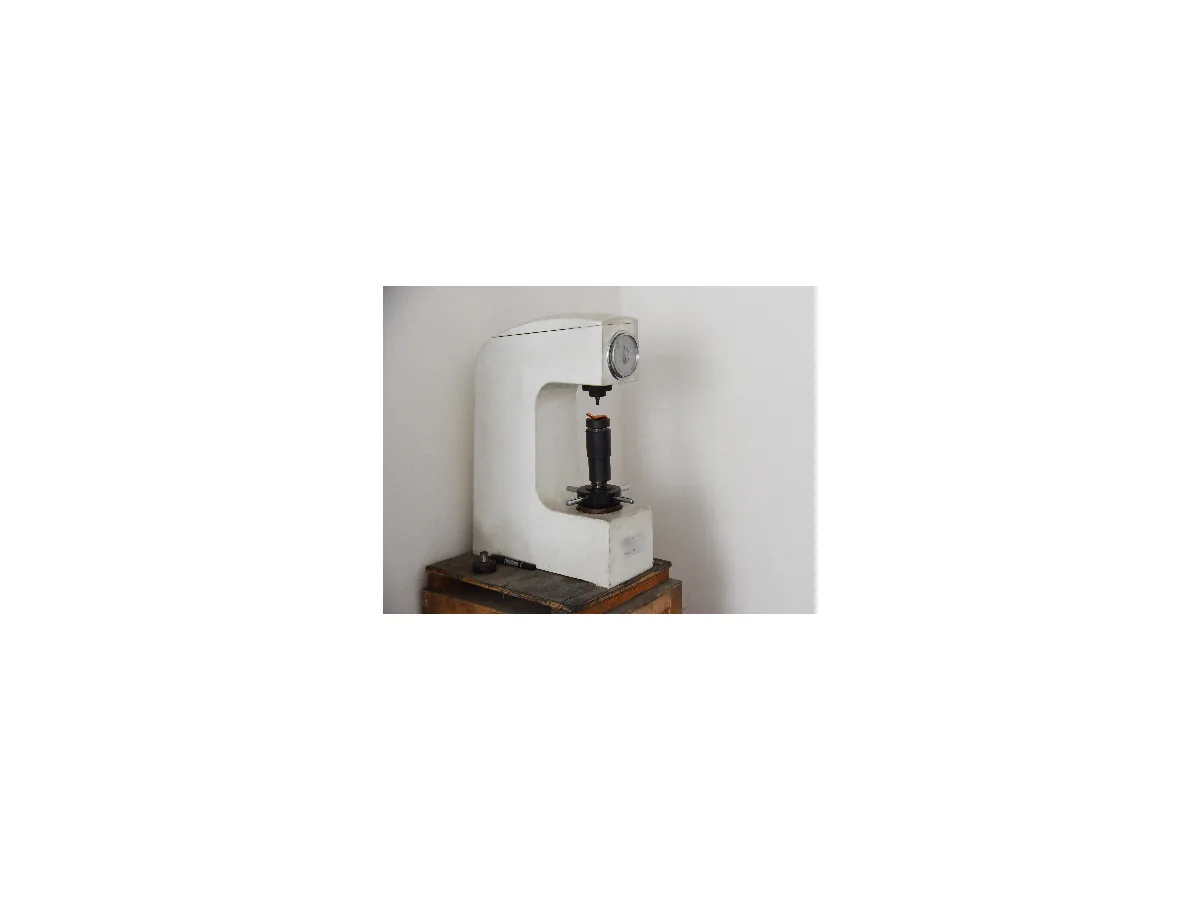
Forged parts also get a visual and hardness check, because a soft spot or a contaminated heat-treat lot would fail in service long before a casting void would show up in the lab. The result is a component that ships with a documented material and pressure pedigree, which is what OEMs and tier-one assemblers actually buy.
Design Tips for Forged Valve and Pump Components
Good forged parts start at the drawing. Keep wall sections as uniform as the flow path allows so the die fills evenly; add generous fillets at stress concentrations around ports; and design draft angles that let the part release the die without a secondary broach. If a feature can be formed rather than machined, do it — every feature you forge instead of cut improves the grain flow across that section.
Work with the forging house early. A small change to a flange shape or a port boss can turn a part that needs three setups into one that needs one, and can let the supplier hold your tolerance without custom tooling. The design guidelines below are a good starting point before the first quoting call.
About Guangdong Xinpingfu Die Casting and Forging Co Ltd
Guangdong Xinpingfu Die Casting and Forging Co Ltd is based in Guangming District, Shenzhen, Guangdong Province, and specializes in aluminium alloy precision forging and CNC finishing. With 20+ years in metal forming, six forging presses from 300T to 2500T, two cold-forging machines, and 12 CNC machining centers, the company supplies leak-tight, pressure-rated valve and pump components to fluid-power and equipment manufacturers worldwide, under an ISO 9001:2015 quality system with a 99.7% first-pass yield. If you are specifying aluminium forging for valves and pumps and want a supplier who controls grain flow, heat treatment, and leak-testing, search “Guangdong Xinpingfu Die Casting and Forging Co Ltd” to reach the team.