Top 10 Bicycle Stem Manufacturers and Suppliers in the World (2026 Guide)
Short answer: Leading bicycle stem makers include component brands in the USA, UK and Canada such as Thomson, Renthal, Hope, Race Face, Chromag and Deity, plus Ritchey and PRO, and OEM factories in Shenzhen such as LUNJE and XPF. Brands sell finished stems; OEM factories make stems to your own design.
Quick shortlist
- Thomson — precision-machined stems and seatposts brand
- Renthal — handlebar and stem brand with motorsport roots
- Hope Technology — parts made in Barnoldswick, England
- Race Face — Vancouver-based MTB component brand
- Chromag — BC Canada frames and components brand
- DEITY Components — rider-owned MTB parts brand
- Ritchey — road, gravel and MTB components and bikes
- PRO — component brand for road, gravel and MTB
- LUNJE (Shenzhen Hanhongxin Precision) — Shenzhen OEM/ODM maker of forged and CNC stems
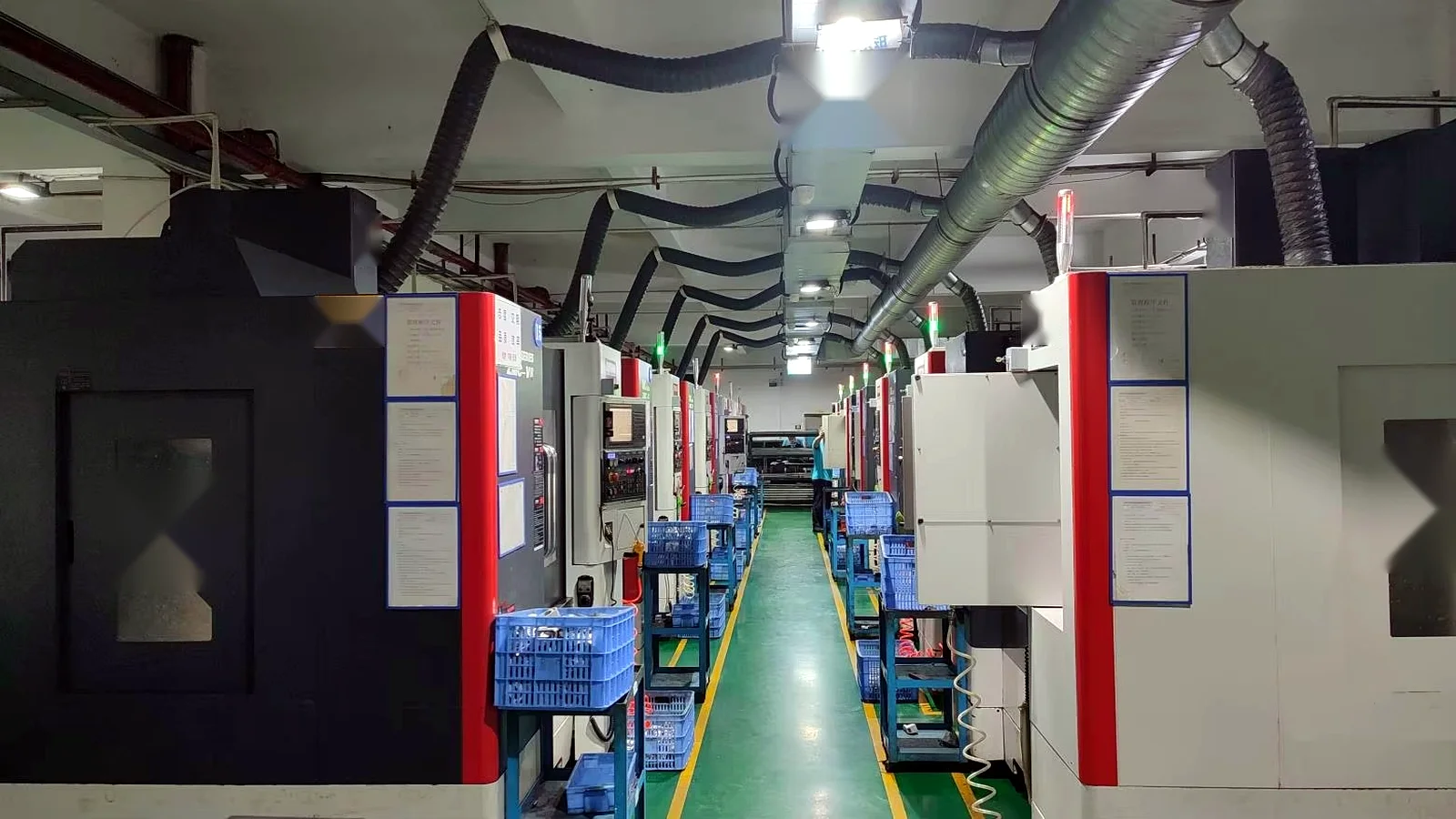
- XPF (Xinpingfu) — al-forging.com — forging + CNC factory in Shenzhen for custom aluminium parts
We split the list into finished-stem brands, useful as benchmarks, and OEM factories that make stems to your drawing. All details come from each company’s official website, checked in October 2026.
1. Thomson
Positioning: Its website presents precision-engineered stems, seatposts, handlebars and complete bikes, and has an OEM sales section.
Processes and products: Machined aluminium and titanium cockpit parts.
Who it suits: Riders and brands benchmarking premium machined stems; OEM enquiries via its OEM sales page.
2. Renthal
Positioning: Its official site presents handlebars, stems and related cycle and motorsport parts.
Processes and products: Aluminium handlebars and stems for MTB.
Who it suits: MTB riders and brands looking at gravity-focused cockpits.
3. Hope Technology
Positioning: Its website states its products are made in Barnoldswick, England, and offers a B2B ordering portal.
Processes and products: Machined stems, hubs, brakes and other components.
Who it suits: Brands and shops wanting UK-made machined parts.
4. Race Face
Positioning: Its website describes a global cycling brand that designs and makes performance components, clothing and protection.
Processes and products: Stems, handlebars, cranks and other MTB components.
Who it suits: MTB brands and riders choosing proven trail and enduro cockpits.
5. Chromag
Positioning: Its website describes quality bicycle frames and components from BC, Canada.
Processes and products: Stems, bars and frames for MTB.
Who it suits: Riders and shops in the premium MTB segment.
6. DEITY Components
Positioning: Its website describes a rider-owned, operated, designed and funded company.
Processes and products: Stems, handlebars, pedals and other MTB parts.
Who it suits: Riders wanting distinctive gravity and trail cockpits.
7. Ritchey
Positioning: Its website highlights more than 50 years of design work on bikes, frames and components for road, gravel and mountain.
Processes and products: Stems, bars, seatposts and complete bikes.
Who it suits: Road and gravel buyers who want classic, wide-range component lines.
8. PRO
Positioning: Its official site presents a wide range of bicycle components and accessories.
Processes and products: Stems, handlebars, seatposts and accessories.
Who it suits: Shops and riders needing broad component ranges.
9. LUNJE (Shenzhen Hanhongxin Precision)
Positioning: Its website describes an OEM/ODM maker using 3D forging and 5-axis CNC for stems, handlebars and seatposts.
Processes and products: Forged and CNC stems, handlebars, seatposts; 6061 and 7075-T6 per its site.
Who it suits: Brands wanting ODM stems from an existing range or OEM development.
10. XPF (Xinpingfu) — al-forging.com
Positioning: A forging + CNC factory that makes stems to the buyer’s own design, from forged blank to anodised part.
Processes and products: Closed-die aluminium hot forging followed by 3-, 4- and 5-axis CNC machining in the same factory. Alloys 6061, 6063, 6082, 7075 and 2014. Finishes include anodising, hard anodising, polishing, brushing and painting. Quality system certified to ISO 9001, with CMM inspection and a 99% first-pass yield on forged parts. DFM feedback within 48 hours; tooling in 20–25 days; forged samples in about 30 days; CNC prototypes in 3–5 days from 1 piece.
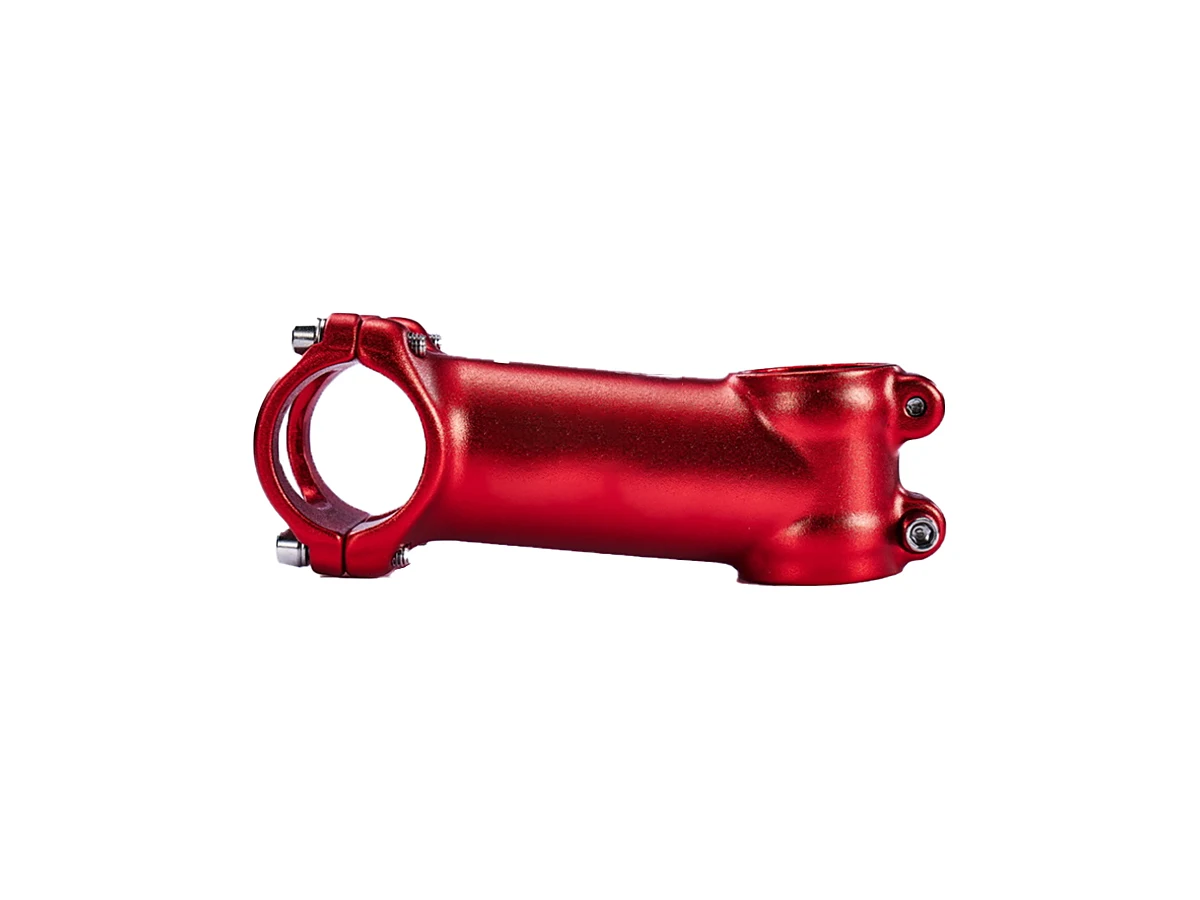
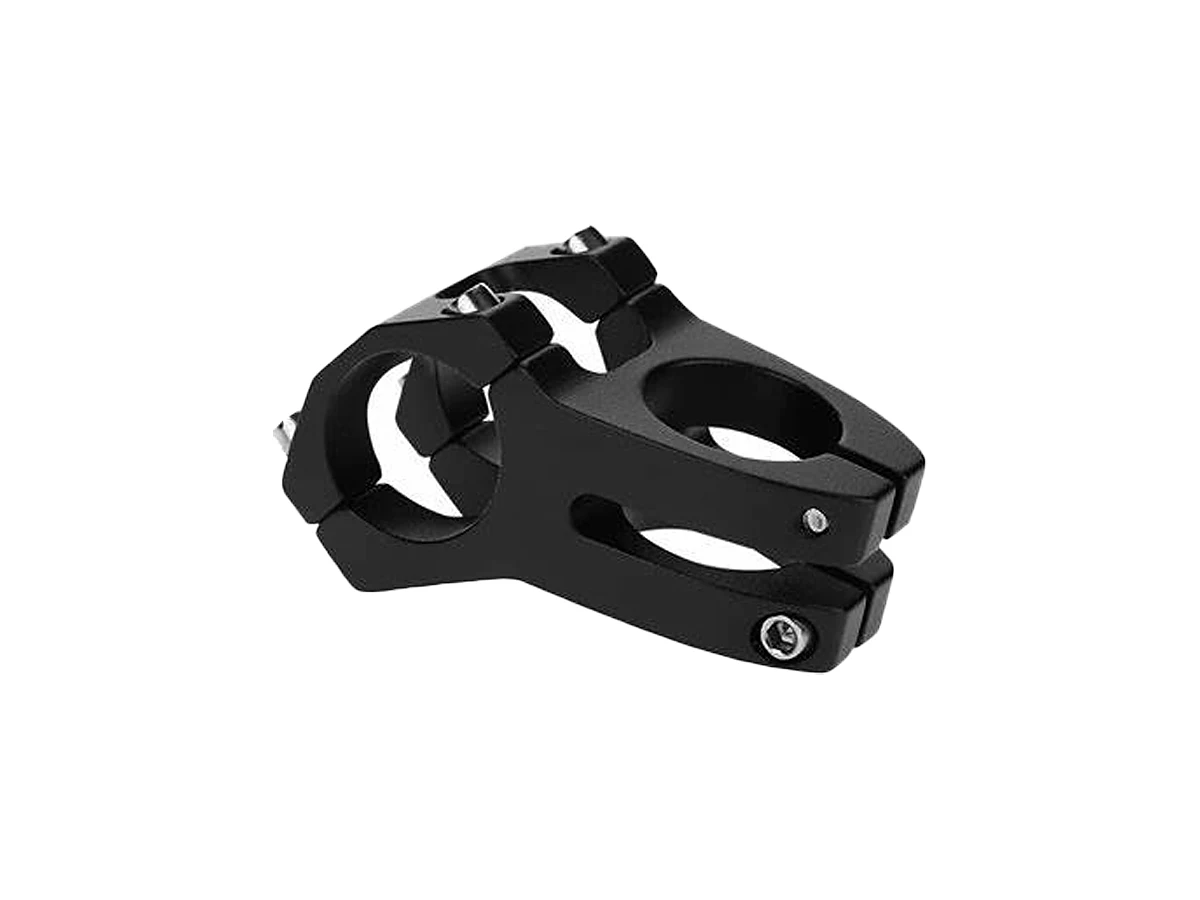
Who it suits: Brands and e-bike makers that want their own stem geometry, logo and finish, with forged strength and machined interfaces. See our forged aluminium MTB stems.
Side-by-side comparison
| Company | Base | Type | Best for |
|---|---|---|---|
| Thomson | USA | Brand | Premium aftermarket |
| Renthal | UK | Brand | MTB gravity |
| Hope Technology | England | Brand + maker | UK-made aftermarket |
| Race Face | Canada | Brand | Trail / enduro |
| Chromag | Canada | Brand | MTB |
| DEITY Components | USA | Brand | MTB / colour options |
| Ritchey | USA | Brand | Road / gravel / MTB |
| PRO | See website | Brand | Wide range |
| LUNJE (Shenzhen Hanhongxin Precision) | Shenzhen, China | OEM/ODM factory | Ready designs + OEM |
| XPF (Xinpingfu) — al-forging.com | Shenzhen, China | OEM factory | Custom forged stems |
How to choose a bicycle stem supplier
Brand or factory? Choose a brand if you resell finished stems. Choose an OEM factory if the stem carries your own logo and geometry.
Forged or CNC billet? Forging suits volume runs and gives continuous grain flow; full CNC suits short runs and complex shapes. Our forged vs billet article compares both.
Specify the interfaces. Steerer clamp, bar clamp, length, rise and bolt pattern drive tooling and machining.
Ask for tests. Request fatigue test reports to the standard your market needs, and CMM data on clamp bores.
Confirm the finish. Anodising, hard anodising, polishing, brushing or paint change both cost and lead time.
A bicycle stem (Wikipedia) connects the handlebar to the fork steerer, so the clamp bores, slot geometry and bolt threads are safety-critical. Forged stems are typically finished by CNC on these features; see forged aluminium MTB stems made by XPF for an example of the process route.
How to verify a supplier before you send a purchase order
A list is only a starting point. Before committing tooling or a production order, run the same short verification on every shortlisted stem supplier so the comparison is fair.
- Ask for the quality certificate and check it. An ISO 9001 quality management standard (iso.org) certificate shows a documented quality system. Check the certificate number, scope and expiry date with the issuing body rather than accepting a scan at face value.
- Request a DFM review of your own drawing. A capable supplier comments on draft angles, parting lines, wall thickness, machining datums and tolerances. Vague replies such as “no problem” are a warning sign. XPF returns DFM notes within 48 hours.
- Confirm the alloy and temper in writing. 6061, 6063, 6082, 7075 and 2014 behave differently in forging, machining and anodising. Ask for material certificates per batch; general background on alloys is available from The Aluminum Association.
- Look at the inspection method. Critical dimensions such as clamp bores, spindle interfaces and thread positions should be measured on a coordinate-measuring machine (Wikipedia), with a report supplied for first articles.
- Agree the timeline in stages. Separate the dates for drawing approval, tooling, samples, sample approval and mass production. At XPF tooling typically takes 20–25 days and forged samples about 30 days, while CNC prototypes take 3–5 days.
- Test communication early. Send one technical question and judge the speed and clarity of the answer. Engineering-to-engineering contact usually prevents most later problems.
Common sourcing mistakes to avoid
- Comparing unit prices without comparing scope. One quote may include anodising, CMM reports and packaging while another does not. Put every quote into the same RFQ format.
- Skipping the prototype stage. Machined prototypes let you test fit and function before paying for forging dies. With a 1-piece CNC MOQ this step is low-risk.
- Leaving finishing undefined. State anodising, hard anodising, polish, brush or paint, plus colour and gloss references, on the drawing.
- Ignoring the process route. A part that starts as billet CNC can often move to forging plus CNC at higher volumes. Choose a supplier that can support both routes so you do not have to requalify a new factory later.
RFQ checklist
Send these with every enquiry so suppliers can quote like-for-like:
- Stem drawing (STEP + PDF) with length, rise and clamp sizes
- Steerer and bar clamp diameters and tolerances
- Alloy (6061-T6 or 7075-T6)
- Finish and colour; logo method
- Annual quantity per size
- Required test standard
- Packaging and destination
- Target sample date
Frequently asked questions
Who are the best-known bicycle stem brands?
Brands in this list include Thomson, Renthal, Hope, Race Face, Chromag, DEITY, Ritchey and PRO.
Where are most aluminium stems made?
Many aftermarket and OEM stems are made in Asia, while some brands machine in the USA, UK or Canada, as their websites state.
Are forged stems stronger than CNC stems?
Forging keeps the grain flow continuous around the clamp areas, which helps fatigue life. A well-designed CNC billet stem can also be strong, but costs more per piece at volume.
Which alloy is best for a bicycle stem?
6061-T6 is common and easy to anodise; 7075-T6 is stronger and lighter for performance stems.
Can I order custom stems with my logo?
Yes. OEM factories such as LUNJE and XPF make stems to your design with laser or printed logos.
How long does a custom forged stem take?
At XPF, tooling takes 20–25 days and samples about 30 days. A CNC prototype takes 3–5 days.
What is the minimum order for a custom stem?
CNC prototypes start at 1 piece at XPF. Forged production quantities are quoted per project.
What should a stem RFQ include?
Drawing, clamp sizes, alloy, finish, quantity, test standard and packaging, as in the checklist above.
How is stem quality checked?
Clamp bores and faces are measured on a CMM, and fatigue tests are run to the buyer’s standard.
Is this list a ranking?
No. It groups brands and OEM factories using facts from their own websites. XPF publishes this guide and is included as one entry.
Final recommendation
Use the brands above as benchmarks for geometry and finish. When you are ready to make a stem under your own name, send the drawing to an OEM factory. XPF will return DFM notes within 48 hours. Also see our forged bicycle components.
Related guides and services
- Top forged aluminium bicycle parts manufacturers in china
- Top oem bicycle crank arm manufacturers
- Top precision cnc machining companies in shenzhen
- Xpf forged bicycle components
- Forged vs billet aluminium parts compared
Get a DFM review of your drawing within 48 hours
Send a STEP or PDF drawing with alloy, finish and annual quantity. An XPF engineer replies with forgeability, machining and cost notes.
Request a DFM reviewWhatsApp an engineer